


Powering Progress: The Rise of the Solar Company in Zimbabwe and the Future of Energy Independence
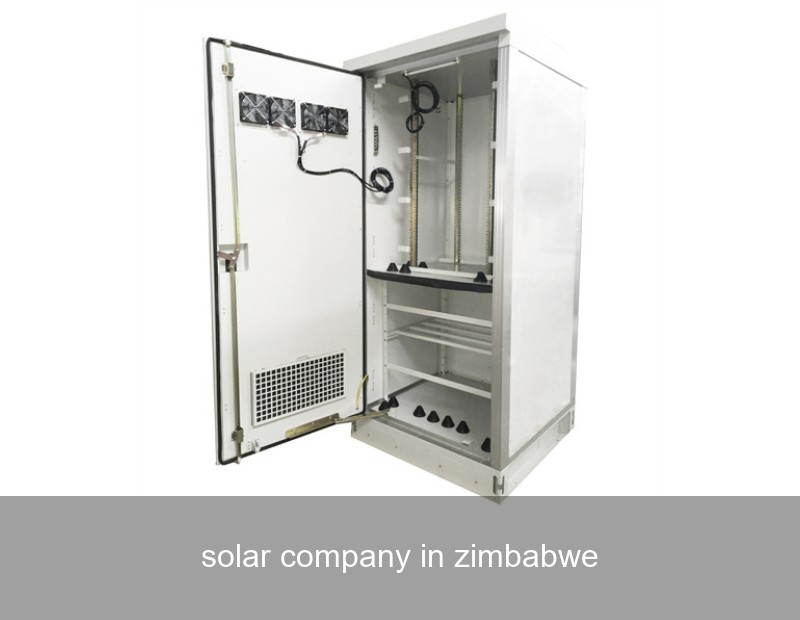
Imagine a nation blessed with abundant sunshine, averaging over 3,000 hours of radiant light per year, yet facing persistent challenges with grid reliability and energy access. This is the reality—and the profound opportunity—for Zimbabwe. Today, a new wave of solar companies in Zimbabwe is not just selling panels; they are engineering a sustainable energy revolution. For homeowners, businesses, and entire communities, the shift to solar is no longer just an eco-conscious choice; it's a strategic imperative for economic stability and growth. But the true potential of this solar surge hinges on one critical, often overlooked component: intelligent, robust energy storage. This is where the expertise of global technology providers like Highjoule becomes a game-changer, transforming simple solar installations into resilient, smart power systems.
Table of Contents
- The Solar Boom in Zimbabwe: A Response to Energy Challenges
- Beyond the Panel: Why Energy Storage is Non-Negotiable
- Case Study: A Harare Manufacturing Plant's Journey to 24/7 Power
- Choosing the Right System: Key Considerations for Zimbabwean Clients
- Highjoule's Role: Delivering Global Expertise for Local Impact
- Future Horizons: Microgrids and Community Power
The Solar Boom in Zimbabwe: A Response to Energy Challenges
The phenomenon is visible across rooftops in Harare, Bulawayo, and beyond. The driver? A compelling mix of necessity and aspiration. Zimbabwe's national grid has faced well-documented strain, leading to load-shedding schedules that disrupt daily life and cripple business productivity. According to the World Bank, limited generation capacity and aging infrastructure remain significant hurdles to universal, reliable electricity access in the region.
Concurrently, the global cost of photovoltaic (PV) modules has plummeted over the past decade, making solar technology more accessible than ever. This creates a perfect storm for growth. A local solar company in Zimbabwe is now a hub for solutions, offering everything from residential rooftop kits to large-scale commercial arrays. But simply installing panels addresses only half of the equation. The sun, of course, doesn't shine at night, and energy demand doesn't pause. This gap between solar production and consumption patterns is the central challenge that defines the next stage of Zimbabwe's energy evolution.

Image: Modern solar installations are becoming a common sight, but their true value is unlocked with storage. (Credit: Unsplash)
Beyond the Panel: Why Energy Storage is Non-Negotiable
Think of a solar PV system without a battery like a world-class water well without a storage tank. You can draw water only when you're actively pumping. An energy storage system (ESS) is that essential tank for your solar power. It captures excess energy generated during peak sun hours and stores it for use during the evening, during periods of high cloud cover, or during grid outages. For a business, this means uninterrupted operations. For a clinic, it means refrigerated medicines and functional life-saving equipment. For a family, it means lights, communication, and security.
The technical heart of a modern ESS is the Battery Management System (BMS) and the power conversion system (inverter). A superior BMS, like those engineered into Highjoule systems, does more than prevent overcharging. It intelligently manages cell health, balances loads, and optimizes cycle life, ensuring your investment lasts for years. The choice of battery chemistry is also pivotal. While lead-acid has been common, Lithium Iron Phosphate (LFP) chemistry is now the global standard for renewable energy storage due to its longer lifespan (often 6,000+ cycles), superior safety profile, and higher depth of discharge.
Case Study: A Harare Manufacturing Plant's Journey to 24/7 Power
Let's move from theory to a tangible, data-driven example. A medium-sized textile manufacturing plant in Harare was experiencing 6-8 hours of load-shedding daily. This disrupted production lines, led to missed order deadlines, and caused significant financial loss. They engaged a reputable local solar company in Zimbabwe for a solution.
The initial proposal was a 200 kWp solar array. However, our analysis as technical partners showed that without storage, the plant would still rely on expensive, polluting diesel generators for over 60% of its evening and early morning power needs. The integrated solution we designed included:
- Solar Array: 200 kWp high-efficiency monocrystalline panels.
- Energy Storage System: A containerized Highjoule H2-ESS solution with 500 kWh of LFP battery storage and a bi-directional inverter.
- Energy Management System (EMS): Highjoule's proprietary smart software to dynamically control energy flow between solar, battery, grid, and factory loads.
| Metric | Before Installation | After Installation |
|---|---|---|
| Grid/Diesel Dependency (Night Shift) | 100% | 0% |
| Monthly Diesel Cost | ~$12,000 USD | ~$500 USD (backup only) |
| Estimated Annual CO2 Reduction | Baseline | Approx. 150 tonnes |
| ROI Period | N/A | Projected 4.2 years |
The results were transformative. The plant achieved near-total energy independence. The Highjoule system's EMS prioritizes solar for immediate use, charges the batteries with excess, and seamlessly switches to battery power when solar generation drops, all without a millisecond of interruption to sensitive machinery. This case exemplifies how the right partnership between a local installer and a global technology provider can create a paradigm shift.
Choosing the Right System: Key Considerations for Zimbabwean Clients
If you're evaluating proposals from a solar company in Zimbabwe, asking the right questions about storage is crucial. Here is a framework to guide your discussion:
- Battery Chemistry & Lifespan: Insist on LFP (LiFePO4) batteries. Ask for the warranted cycle life and throughput energy (e.g., 6,000 cycles to 80% capacity).
- System Intelligence: Does the system come with a smart EMS? Can it be monitored and controlled remotely via a smartphone app? This is vital for performance tracking.
- Scalability: Can you easily add more battery capacity in the future as your needs grow? Modular systems like Highjoule's allow for plug-and-play expansion.
- Thermal Management & Safety: How does the battery cabinet manage heat? Passive air cooling is often insufficient for Zimbabwe's climate. Highjoule systems feature active liquid cooling for optimal temperature control, which is critical for battery longevity and safety.
- Local Support & Warranty: Does the technology provider have a proven track record and local or regional technical support? A 10-year warranty is a strong indicator of product confidence.
Highjoule's Role: Delivering Global Expertise for Local Impact
Since 2005, Highjoule has been at the forefront of advanced energy storage, serving commercial, industrial, and residential markets worldwide. We understand that every market, including Zimbabwe's, has unique grid conditions, climatic challenges, and economic drivers. We don't just sell hardware; we provide intelligent, integrated storage solutions that empower our local partners—the skilled solar companies in Zimbabwe—to deliver unparalleled value to their customers.
Our product suite, from the residential Highjoule HomePower series to the utility-scale H2-ESS Megapack, is built with the same core principles: intelligence, efficiency, and durability. Our systems are designed to handle harsh environments, integrate with any major inverter brand, and are managed by an AI-driven software platform that learns and adapts to your energy usage patterns. By partnering with Highjoule, a local installer can offer a world-class, future-proof solution that turns a solar investment into a true 24/7 energy asset.

Image: Advanced, containerized battery storage systems provide reliable, scalable power for commercial needs. (Credit: Unsplash)
Future Horizons: Microgrids and Community Power
The logical extension of solar-plus-storage for communities, farms, or industrial parks is the microgrid—a localized, self-contained grid that can operate independently from the national network. This is a particularly promising model for Zimbabwe, where remote areas may lack grid access entirely. A solar company in Zimbabwe equipped with Highjoule's modular microgrid solutions can become a catalyst for rural electrification, powering schools, clinics, and small businesses, thereby fostering inclusive economic development. The International Renewable Energy Agency (IRENA) highlights microgrids as a key tool for achieving universal energy access.
The journey towards energy resilience is well underway in Zimbabwe. The critical question for any business or homeowner is no longer *if* to go solar, but *how to build a system that truly liberates you from energy uncertainty*. So, we leave you with this: When you consult with your local solar company in Zimbabwe for your next project, what specific question will you ask first to ensure your system includes not just generation, but intelligent, reliable energy storage?
 Inquiry
 Online Chat