


Finding Reliable ESS for Sale in Zimbabwe: A Guide to Powering Progress
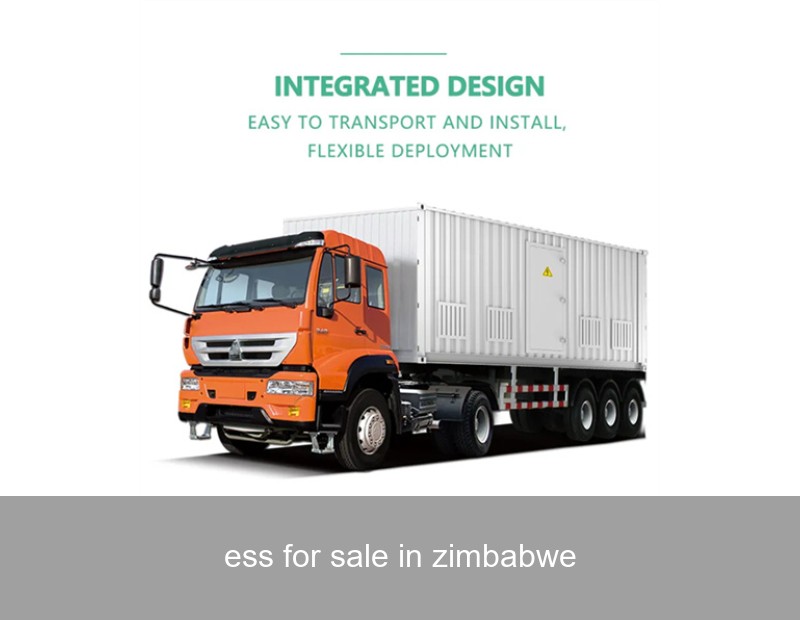
For businesses, communities, and homeowners across Zimbabwe, the quest for stable, reliable electricity is more than a convenience—it's a critical driver of economic growth and quality of life. Frequent load-shedding and an overburdened national grid have created a pressing need for innovative solutions. This is where the search for a robust Energy Storage System (ESS) for sale in Zimbabwe begins. An ESS is not just a battery; it's an intelligent system that stores energy (often from solar panels) for use when you need it most, turning intermittent power into a dependable resource. For a nation blessed with abundant sunshine, leveraging solar-plus-storage technology is a powerful step towards energy independence.
Table of Contents
- The Power Problem: More Than an Inconvenience
- What is an ESS? Beyond the Basic Battery
- A Zimbabwean Case Study: The School That Never Darkens
- Choosing the Right System for Zimbabwe's Landscape
- The Highjoule Solution: Engineered for Resilience
- Your Next Step Towards Energy Freedom
The Power Problem: More Than an Inconvenience
Let's be frank: unreliable power isn't just about sitting in the dark. It has tangible, costly consequences. For a factory, a sudden outage can halt production lines, damage sensitive equipment, and lead to missed orders. For a hospital, it can be life-threatening. For a farmer, it can spoil refrigerated produce. The World Bank's 2023 Energy Progress Report highlights that access to reliable electricity is a foundational pillar for development, directly impacting GDP growth and social well-being. In Zimbabwe, this challenge presents a clear phenomenon: abundant renewable potential exists alongside grid instability, creating a unique market for sophisticated energy storage solutions.
The Data Behind the Demand
Consider this: Zimbabwe receives an average of over 3,000 hours of sunshine per year, making it a prime candidate for solar photovoltaic (PV) energy. However, without storage, this energy is only available when the sun shines. Pairing solar PV with an ESS can increase self-consumption of solar energy from around 30-40% to over 70-80%, dramatically reducing reliance on the grid or diesel generators. This isn't just theory; it's a financial imperative. The cost of diesel is volatile and high, while the long-term cost of solar-plus-storage has decreased significantly, offering a predictable return on investment.
What is an ESS? Beyond the Basic Battery
When you look for an ESS for sale in Zimbabwe, you're looking for a system, not a commodity. A modern ESS comprises several key components:
- Battery Bank: The heart of the system, where energy is stored. Lithium-ion phosphate (LFP) batteries are now the industry standard for commercial and industrial use due to their long lifespan, safety, and declining cost.
- Battery Management System (BMS): The "brain" that protects the battery, ensuring each cell operates within safe voltage, temperature, and current ranges.
- Power Conversion System (PCS): The "interpreter" that converts stored DC battery power into AC power for your appliances and machinery, and vice-versa for charging.
- Energy Management System (EMS): The "strategist" that intelligently controls when to charge, when to discharge, and how to optimize energy flow based on your usage patterns, solar production, and grid availability.

Image Source: Unsplash - A modern containerized ESS unit, similar to solutions deployed in challenging environments.
A Zimbabwean Case Study: The School That Never Darkens
Let's move from concept to reality. A notable boarding school in Mashonaland East faced severe disruptions. Evening study hours were constantly interrupted by load-shedding, affecting student performance. Their water pumping and kitchen facilities relied on an expensive, noisy diesel generator. Their goal was clear: ensure 24/7 power for dormitories, classrooms, and essential services.
In 2023, they deployed a tailored solar-plus-storage microgrid. The system included a 120 kW solar array coupled with a 280 kWh lithium-ion ESS and a sophisticated control system. The results, monitored over one year, speak volumes:
| Metric | Before ESS | After ESS Deployment |
|---|---|---|
| Grid/Diesel Dependency | ~16 hours/day | Less than 2 hours/day (grid as backup only) |
| Monthly Fuel Costs | ~$2,800 USD | ~$200 USD |
| Annual CO2 Emissions Reduction | Baseline | Estimated 48 tonnes |
| Power Availability for Critical Loads | ~65% | 99.8% |
This case exemplifies the transformative impact. The school now operates with predictable energy costs, a quiet and clean campus, and an uninterrupted learning environment. The project's success hinged on choosing an ESS designed for high cycle life and easy integration with existing solar PV—a key consideration for any entity seeking an ESS for sale in Zimbabwe.
Choosing the Right System for Zimbabwe's Landscape
Not all storage systems are created equal, especially in environments with specific challenges. Here’s what to prioritize:
- Climate Resilience: Systems must withstand high temperatures. Look for products with robust thermal management and a stated operating temperature range suitable for Zimbabwe's climate.
- Grid Support Features: Advanced systems can provide "grid-forming" capabilities, essentially creating a stable mini-grid in areas with weak or no grid connection.
- Scalability: Your energy needs may grow. A modular ESS allows you to add more battery capacity as needed without replacing the entire system.
- Local Support & Warranty: This is critical. Ensure the provider offers strong local technical support, training, and a clear, long-term warranty. The hardware is only as good as the service behind it.
The Highjoule Solution: Engineered for Resilience
This is where global expertise meets local application. At Highjoule, with nearly two decades of experience, we design our Energy Storage Systems with precisely these challenges in mind. Our H-Ion Cube series, for commercial and industrial applications, is built on Lithium Iron Phosphate (LFP) chemistry, renowned for its safety and longevity. These containerized or rack-mounted solutions are pre-integrated and tested, featuring:
- An advanced, liquid-cooled thermal management system that ensures optimal performance even in high ambient temperatures.
- A proprietary EMS with AI-driven forecasting to maximize self-consumption of solar energy and reduce costs.
- Modular design, allowing capacity to be scaled from 100 kWh to multiple MWh as your needs evolve.
For residential and smaller commercial sites, our Highjoule HomePower system provides a sleek, all-in-one solution that seamlessly integrates with new or existing solar panels, giving homeowners control over their energy destiny. Whether for a clinic, a farm, a factory, or a home, Highjoule's focus is on delivering intelligent, efficient, and sustainable power solutions that are as reliable as the people they empower.

Image Source: Unsplash - Solar and storage for agricultural use, a key application in Zimbabwe.
Your Next Step Towards Energy Freedom
The journey to energy independence starts with a clear assessment. What are the specific loads you must keep running? What is your current energy spend on grid power and diesel? How much rooftop or land space do you have for solar panels? Answering these questions creates the blueprint for your ideal solar-plus-storage system.
As you evaluate options for an ESS for sale in Zimbabwe, remember that you are investing in more than hardware; you are investing in stability, productivity, and growth. The technology is proven, and the economic case is stronger than ever.
What would the first 24 hours of uninterrupted power do for your business, your community, or your family?
 Inquiry
 Online Chat