


Understanding Solar Energy Storage Cabinet System Price: A Smart Investment Guide
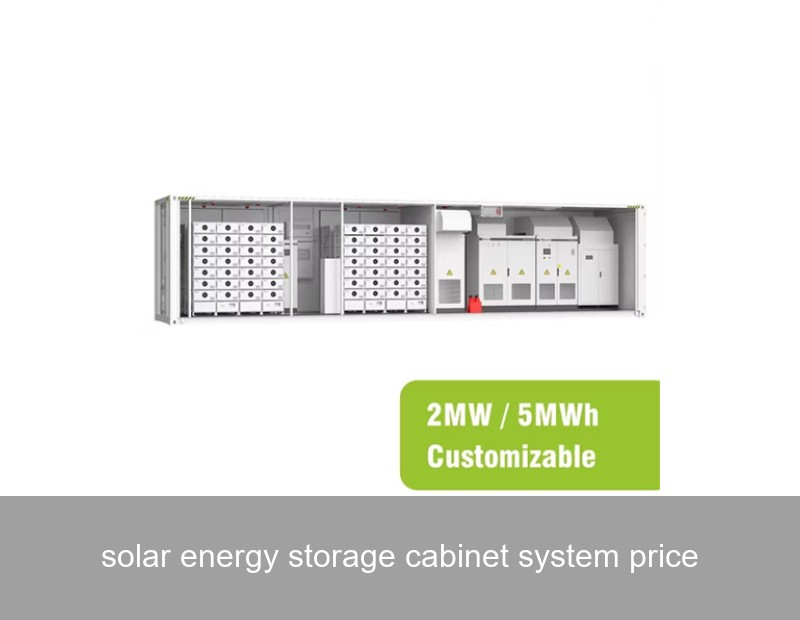
As the sun sets but your energy needs don't, a solar energy storage cabinet system becomes the cornerstone of true energy independence. You're not alone if the upfront solar energy storage cabinet system price feels like a complex puzzle. Beyond a simple sticker number, this price reflects a sophisticated piece of technology designed to maximize your solar investment, secure your power supply, and deliver significant long-term savings. This guide will demystify the cost components, explore the value behind the price tag, and show you how to evaluate this crucial investment for your home or business.
Table of Contents
- The Real Breakdown: What Makes Up the Solar Cabinet System Price?
- Key Factors Influencing Your System's Cost
- Looking Beyond the Sticker Price: The Value Proposition
- From Theory to Practice: A Real-World Case Study
- How Highjoule Delivers Value in Energy Storage
- Making the Right Decision for Your Needs
The Real Breakdown: What Makes Up the Solar Cabinet System Price?
Think of the total solar energy storage cabinet system price not as a single cost, but as an integrated solution with several core components. Each plays a vital role in performance and safety.
- The Battery Cells & Module: This is the heart of the system—where energy is physically stored. The chemistry (commonly Lithium Iron Phosphate or LFP for its safety and longevity), capacity (measured in kWh), and brand quality dictate a large portion of the cost. Higher capacity and more durable cells command a higher price.
- The Battery Management System (BMS): This is the brain. A sophisticated BMS, like the ones integrated into Highjoule systems, meticulously monitors cell voltage, temperature, and health. It ensures safety, maximizes lifespan, and optimizes performance. A premium BMS is a critical investment, not a cost.
- The Power Conversion System (PCS)/Inverter: This is the interpreter. It converts the DC electricity from the batteries into AC power for your home or business. Hybrid inverters that can manage solar, battery, and grid power simultaneously are a key part of a seamless cabinet system.
- The Enclosure & Thermal Management: The physical cabinet is more than a metal box. It houses sophisticated cooling systems (air or liquid) to maintain optimal battery temperature, ensuring efficiency and preventing degradation. Robust design for outdoor or indoor installation also affects cost.
- Software & Connectivity: Modern systems are smart. The price includes the energy management software and connectivity hardware that allow you to monitor performance, control settings, and receive updates remotely—a crucial feature for maximizing self-consumption and savings.
- Installation & Professional Services: This encompasses system design, permitting, electrical work, commissioning, and connection. Professional installation by certified technicians is non-negotiable for safety, warranty validation, and optimal performance.

Image Source: Unsplash - A modern energy storage cabinet integrates multiple components into a single, sleek unit.
Key Factors Influencing Your System's Cost
Why can prices vary so much between quotes? Several variables are at play.
| Factor | Impact on Price | Consideration |
|---|---|---|
| System Capacity & Power Rating | High Impact | Larger capacity (kWh) and higher continuous power output (kW) cost more but support more appliances and longer backup times. |
| Technology & Chemistry | High Impact | LFP batteries typically have a higher upfront cost than older chemistries but offer superior cycle life and safety, providing better long-term value. |
| Brand & Quality | Medium to High Impact | Established brands like Highjoule invest heavily in R&D, safety certifications, and robust BMS, which is reflected in the price but justified in reliability. |
| Installation Complexity | Medium Impact | Distance between components, existing electrical panel upgrades, and mounting requirements can alter labor costs. |
| Local Incentives & Regulations | Variable (Can Reduce Net Cost) | Regions with strong solar and storage incentives (e.g., U.S. Federal Tax Credit) significantly lower the net investment. Always check local programs. |
Looking Beyond the Sticker Price: The Value Proposition
Evaluating the solar energy storage cabinet system price solely on upfront cost is like buying a car based only on the showroom price, ignoring fuel efficiency and maintenance. The true metric is Levelized Cost of Storage (LCOS)—the total cost of owning and operating the system over its lifetime, divided by the total energy it will deliver. A system with a higher initial price but double the lifespan and higher efficiency can have a far lower LCOS. Here’s where value is created:
- Energy Bill Savings: Store excess solar for use at night, reducing reliance on the grid during peak, high-rate periods.
- Backup Power Security: Provide peace of mind during grid outages, keeping essential loads running.
- Grid Services & Incentives: In some markets, you can earn revenue by providing grid stabilization services (virtual power plants).
- Increased Self-Consumption: Maximize the use of your own clean solar energy, sometimes exceeding 80%.
- Property Value & Sustainability Goals: Enhances property appeal and meets corporate or personal sustainability targets.
From Theory to Practice: A Real-World Case Study
Let's ground this in reality. Consider a medium-sized commercial bakery in Bavaria, Germany. They faced high electricity costs, especially during early morning operational peaks before their solar PV system hit full output.
The Challenge: Reduce peak grid demand charges and ensure uninterrupted operation of refrigeration units.
The Solution: Installation of a 120 kWh Highjoule solar energy storage cabinet system, integrated with their existing 100 kWp solar array.
The Data-Driven Outcome (First Year):
- Peak Demand Charge Reduction: 40% decrease, saving approximately €8,500 annually.
- Increased Solar Self-Consumption: Rose from 55% to 92%, slashing daytime grid purchases.
- Backup Assurance: System provided 6+ hours of backup for critical cooling loads during two grid disturbances.
- Simple Payback Period: Projected at under 7 years, factoring in the German KfW support programs for energy storage. The robust design and 10-year performance warranty ensure value far beyond the payback period.
This case illustrates how the initial solar energy storage cabinet system price is transformed from a capital expense into a strategic investment with a clear, quantifiable return.
How Highjoule Delivers Value in Energy Storage
At Highjoule, with nearly two decades of expertise since 2005, we engineer our storage solutions to optimize the value equation for our customers in Europe and North America. Our approach directly addresses the factors that influence total cost of ownership.
Our flagship H-Cube Commercial & Industrial Series storage cabinets are built with industry-leading LFP cells and a proprietary, multi-layer BMS that extends cycle life and ensures operational safety. The modular design allows for scalable capacity, meaning you can start with what you need and expand later, optimizing your initial investment. Furthermore, our Helios Energy Management Platform uses AI-driven forecasting to intelligently dispatch stored energy, ensuring every kilowatt-hour is used at the most economically advantageous time—whether for self-consumption, peak shaving, or participating in grid response programs.
For residential and smaller commercial applications, our H-Power Home Series brings the same robust engineering into a compact, user-friendly format. We focus on seamless integration, high round-trip efficiency (over 95%), and a design that ensures our systems are not just a product you buy, but a long-term partner in your energy resilience. By prioritizing quality, safety, and intelligent software, Highjoule systems are designed to have a lower LCOS, making the initial solar energy storage cabinet system price a smarter long-term investment.

Image Source: Unsplash - A complete home energy system with solar and storage.
Making the Right Decision for Your Needs
So, how do you navigate this decision? Start by asking the right questions: What are your primary goals—bill savings, backup power, or sustainability? Analyze your energy consumption patterns (your utility bill is a goldmine of data). Get detailed quotes that break down equipment, installation, and expected performance. Crucially, look beyond the per-kWh battery cost and ask about system efficiency, warranty terms (both years and throughput cycles), and the track record of the provider.
Consult with independent sources like the Solar Energy Industries Association (SEIA) for market data, and always verify installer credentials. Remember, the cheapest option today might be the most expensive over ten years due to premature degradation or inadequate support.
 Inquiry
 Online Chat