


Unlocking Potential: A Deep Dive into Storage for Lithium-Ion Batteries
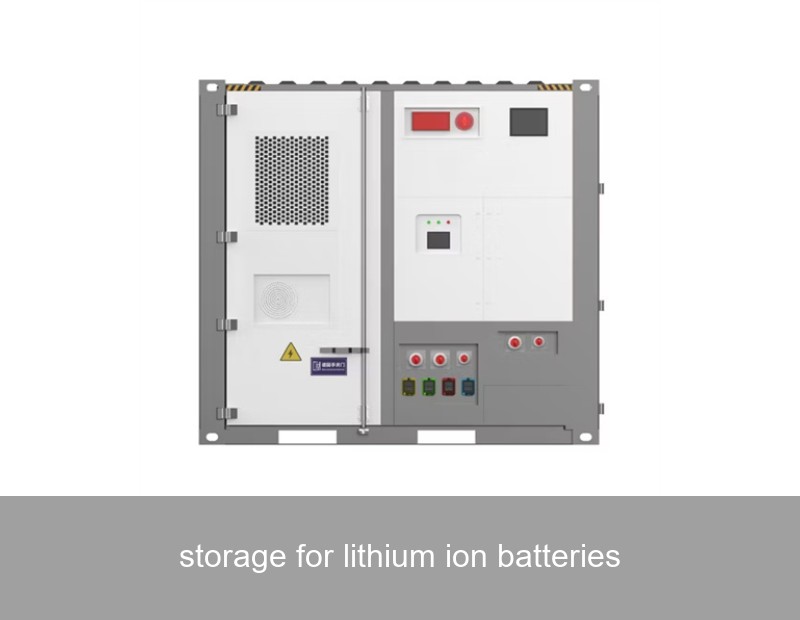
You've likely heard the buzz: lithium-ion batteries are powering our world, from smartphones to electric vehicles. But there's a critical, often overlooked hero in this energy revolution—the sophisticated storage for lithium ion batteries system. It's not just a box that holds power; it's the intelligent brain and muscle that manages how energy is stored, discharged, and optimized. For businesses, communities, and homeowners navigating the shift to renewables, understanding this technology is key to achieving true energy independence and resilience.

Modern battery storage systems are engineered for safety and scalability. (Image credit: Unsplash)
What is Storage for Lithium-Ion Batteries, Really?
At its core, a battery energy storage system (BESS) built around lithium-ion technology is far more than a collection of cells. Think of it as an integrated ecosystem. The lithium-ion cells are the raw fuel tanks, but the storage system encompasses the battery management system (BMS) that protects each cell, the power conversion system (PCS) that talks to the grid, the thermal management system that keeps everything at the right temperature, and the energy management software (EMS) that makes smart, economic decisions in real-time.
This distinction is crucial. A quality cell can be undermined by a poor storage system, leading to reduced lifespan, safety risks, and financial losses. A superior storage system, like those engineered by Highjoule, maximizes the performance, safety, and return on investment of the underlying battery technology.
The Highjoule Approach to Intelligent Storage
With nearly two decades of experience since 2005, Highjoule designs storage solutions that treat the battery as part of a larger energy organism. Our HPS Series for commercial and industrial applications integrates industry-leading cells with our proprietary JouleMind™ AI software. This platform doesn't just store energy; it learns energy usage patterns, predicts renewable generation, and autonomously dispatches power to shave peak demand charges or provide backup during outages. For residential users, our HomePower Hub offers seamless integration with solar PV, turning a home into a personal microgrid.
Why Storage Matters: The Data Behind the Demand
The drive for efficient storage for lithium ion batteries isn't theoretical—it's an economic and grid resilience imperative. Consider this: the U.S. Energy Information Administration (EIA) projects that battery storage capacity will grow significantly in the coming years, driven by renewable integration. Meanwhile, in Europe, grid operators face increasing volatility as fossil fuel plants retire.
Let's break down the primary value drivers:
- Renewable Integration: Solar and wind are intermittent. Storage captures excess generation for use when the sun isn't shining or the wind isn't blowing, smoothing out supply.
- Grid Stability & Services: Advanced storage systems can respond to grid frequency changes in milliseconds, providing critical services that keep the power stable and prevent blackouts.
- Cost Savings: For businesses, electricity costs aren't just about consumption; they're about peak demand. Storage can discharge during short, high-price periods, dramatically reducing utility bills.
- Energy Security: From California's wildfire-related outages to Europe's energy security concerns, on-site storage provides a reliable backup power source.
Key Components of a Modern Lithium-Ion Battery Storage System
| Component | Primary Function | Why It's Critical |
|---|---|---|
| Battery Modules & Cells | The fundamental energy storage unit (e.g., LFP chemistry). | Determines base energy density, cycle life, and safety profile. |
| Battery Management System (BMS) | Monitors voltage, temperature, and state of charge for each cell. | Prevents overcharge/over-discharge, ensures cell balance, and is the first layer of safety. |
| Power Conversion System (PCS) | Converts DC battery power to AC grid power and vice versa. | Determines charge/discharge speed (power rating) and grid communication capabilities. |
| Thermal Management | Maintains optimal operating temperature (cooling/heating). | Extends battery lifespan by decades and prevents thermal runaway. |
| Energy Management Software (EMS) | The "brain" that controls when to charge and discharge based on algorithms. | Unlocks financial value through smart control strategies and system optimization. |
A Real-World Case Study: Storage in Action
Let's move from theory to practice with a concrete example from the European market. A mid-sized dairy processing plant in Germany faced two challenges: high Strompreis (electricity prices) and a corporate mandate to reduce its carbon footprint. Their rooftop solar array produced ample energy during the day, but their highest energy demands for refrigeration and processing occurred in the early morning and evening.
The Solution: The plant partnered with Highjoule to install a 500 kWh / 750 kW containerized HPS Series storage system. Integrated with their existing solar PV, the system was programmed with a dual strategy: 1) store excess solar energy midday, and 2) draw from the grid during low-cost, off-peak night hours.
The Data-Driven Outcome (12-month period):
- Peak Demand Charge Reduction: 22% decrease, saving over €45,000 annually.
- Increased Solar Self-Consumption: Rose from 35% to over 80%, maximizing their renewable investment.
- Grid Services Revenue: By enrolling in a local grid stability program (a service enabled by the fast response of Highjoule's PCS), the plant earned an additional €8,000 in revenue.
- Backup Power: The system provided seamless backup for critical refrigeration during two brief grid outages, preventing spoilage.
This case illustrates how intelligent storage for lithium ion batteries transcends simple backup—it becomes an active financial asset and sustainability tool. For more on grid services, the National Renewable Energy Laboratory (NREL) provides excellent resources.

Professional installation and maintenance are key to long-term system performance. (Image credit: Pexels)
Future Trends in Battery Storage Technology
The landscape for storage for lithium ion batteries is rapidly evolving. While lithium iron phosphate (LFP) chemistry is becoming the dominant choice for stationary storage due to its safety and long cycle life, innovation continues. We're seeing advancements in solid-state batteries, which promise even greater safety and energy density. Perhaps more impactful in the near term is the evolution of software and system integration.
The future lies in grid-interactive buildings and virtual power plants (VPPs). In a VPP, thousands of distributed storage systems, like those in homes or businesses, are aggregated and controlled as a single, flexible power plant. Highjoule's systems are designed with this future in mind, featuring open API protocols that allow them to participate in these aggregated networks, creating new revenue streams for owners and providing a powerful tool for grid operators to manage the renewable transition. The International Energy Agency (IEA) highlights the growing importance of this flexibility.
Choosing the Right Storage System for Your Needs
Selecting a storage for lithium ion batteries solution isn't a one-size-fits-all process. Here are key questions to guide your decision:
- What is your primary goal? (Bill reduction, backup power, sustainability, revenue from grid services?)
- What is your existing infrastructure? (Do you have solar PV? What is your main panel's capacity?)
- How important is scalability? Can the system be easily expanded as your needs grow?
- What is the total cost of ownership? Look beyond the upfront price to include warranty, expected degradation, and maintenance costs over 15-20 years.
This is where partnering with an experienced provider makes all the difference. Highjoule's experts work with you from the initial audit through design, commissioning, and long-term monitoring. We ensure the system is not just a piece of hardware, but a customized solution that delivers on your specific energy and financial objectives.
Ready to Explore Your Potential?
The journey to energy resilience and intelligence starts with a conversation. What would a 20% reduction in your energy costs do for your business or household budget? How would reliable backup power change your approach to operational risk? We invite you to connect with our team to discuss your unique energy profile and explore what a Highjoule intelligent storage system could unlock for you.
 Inquiry
 Online Chat