


Solar Energy Systems in Poland: Your Guide to a Brighter, More Independent Energy Future
Imagine a Poland where your home or business isn't at the mercy of fluctuating energy prices. A future where your power is clean, predictable, and generated right from your own roof. This isn't a distant dream; it's the reality being unlocked by solar energy systems in Poland today. The Polish energy landscape is undergoing a remarkable transformation, driven by a powerful mix of rising electricity costs, strong government incentives, and a growing national desire for energy independence. For homeowners, farmers, and business leaders across the country, understanding this shift is the first step toward taking control. This guide will illuminate the path, exploring the "why" and "how" of solar in Poland, backed by real data and success stories.
Table of Contents
- The Polish Solar Boom: More Than Just a Trend
- Anatomy of a Polish Solar Energy System
- The Missing Piece: Why Energy Storage is a Game-Changer
- Case Study: Powering a Polish Agri-Business Through the Night
- Highjoule's Smart Solutions for the Polish Market
- Making the Switch: Your Next Steps
The Polish Solar Boom: More Than Just a Trend
Let's look at the numbers. Poland has emerged as one of Europe's most dynamic solar markets. According to the International Renewable Energy Agency (IRENA), Poland's solar photovoltaic (PV) capacity skyrocketed from just 0.2 GW in 2015 to over 17 GW by the end of 2024. That's an increase of more than 8,000% in less than a decade! What's fueling this explosive growth? Three key factors are at play:
- Economic Incentives: Programs like "Mój Prąd" (My Electricity) have provided crucial financial rebates for prosumers, making the initial investment in solar panels significantly more accessible for millions of households.
- Soaring Energy Prices: The geopolitical landscape has led to unprecedented volatility in electricity and gas prices. For many Poles, installing solar panels has become a strategic financial decision to lock in long-term energy costs.
- Energy Security & Sustainability: There's a growing collective awareness. Reducing reliance on imported fossil fuels isn't just good for the wallet; it's a step toward national energy sovereignty and a cleaner environment.
This boom, however, is entering a new, more sophisticated phase. Early adopters who installed basic panel systems are now facing a new question: "I have solar panels, but why am I still buying so much power from the grid in the evening?" This brings us to the core of a modern energy solution.
Anatomy of a Polish Solar Energy System
A typical solar energy system in Poland consists of several key components working in harmony:
- Solar Panels (PV Modules): These are the workhorses, capturing sunlight and converting it into direct current (DC) electricity.
- Inverter(s): This is the brain. It converts the DC electricity from your panels into the alternating current (AC) used by your home appliances and the Polish grid.
- Mounting System & Balance of System (BOS): The physical structure and all the wiring, switches, and safety components that hold everything together.
But here's the catch with a standard setup: solar panels produce the most energy in the middle of the day, often when you're at work or your home's consumption is lowest. The surplus is fed back to the grid. Later, when the sun sets and your family is home using lights, TV, and appliances, you draw power back from the grid. With net-metering schemes evolving, the financial benefit of this exchange isn't as favorable as it once was.
The Missing Piece: Why Energy Storage is a Game-Changer
This is where the conversation evolves from simple solar generation to intelligent energy management. Adding a battery energy storage system (BESS) transforms your setup. Think of it as a personal energy bank. Instead of sending your excess solar power away, you store it in your battery for use exactly when you need it most: during the evening peak, on cloudy days, or even during a brief grid outage.
The benefits are profound:
| Feature | Basic Solar System | Solar + Storage System |
|---|---|---|
| Energy Self-Consumption | ~30-40% | 70-90%+ |
| Grid Independence at Peak Times | Low | High |
| Backup Power During Outages | None | Yes (if configured) |
| Protection from Future Price Hikes | Partial | Maximum |

For the Polish market, with its distinct seasons, storage is particularly valuable. It helps smooth out energy availability between long summer days and short, cloudy winter days, providing year-round stability.
Case Study: Powering a Polish Agri-Business Through the Night
Let's make this real with a story from the Wielkopolska region. Jan and Maria run a medium-sized dairy farm with a cold storage facility for milk. Their electricity bills were crippling, especially the high tariffs for power used during evening operations. They installed a 50 kWp solar array, which cut daytime costs dramatically. However, the refrigeration units needed to run constantly.
Their solution? They partnered with a local installer to integrate a Highjoule H-Stack Commercial battery storage system. Here are the results after one year:
- Solar Self-Consumption Rate Increased: From 35% to 88%.
- Grid Energy Purchased at Peak Rates: Reduced by 94%.
- Overall Energy Bill Savings: Achieved an additional 40% savings on top of the solar-only savings.
- ROI Period: The combined system is projected to pay for itself in under 7 years, thanks to the avoided peak charges.
"The solar panels were a good first step," Jan explains. "But the Highjoule battery is what truly gave us control. Now, the energy from our sunny day runs our chillers all night. It's a game-changer for our business's bottom line and resilience."
Highjoule's Smart Solutions for the Polish Market
At Highjoule, with nearly two decades of global experience since 2005, we design our energy storage solutions for real-world challenges exactly like Jan and Maria's. We understand that a solar energy system in Poland needs to be robust, intelligent, and adaptable.
Our product portfolio, trusted by homeowners and businesses across Europe and the U.S., is engineered for high performance in diverse climates:
- Highjoule H-Core Residential Series: Our compact, wall-mounted lithium iron phosphate (LFP) battery systems are built for safety and longevity. With scalable capacity from 5 kWh to 30 kWh, they seamlessly integrate with leading inverter brands popular in Poland. The intuitive app lets you monitor your production, consumption, and savings in real-time.
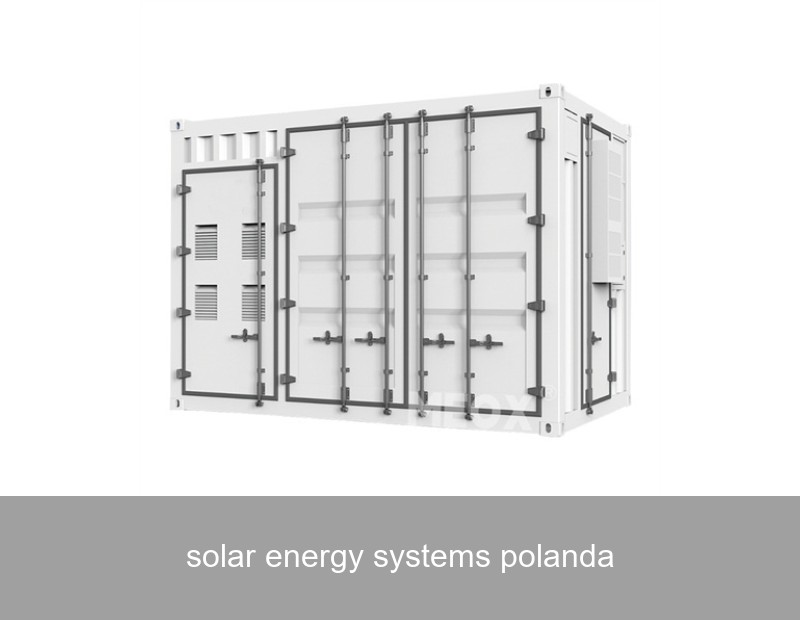
- Highjoule H-Stack Commercial & Industrial (C&I) Series: For farms, factories, and small businesses, these modular, cabinet-based systems offer power from 30 kWh to over 1 MWh. They are designed for demanding duty cycles and can be configured for advanced applications like peak shaving and backup power, providing critical financial and operational protection.
- Highjoule Energy Management System (EMS): This is the intelligence behind the hardware. Our proprietary software doesn't just store energy; it learns your patterns, weather forecasts, and tariff schedules to automatically optimize when to charge, discharge, or hold, maximizing your economic return automatically.

Our systems are more than just batteries; they are the key to transforming your solar array from a partial solution into a comprehensive, autonomous power station for your property.
Making the Switch: Your Next Steps
The data is clear, the technology is proven, and the economic case in Poland grows stronger every day. Moving from a passive consumer to an active prosumer—and even an energy-independent entity—is now a tangible reality. It starts with asking the right questions.
What would a 80% or higher energy self-sufficiency rate mean for your household budget or your business's operational costs? How would the security of having backup power during an unexpected outage impact your peace of mind?
We encourage you to begin with an energy audit. Look at your last year's electricity bills, identify your peak usage patterns, and then have a conversation with a certified installer about a system designed for your actual needs, not just a standard package. The right partner will help you model the optimal combination of solar panels and storage capacity to meet your goals.
Is your current solar setup working hard for you during the day but leaving you exposed to the grid at night? Perhaps it's time to complete your system and start storing your sunshine, on your own terms.
 Inquiry
 Online Chat