


Solar Generator with Solar Panels Included: Your Complete Guide to Off-Grid Power
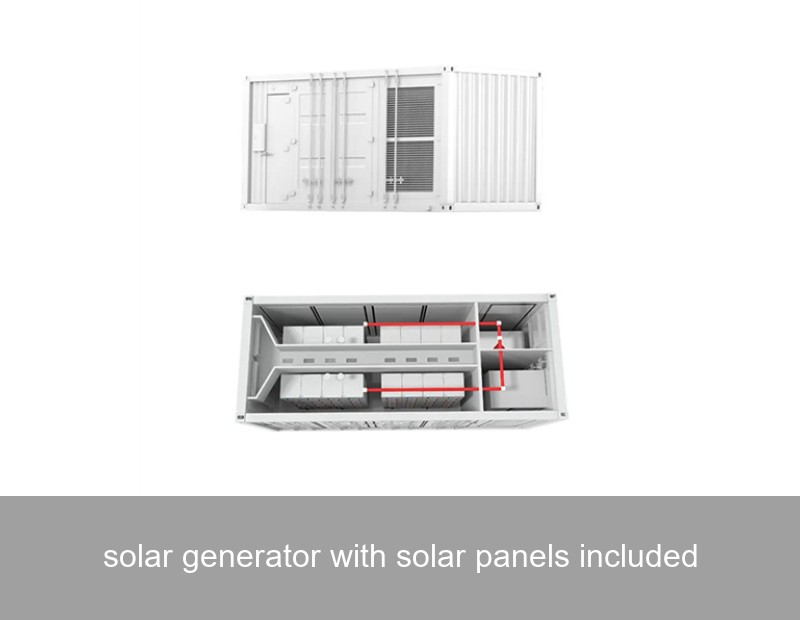
Have you ever considered cutting your electricity bills, gaining energy independence, or simply being prepared for a power outage? You're not alone. Across Europe and the US, a quiet revolution is happening as homeowners and businesses turn to solar power. But the process of buying panels, an inverter, and a battery separately can be daunting. This is where the concept of a solar generator with solar panels included becomes a game-changer. It's an all-in-one, plug-and-play solution that demystifies solar energy. In this guide, we'll explore why these integrated systems are surging in popularity and how they can provide a smart, efficient, and sustainable power solution for your needs.
Table of Contents
What is a Solar Generator with Solar Panels Included?
Let's clear up the terminology first. A "solar generator" is not a generator in the traditional, fuel-burning sense. It's a portable power station that stores energy, typically in a lithium-ion battery, which you can then use to run your appliances. When we talk about a solar generator with solar panels included, we're referring to a complete kit. This kit bundles high-efficiency photovoltaic (PV) panels with a powerful battery storage unit, a charge controller, and an inverter—all pre-configured to work together seamlessly.
Think of it like buying a smartphone with a charger and case included versus sourcing each component individually. The integrated system ensures compatibility, optimizes performance, and saves you the headache of technical configuration. For companies like Highjoule, a global leader in advanced energy storage since 2005, providing such intelligent, pre-engineered solutions is at the core of our mission to make sustainable power accessible for residential, commercial, and microgrid applications.
Image Source: Unsplash - A modern integrated solar and storage installation.
Why Choose an All-in-One System? The Key Benefits
The shift towards bundled solar solutions isn't just a marketing trend; it's a response to real consumer needs. Here are the compelling advantages:
- Simplified Procurement & Installation: One purchase, one warranty, and one point of contact. This drastically reduces the complexity compared to managing multiple vendors for panels, inverters, and batteries.
- Guaranteed Compatibility: The system is designed as a unified whole. The solar panels' output is perfectly matched to the battery's charging input, and the inverter is sized correctly to handle the load, maximizing efficiency and lifespan.
- Faster Return on Investment (ROI): With optimized performance and reduced installation time, you start saving on your energy bills sooner. In regions like Germany or California with high electricity rates and smart incentive programs, this can be significant.
- Enhanced Resilience: When the grid goes down, a standalone solar panel system without battery storage also shuts off for safety. An integrated system with storage, like Highjoule's ResiPower Home suite, automatically keeps your essential circuits—lights, refrigeration, internet—running seamlessly.
- Scalability: Many quality systems are modular. You can often start with a base kit and add more solar panels or extra battery capacity later as your needs or budget grow.
Key Components of a High-Quality Integrated Solar System
Not all kits are created equal. Understanding the core components will help you evaluate your options.
| Component | Role | What to Look For |
|---|---|---|
| Solar Panels | Convert sunlight into direct current (DC) electricity. | High-efficiency monocrystalline panels (21%+), durable frame, strong performance warranty (25+ years). |
| Battery Storage | Stores excess solar energy for use at night or during outages. | Lithium Iron Phosphate (LFP) chemistry for safety & longevity, usable capacity (kWh), high round-trip efficiency (>95%). |
| Hybrid Inverter/Charger | The brain of the system. Converts DC to AC for home use, manages battery charging/discharging, and can connect to the grid. | Power rating (kW), pure sine wave output, smart grid interaction capabilities. |
| Energy Management System (EMS) | Intelligent software that optimizes energy flow based on weather, usage patterns, and tariff rates. | User-friendly app, predictive algorithms, ability to participate in grid services (where available). |
Highjoule's systems, for instance, are built around our proprietary Adaptive Core™ BMS (Battery Management System) and intelligent EMS. This ensures each component communicates perfectly, extending battery life and allowing homeowners to customize their energy strategy—like charging the battery with cheap off-peak grid power when solar isn't enough.
Real-World Impact: A Case Study from California
Data and theory are good, but real-life results are better. Let's look at a project in Sonoma County, California, an area prone to seasonal wildfires and Public Safety Power Shutoffs (PSPS).
The Challenge: A small family-run vineyard needed to protect its critical cooling systems for wine storage during frequent multi-day grid outages. Their existing solar PV system would shut down during these events, threatening their product.
The Solution: They installed a Highjoule CommPower integrated solar generator system, adding a 25kWh battery bank and a hybrid inverter to their existing roof panels. The system was designed for "islanding" – disconnecting from the grid and powering selected loads independently.
- 100% Uptime for critical refrigeration loads during 7 separate grid outages, totaling 12 days.
- 40% Reduction in monthly electricity costs by leveraging stored solar power during peak evening rate periods (a practice called peak shaving).
- Estimated ROI Period: 6-7 years, accelerated by California's SGIP (Self-Generation Incentive Program) battery rebate.
This case highlights the dual value of a solar generator with solar panels included (or retrofitted): resilience and economic savings. You can read more about the importance of grid resilience from the U.S. Department of Energy here.

Image Source: Unsplash - Solar panels in agricultural applications.
Choosing the Right System for Your Home or Business
So, how do you select the perfect system? Ask yourself these key questions:
- What are your primary goals? (Emergency backup, bill reduction, going fully off-grid?)
- What essential appliances do you need to power during an outage? Calculate their total wattage to estimate your required battery capacity. A refrigerator might use 150-300W, while a sump pump could surge to 1500W.
- What is your roof's solar potential? Consider orientation, shading, and available space. Tools like the EU's PVGIS or the U.S. PVWatts Calculator can provide estimates.
- What incentives are available? In the US, the federal Investment Tax Credit (ITC) applies to battery storage if paired with solar. In Europe, countries like Italy and the UK offer various grants and tax benefits.
This is where partnering with an expert provider pays off. Highjoule's approach involves a detailed energy assessment to tailor a system—whether it's our ResiPower Home for residences or scalable MicroGrid Power solutions for businesses—that fits your specific energy profile and goals, ensuring you get a true solar generator with solar panels included that works for your life, not just on paper.
The Future of Integrated Solar Energy
The technology is evolving rapidly. We're moving towards even smarter, more interactive systems. The next generation of integrated solar generators will likely feature:
- Vehicle-to-Grid (V2G) Integration: Using your electric vehicle's battery as a backup power source for your home.
- AI-Powered Optimization: Systems that learn your habits and weather patterns to autonomously maximize self-consumption and savings.
- Blockchain-Enabled Peer-to-Peer Energy Trading: Allowing you to sell excess solar power directly to neighbors.
The core idea remains: making clean, reliable power simple and accessible. The all-in-one solar generator is more than a product; it's a step towards personal energy sovereignty.
Given the accelerating climate challenges and energy price volatility, can you afford to view your roof as just a shelter, rather than a potential power plant for your independence?
 Inquiry
 Online Chat