


Your Ultimate Guide to Finding a Reliable Solar Hub NZ Supplier for a Smarter Energy System
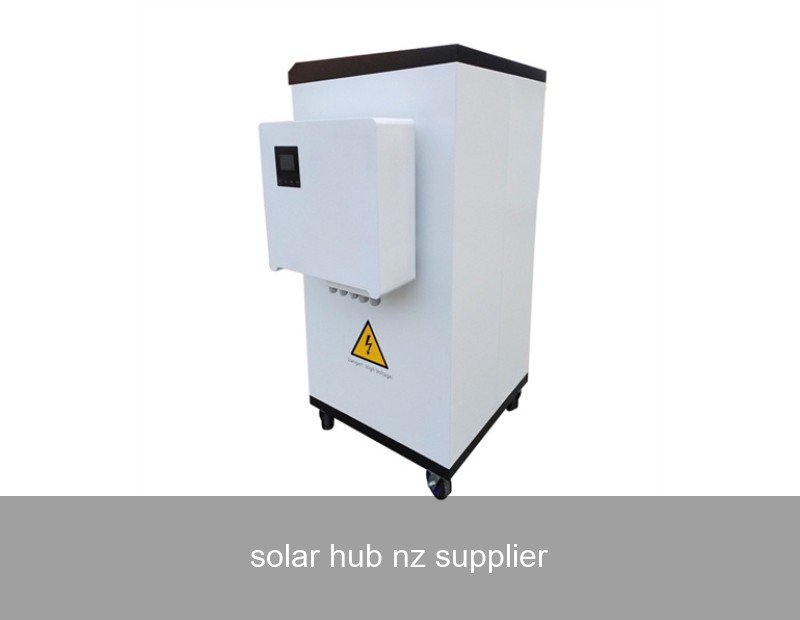
As New Zealand strides towards its ambitious renewable energy targets, a powerful trend is emerging in homes and businesses nationwide: the move from simple solar panels to integrated, intelligent energy systems. At the heart of this evolution is the solar hub—a sophisticated control unit that manages solar generation, battery storage, and home energy consumption. For Kiwis looking to maximize their energy independence and ROI, choosing the right solar hub NZ supplier is the single most critical decision. This article will guide you through why this technology is essential, what to look for in a supplier, and how it transforms your property into a resilient, efficient power station.
Table of Contents
- The Phenomenon: Why NZ is Ripe for Solar Hubs
- The Data Reality: More Panels Don't Always Mean More Savings
- Case Study: A Canterbury Farm's Transformation
- Expert Insights: What Makes a Superior Solar Hub?
- Choosing Your Solar Hub NZ Supplier: A Checklist
- Highjoule's Role in Advanced NZ Energy Systems
- The Future of Your Energy Independence
The Phenomenon: Why NZ is Ripe for Solar Hubs
New Zealand's energy landscape is unique. While our grid is already rich in renewables like hydro and geothermal, residential and commercial electricity prices remain high. Combine this with abundant sunshine in many regions and a growing culture of sustainability, and you have the perfect environment for solar adoption. But here's the catch many discover too late: installing solar panels without intelligent management is like having a high-performance car with no steering wheel. You generate power when the sun shines, but what about during peak evening demand, or on cloudy days? This is where the solar hub becomes non-negotiable. It's the brain of your system, deciding when to store energy, when to use it, and when to draw from the grid, ensuring every kilowatt-hour you produce is used optimally.
The Data Reality: More Panels Don't Always Mean More Savings
Let's talk numbers. A standard 5kW solar system in Auckland might generate around 6,500 kWh annually. Without a battery and smart hub, a typical household might only consume 30-50% of that directly, exporting the rest to the grid at a low feed-in tariff (often 5-10 cents/kWh), while buying power back at night for 25-35 cents/kWh. This drastically lengthens your payback period.
Now, integrate a system with a high-performance solar hub and battery:
| System Component | Without Smart Hub | With Advanced Solar Hub |
|---|---|---|
| Self-Consumption of Solar | ~40% | 80%+ |
| Grid Import Reduction | 30-40% | 70-90% |
| ROI Timeframe | 8-12 years | 5-8 years |
| Grid Resilience | None during outages | Backup power available |
The data is clear. The value isn't just in generation; it's in intelligent management. This efficiency is why partnering with a solar hub NZ supplier with deep system integration expertise is crucial. They provide the technology that unlocks this data-driven performance.

Credit: Photo by Andreas Gücklhorn on Unsplash. Modern solar installations require intelligent brains, not just panels.
Case Study: A Canterbury Farm's Transformation with a High-Performance Hub
Consider the real-world example of a mid-sized dairy farm operation in Canterbury. They had a 20kW solar array installed in 2020, but were frustrated with high night-time power costs for milking and cooling. In 2023, they partnered with a certified solar hub NZ supplier who integrated a Highjoule HJ-EnergyRouter and a 40kWh battery storage system.
- Challenge: High, unpredictable grid demand charges and insufficient use of daytime solar generation.
- Solution: The Highjoule solar hub was programmed to prioritize charging batteries during peak solar production, then seamlessly power the milking shed and cooling plant during the evening peak grid period (5 PM - 9 PM). It also provided "firm" power to critical loads during a brief grid outage.
- Result (12-month data):
- Grid import during peak times reduced by 92%.
- Overall electricity costs slashed by 68%.
- The system managed a full islanding operation during a storm, preventing spoilage of thousands of liters of milk.
- Projected payback period for the hub & battery addition: 6.2 years.
This case underscores that the right hub isn't a generic product; it's a configurable platform for site-specific energy strategy.
Expert Insights: What Makes a Superior Solar Hub?
As a product technology expert at Highjoule, I often explain that not all hubs are created equal. Think of it as the difference between a basic calculator and a supercomputer. When evaluating a solar hub, you must look beyond the plastic enclosure. Here are the core technical pillars:
- True Hybrid Inverter Capability: It must seamlessly blend power from solar, battery, and grid, not just switch between them. This ensures smooth, uninterrupted power.
- Advanced Battery Agnosticism: A future-proof hub should be compatible with leading battery chemistries (like LiFePO4) and brands, giving your supplier flexibility to design the best system for you.
- Grid Services Readiness: In the near future, hubs may allow you to earn revenue by supporting grid stability. Look for features like frequency-watt response and voltage support.
- Cybersecurity & Data Privacy: Your energy data is sensitive. Ensure the hub and its cloud platform have enterprise-grade security protocols. At Highjoule, we treat data protection with the same seriousness as grid stability.
For deeper technical standards, resources like the U.S. Department of Energy's solar integration page provide excellent background.
Choosing Your Solar Hub NZ Supplier: A Practical Checklist
Your supplier is your long-term energy partner. They select the hardware, configure the software, and provide ongoing support. Ask these questions:
- Do you offer brand-agnostic system design, or are you locked into a single manufacturer?
- Can you provide detailed simulation data showing projected self-consumption and savings for my specific load profile?
- What is your protocol for firmware updates and security patches for the hub over its 15+ year lifespan?
- Do you have case studies and references from local installations with similar scale to mine?
- Is the hub hardware certified to both NZ/Australian standards (AS/NZS 4777.2) and international standards (e.g., IEC, UL)?
A reputable solar hub NZ supplier will answer these confidently and transparently.

Credit: Photo by American Public Power Association on Unsplash. Professional monitoring and management are key to system success.
How Highjoule Empowers Leading Solar Hub NZ Suppliers
At Highjoule, we don't typically sell directly to homeowners. Instead, we are the technology partner behind many of New Zealand's most respected system integrators and solar hub suppliers. We empower them with:
- The Highjoule EnergyOS Platform: This is the software intelligence that runs on our hardware. It allows our partners to tailor system logic for each client—whether it's maximizing self-consumption for a family home or managing complex demand charges for a factory.
- The HJ-EnergyRouter Series: Our flagship solar hub hardware is built for NZ conditions. It's robust, compliant, and designed for the high-performance requirements of modern hybrid systems.
- Comprehensive Partner Training & Support: We ensure our partner suppliers are experts in system design and our technology, so you receive a solution that's expertly planned and installed.
When you choose a supplier partnered with Highjoule, you're choosing a system built on a foundation of global expertise and robust, scalable technology. For an independent look at battery storage advancements, which are integral to hub performance, NREL's research is a valuable resource.
The Future of Your Energy Independence
The journey to a smarter, more resilient, and cost-effective energy system starts with a single step: rethinking the role of the solar hub. It's no longer an optional add-on; it's the command center for your personal energy ecosystem. The right technology, provided by the right solar hub NZ supplier, can mean the difference between an underperforming asset and a transformative investment that pays dividends for decades.
So, here's a question to ponder as you consider your next step: If your energy system could make decisions as smartly as you manage your business or household, what new opportunities for savings, sustainability, and security would that unlock for you?
 Inquiry
 Online Chat