


Navigating Solar Inverter Prices in Zimbabwe: A Guide to Smart Investment
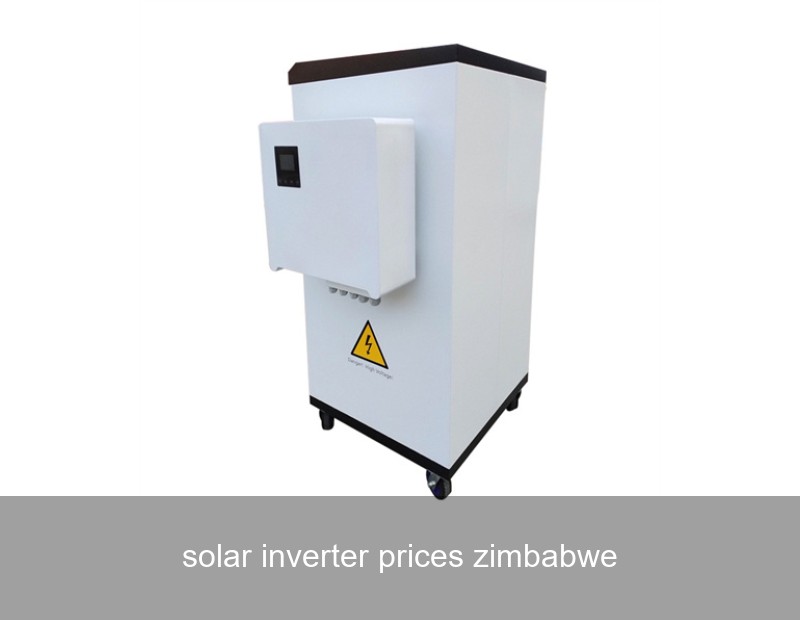
If you're exploring solar power in Zimbabwe, you've likely encountered a wide range of solar inverter prices. From surprisingly low quotes to premium figures, the market can be confusing. This price variation isn't random; it reflects critical differences in technology, reliability, and long-term value. For homeowners, farmers, and business owners across Harare, Bulawayo, and beyond, understanding these costs is the first step toward energy independence and resilience against load-shedding. This article will demystify solar inverter prices in Zimbabwe, helping you see beyond the initial quote to the true value of a reliable, efficient power solution.
Understanding the Solar Inverter Landscape and Its Costs
An inverter is the brain of your solar system. It converts the direct current (DC) electricity generated by your panels into the alternating current (AC) used by your appliances. In Zimbabwe, where grid power can be unreliable, the inverter's role expands—it must also manage energy flow from batteries, prioritize critical loads, and ensure seamless backup. The price you pay is a composite of its core functions: power rating (measured in kVA or kW), waveform quality (pure sine wave vs. modified sine wave), and whether it includes a built-in solar charge controller (making it a hybrid or all-in-one unit).
Key Factors Influencing Solar Inverter Prices
Let's break down what you're actually paying for. The final price tag is influenced by a combination of technical specifications, market dynamics, and ancillary costs.
1. Technical Specifications and Type
- Inverter Type: Basic off-grid inverters are generally less expensive than hybrid models, which can simultaneously manage solar panels, batteries, and the grid. The most advanced are grid-tie inverters with battery readiness, offering the highest efficiency and flexibility.
- Power Rating: A 5kVA system will cost significantly less than a 10kVA system. It's crucial to accurately size your system based on your load assessment.
- Waveform: Pure sine wave inverters, which produce clean power safe for sensitive electronics like laptops and medical equipment, command a higher price than modified sine wave models.
- Efficiency Rating: A 98% efficient inverter converts more solar energy into usable electricity than a 92% efficient one, meaning more savings on your energy bills over its 10-15 year lifespan.
2. Market and Operational Factors in Zimbabwe
- Import Duties and Logistics: As most inverters are imported, shipping costs, currency exchange rates, and import tariffs directly affect the retail price.
- Brand and Warranty: Established international brands with local warranty support and service centers often have higher upfront costs but lower long-term risk. A 10-year warranty from a reputable provider is a valuable asset.
- Installation and Balance of System (BOS): The inverter cost is typically 20-30% of a full system price. Remember to budget for quality batteries, solar panels, cabling, and professional installation by certified technicians.
| Inverter Type & Capacity | Typical Price Range (USD)* | Best Suited For |
|---|---|---|
| Off-Grid, Pure Sine Wave (3kVA) | $500 - $900 | Small homes, basic lighting, and TV |
| Hybrid Inverter (5kVA) | $1,200 - $2,200 | Medium homes with essential appliances during outages |
| Advanced Hybrid Inverter (8kVA-10kVA) | $2,500 - $4,500+ | Large homes, home offices, small businesses, and farms |
| Three-Phase Commercial Inverter (15kVA+) | $5,000+ | Commercial operations, industrial applications, and large-scale farming |
*Prices are indicative and vary based on brand, features, and supplier. Includes inverter unit only.
Looking Beyond the Price Tag: Quality and Long-Term Value
The cheapest inverter can become the most expensive purchase if it fails prematurely, damages connected appliances, or lacks proper support. Consider the Total Cost of Ownership (TCO):
- Durability: Can it withstand Zimbabwe's heat and voltage fluctuations? Look for robust thermal management and wide voltage input ranges.
- After-Sales Support: Is there a local technician who can service it? A slightly more expensive inverter with reliable local support saves immense hassle and cost down the line.
- Software and Monitoring: Advanced inverters offer smartphone monitoring, allowing you to track energy production, consumption, and savings in real-time—a feature that pays for itself in optimized usage.

Image Source: Wikimedia Commons (CC). Solar energy adoption is growing rapidly across Zimbabwe.
A Zimbabwean Case Study: The Real Cost of a Solar Investment
Let's examine a real-world scenario. A poultry farm outside Harare was facing crippling losses due to unpredictable power cuts, risking the loss of entire batches of chicks that require constant heating. In 2022, they invested in a 15kVA solar system with a high-efficiency hybrid inverter, lithium-ion batteries, and 12kW of solar panels.
- Initial Investment: Approximately $18,000 (Inverter & Battery System: ~$7,500).
- Outcome: The farm achieved 95% energy independence. Power for incubators, brooders, and lighting became reliable.
- Financial Impact: Eliminated diesel generator costs ($350/month), reduced grid electricity bills by 80%, and prevented an estimated $5,000 in potential livestock losses in the first year alone.
- Payback Period: The owner projected a full return on investment in under 4 years, based on savings and avoided losses. The system's 10+ year lifespan ensures years of essentially free, clean power thereafter.
This case highlights that the most critical metric isn't the solar inverter price in Zimbabwe, but the value it creates in terms of business continuity, savings, and risk mitigation. You can read more about the importance of reliable energy for agricultural development in regions like Sub-Saharan Africa from the World Bank.
Smart Solutions for Sustainable Power: How Highjoule Can Help
At Highjoule, with nearly two decades of experience as a global leader in advanced energy storage, we understand that every market has unique challenges. While our commercial and industrial solutions are deployed worldwide, the principles of smart, efficient, and resilient power are universal. For contexts like Zimbabwe, we emphasize the importance of system intelligence and durability.
Our approach to system design focuses on the core components that determine long-term success:
- Intelligent Energy Management: Our systems are built around inverters and controllers that act as an integrated brain, optimizing every kilowatt-hour from solar, battery, and grid. This maximizes efficiency and extends battery life—a crucial factor for overall cost savings.
- Modular and Scalable Design: We believe your power system should grow with your needs. Starting with a robust, correctly sized inverter platform allows for easier expansion of solar capacity or battery storage in the future, protecting your initial investment.
- Built for Resilience: Highjoule systems are engineered for harsh conditions, featuring wide operating temperature ranges and protection against grid instability. This durability is essential for ensuring a low total cost of ownership and uninterrupted power.
For larger-scale applications like agro-industries, mining support operations, or community microgrids, Highjoule's expertise in designing integrated storage solutions (BESS) that pair seamlessly with solar PV can provide the grid stability and backup power necessary for economic growth. Learn about the latest inverter and storage technologies from the U.S. Department of Energy.

Image Source: Unsplash. A modern rooftop solar installation highlighting key components.
Making the Right Choice for Your Energy Future
Navigating solar inverter prices in Zimbabwe requires a shift in perspective—from seeing it as a commodity purchase to viewing it as a strategic investment in resilience and savings. The right inverter, paired with quality components and professional installation, transforms solar energy from an alternative into a primary, reliable power source.
Ask potential suppliers detailed questions: What is the efficiency rating at partial load? Is the warranty valid locally? Can you provide references from similar installations? Request a detailed load analysis and a simulation of your potential energy generation and savings. Data from the International Renewable Energy Agency (IRENA) consistently shows that while upfront costs are a consideration, the levelized cost of electricity (LCOE) from solar is highly competitive and often the lowest-cost option long-term.
Your Next Step Towards Energy Independence
The conversation about power in Zimbabwe is changing. It's no longer just about coping with outages, but about proactively building a cleaner, more reliable, and self-sufficient energy foundation. What would the ability to power your home or business entirely on your own terms—free from grid uncertainty and rising fuel costs—allow you to achieve or create in the next five years?
 Inquiry
 Online Chat