


Solar Inverter Without Battery: Maximizing Sunlight for Immediate Energy Independence
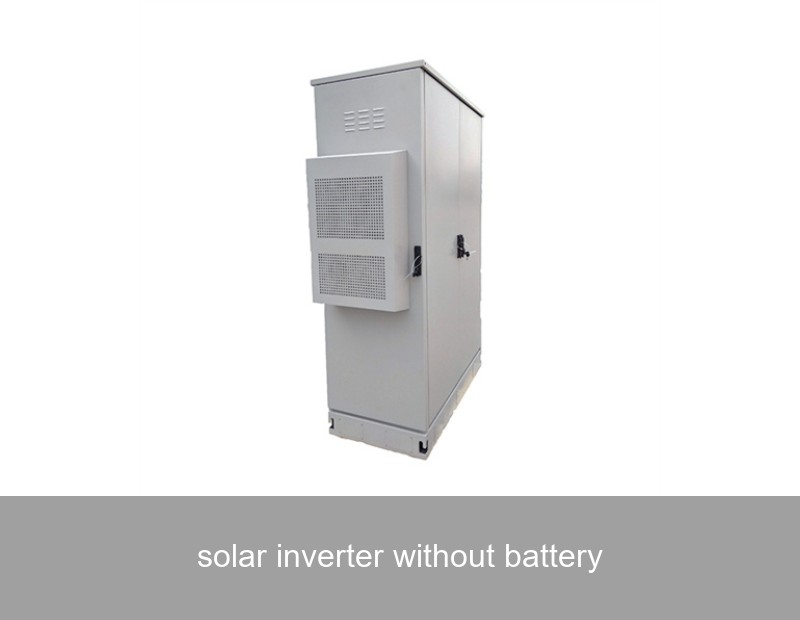
You've made the smart decision to go solar. Your panels are soaking up the sun, but have you ever wondered where all that clean energy actually goes the moment it's produced? This is where the critical, yet often misunderstood, component comes in: the solar inverter without battery. Unlike hybrid systems, a standalone solar inverter is the workhorse that converts the sun's DC power into usable AC for your home or business, feeding it directly to your appliances or back to the grid. For many in Europe and the US, this setup is the first and most efficient step toward energy independence. Let's explore how this technology works, its compelling benefits, and when it might be the perfect cornerstone for your renewable energy journey.
Table of Contents
What is a Solar Inverter Without a Battery?
In its simplest form, a solar inverter without battery—often called a grid-tied or string inverter—is the brain and converter of a direct solar panel system. Its sole job is to perform maximum power point tracking (MPPT) to harvest the most energy from your panels and instantly transform that direct current (DC) into alternating current (AC) that powers everything from your lights to your laptop. Think of it as a sophisticated, real-time translator for your solar array. There's no energy storage involved; the power is used on-site the instant it's produced, with any excess typically fed back into the public electricity grid, often earning you credits through net metering programs.
How Does a Battery-Less Solar System Work? The Daily Energy Dance
The operation is an elegant dance between your home, the inverter, and the grid. Let's break it down:
- Sunlight Hits Panels: Your photovoltaic (PV) panels generate DC electricity.
- Inversion Happens: The DC power travels to your grid-tied inverter, which converts it to clean AC power.
- Immediate Consumption: This AC power is sent directly to your home's main electrical panel (breaker box). Your active appliances and devices use this solar energy first.
- Grid Interaction: If your solar system produces more than you're using, the excess is exported to the utility grid. Conversely, at night or on cloudy days, you seamlessly draw power from the grid.

Image Source: Unsplash (Photographer: American Public Power Association)
This creates a dynamic, efficient flow of energy. According to data from the U.S. Department of Energy, grid-tied systems without storage make up the vast majority of residential and commercial solar installations due to their lower upfront cost and high efficiency, often exceeding 98% conversion rates in modern inverters.
Key Benefits of a Grid-Tied, Battery-Free System
Why do millions of homeowners and businesses start with this configuration? The advantages are clear and compelling:
- Lower Initial Investment: By eliminating the cost of battery storage—which can double a system's price—you achieve a faster return on investment (ROI).
- Maximum System Efficiency: With fewer energy conversions (no storing to DC battery and then inverting again), overall system losses are minimized. More of the sun's energy directly powers your loads.
- Simpler Maintenance: Fewer components mean fewer potential points of failure. A grid-tied inverter system is robust and requires minimal upkeep.
- Take Full Advantage of Net Metering: In regions with favorable net metering policies, your excess daytime production spins your meter backward, effectively using the grid as a "virtual battery" for credit.
However, it's crucial to understand the limitation: no backup power during grid outages. For safety reasons, standard grid-tied inverters shut down when the grid fails to prevent sending power to lines where utility workers may be making repairs.
A Real-World Case: The German Bakery Project
Let's look at a concrete example from Bavaria, Germany. A family-owned bakery with high daytime energy consumption for ovens, refrigeration, and lighting installed a 50 kWp solar PV system using advanced string inverters without battery storage. Their goal was to reduce soaring operational costs and lock in long-term energy predictability.
| Metric | Data |
|---|---|
| System Size | 50 kWp |
| Annual Solar Production | 52,000 kWh |
| Bakery's Daytime Self-Consumption | ~78% of solar production |
| Grid Export (Excess) | ~22% (sold via EEG feed-in tariff) |
| Reduction in Grid Power Draw | 65% in first year |
| Payback Period | Estimated 6-7 years |
The bakery's high daytime load profile was perfectly matched to solar production. By using a high-efficiency inverter system, they maximized self-consumption, turning sunlight directly into baked goods and chilled ingredients. The system's performance data, monitored via a cloud platform, showed peak inverter efficiency consistently above 98.5%. This case, documented in part by the Fraunhofer Institute for Solar Energy Systems ISE, highlights the ideal use-case for a battery-less approach: commercial operations with steady daytime demand.
Highjoule's Role: Intelligent Inversion for Modern Needs
At Highjoule, we understand that the inverter is the heart of any solar installation. Since 2005, we've been engineering advanced power conversion solutions that are both robust and smart. Our HJ-Series Grid-Tied Inverters are designed for scenarios where maximizing immediate solar consumption and reliability are the top priorities.
What sets our technology apart in a solar inverter without battery setup is integrated intelligence. Our inverters feature:
- Advanced Multi-MPPT Tracking: Even if parts of your roof are shaded at different times, our inverters optimize each string of panels independently, ensuring you don't lose production from your entire array.
- Grid-Supportive Functions: They provide essential grid services like voltage and frequency regulation, contributing to overall grid stability—a feature increasingly valued by utilities in both Europe and North America.
- High-Resolution Monitoring: Our user-friendly Highjoule Energy Portal gives you real-time and historical insights into every kilowatt-hour produced and consumed, empowering you to make informed decisions about your energy habits.

Image Source: Unsplash (Photographer: ThisisEngineering)
For businesses, like the German bakery, or homeowners with predictable daytime usage, our inverters provide the foundational technology for a cost-effective and high-performance solar system. And for those whose needs evolve, our platform is designed to be future-ready, allowing for the potential later integration of Highjoule battery storage systems, creating a seamless hybrid solution when the time is right.
Is a Solar Inverter Without a Battery Right for You? Ask These Questions
Choosing the right system architecture depends on your unique energy profile and goals. To decide if a solar inverter without battery is your optimal starting point, consider this checklist:
- What are your primary goals? (Immediate bill reduction vs. backup power)
- What is your daytime energy consumption like? (Are you home using power, or is your business operating during the sunniest hours?)
- How reliable is your local grid? (Frequent outages shift the calculus toward storage.)
- What net metering or feed-in tariff policies are available in your area? (A favorable policy makes exporting excess solar more valuable.)
The energy landscape is dynamic. A report from the International Energy Agency (IEA) notes that while solar PV capacity is soaring globally, system design is becoming more tailored. The most economical and sustainable solution isn't always the one with the most components; it's the one that best matches your consumption patterns.
Looking Forward: Your Energy Ecosystem
Starting with a high-quality, intelligent grid-tied inverter from a provider like Highjoule establishes a powerful and efficient core for your solar investment. It allows you to capture the financial and environmental benefits of solar today, with a clear pathway to adapt as technology advances and your needs change. The journey to energy independence isn't one-size-fits-all. It begins with understanding the flow of power from your roof to your outlets.
What does your daily energy consumption curve look like, and how could it align with the sun's path over your home?
 Inquiry
 Online Chat