


Solar Inverters for Home: The Intelligent Heart of Your Energy Independence
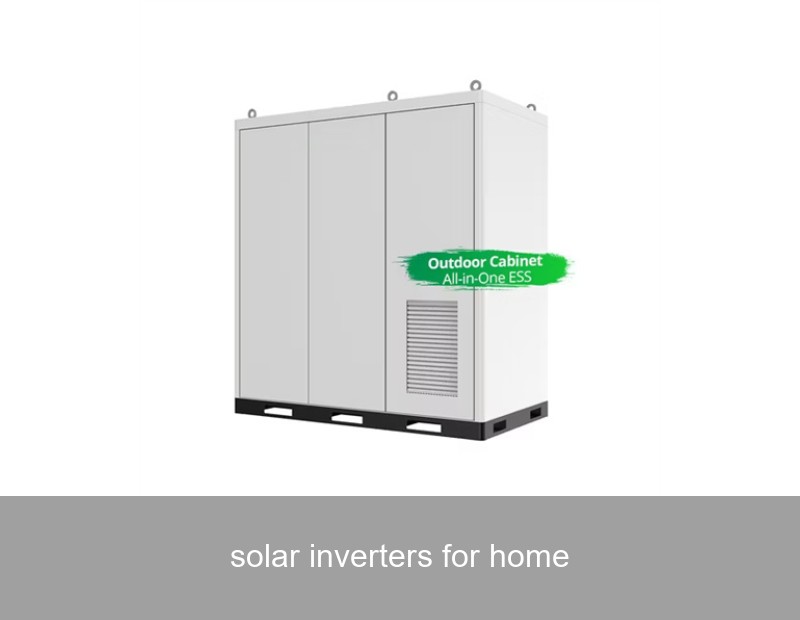
You've made the smart decision to install solar panels on your roof. They're capturing the sun's free energy beautifully. But here's a question: how does that raw sunshine actually become the clean, usable electricity that powers your TV, charges your EV, and keeps the lights on? The answer, and arguably the most critical component of your entire home solar system, is the solar inverter for home. Think of it as the brain and the translator of your solar setup, working tirelessly behind the scenes to maximize your investment and energy freedom. In this guide, we'll demystify this essential technology and explore how choosing the right one can transform your home's relationship with energy.
Table of Contents
- What is a Solar Inverter for Home?
- Why Your Inverter Choice is More Important Than You Think
- Types of Home Solar Inverters: Finding Your Perfect Match
- Key Features to Look for in a Modern Solar Inverter
- The Future is Integrated: Beyond Basic Inversion
- Choosing Your Partner in Energy Independence
What is a Solar Inverter for Home?
In simple terms, a solar inverter is a power electronic device that performs a crucial conversion. Your solar panels generate Direct Current (DC) electricity. However, every appliance in your home, and the wider grid, operates on Alternating Current (AC). The inverter's primary job is to convert that DC power into high-quality, grid-compliant AC power. But that's just the baseline. Today's advanced solar inverters for home are intelligent energy managers. They optimize performance, monitor system health, facilitate safe interaction with the utility grid, and, when paired with batteries, form the core of a resilient home energy system.
Why Your Inverter Choice is More Important Than You Think
It's a common pitfall to focus solely on panel wattage and overlook the inverter. The reality is that the inverter directly impacts your system's efficiency, reliability, and long-term financial return. A low-quality inverter can bottleneck energy production, even from premium panels. According to data from the National Renewable Energy Laboratory (NREL), inverter performance and software can affect overall system energy output by 5-15% over its lifetime. That's a significant amount of potential savings left unrealized. Furthermore, as grid services evolve, a capable inverter is your gateway to future energy management capabilities, like participating in virtual power plants or optimizing for dynamic electricity tariffs.
Types of Home Solar Inverters: Finding Your Perfect Match
Not all inverters are created equal. The right choice depends on your roof configuration, shading, budget, and future plans. Here are the three main types:
| Type | How It Works | Best For | Pros & Cons |
|---|---|---|---|
| String Inverters | Panels are connected in a series "string," sending DC to a single, centralized inverter. | Simple roof layouts with minimal shading; cost-effective systems. |
|
| Microinverters | A small inverter is attached to each individual solar panel, converting DC to AC right on the roof. | Roofs with complex shapes, partial shading, or plans for gradual expansion. |
|
| Hybrid/Battery-Ready Inverters | Advanced inverters designed from the ground up to integrate seamlessly with battery storage. | Homeowners wanting energy storage from day one or planning to add batteries soon. |
|

Image Source: Unsplash (Representative image of a modern inverter unit)
Key Features to Look for in a Modern Solar Inverter
Beyond the basic type, here's what separates a good inverter from a great one:
- High Efficiency (>97%): Look for peak and weighted efficiency (CEC efficiency in the US, Euro efficiency in EU). Every percentage point matters.
- Robust Monitoring Software: A user-friendly app that shows real-time production, historical data, and system health is non-negotiable for informed homeowners.
- Grid Support Functions: Features like voltage and frequency ride-through, mandated in many grid codes, help keep the grid stable as renewable penetration grows.
- Warranty and Support: A 10+ year warranty is standard, with extended options available. Consider the manufacturer's global reputation for service.
At Highjoule, we engineer our HPS Series Hybrid Power Systems with these principles at their core. They are not just inverters; they are unified energy platforms. Combining a high-efficiency, multi-mode inverter with intelligent battery management and grid-forming capabilities, the HPS is designed for homeowners who see their system as a long-term investment in resilience and control. It allows you to intelligently decide when to use solar power, store it, or sell it back, all managed through our intuitive Highjoule EnergyOS platform.
Case Study: A German Household's Journey to 80% Self-Consumption
Let's look at a real example from Bavaria, Germany. The Müller family installed a 8.2 kWp solar array in 2020 with a standard string inverter. Their self-consumption rate—the portion of solar energy used directly in the home—was around 35%. The rest was exported to the grid at a feed-in tariff lower than the retail electricity price.
In 2023, seeking greater independence amidst volatile energy prices, they retrofitted a Highjoule HPS-6 hybrid system with a 10 kWh lithium-ion battery. The results, monitored over one year, were transformative:
- Self-Consumption Rate: Increased from 35% to 82% annually.
- Grid Import Reduction: Reduced purchased electricity by 78%.
- Backup Power: The system automatically provides essential load backup during the region's occasional grid outages.
"The game-changer was the inverter's smart energy management," notes Herr Müller. "It doesn't just push power out; it learns our daily patterns and coordinates between the panels, battery, and our home appliances. Our energy bill is now predictable and minimal." This case underscores that the right inverter technology is key to unlocking true energy self-reliance.

Image Source: Unsplash (Representative image of a family engaging with energy data)
The Future is Integrated: Beyond Basic Inversion
The next-generation solar inverter for home is evolving into a home's energy hub. We're talking about systems that integrate electric vehicle charging, manage smart home devices based on solar availability, and can even form microgrids with neighbors. Standards like the SunSpec Alliance are driving interoperability. Highjoule is at the forefront of this shift. Our systems are designed with open-architecture principles, allowing for future upgrades and integration with a wide ecosystem of smart home and grid service applications, ensuring your investment is protected for the long haul.
Choosing Your Partner in Energy Independence
Selecting your solar inverter is more than a technical specification—it's choosing the intelligence layer for your home's energy future. It's about partnering with a technology provider whose vision aligns with yours: not just generating power, but managing it wisely for maximum savings, resilience, and sustainability.
So, as you plan your journey to energy independence, ask yourself this: Do you want a simple converter, or an intelligent energy manager that will serve as the cornerstone of your sustainable home for the next two decades? What role do you see your home playing in the broader, cleaner energy grid of the future?
 Inquiry
 Online Chat