


Solar Now Prices in Uganda: A Gateway to Energy Independence and Economic Growth
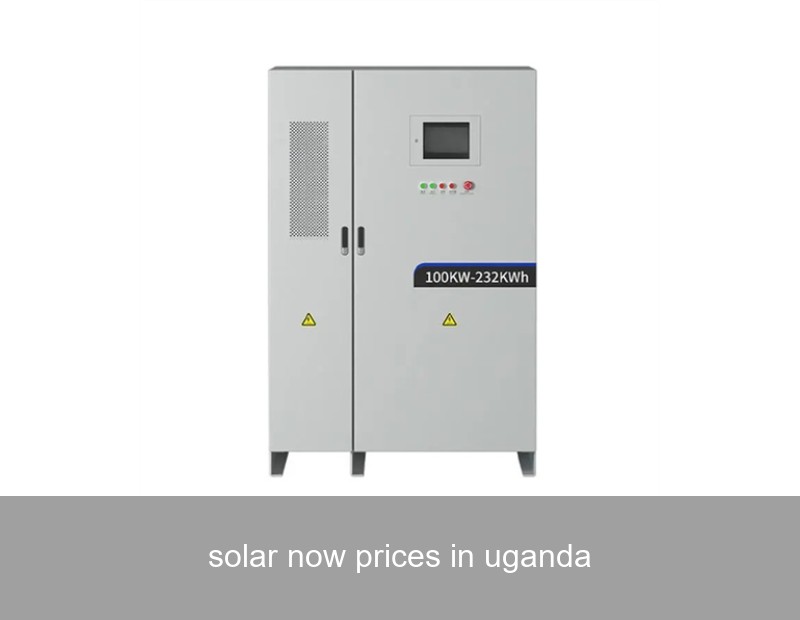
When we talk about the global energy transition, the conversation often centers on cutting-edge markets in Europe and North America. But look a little closer, and you'll find some of the most transformative solar energy stories unfolding in places like Uganda. Here, "solar now prices in Uganda" isn't just a search term; it's a critical inquiry into affordability, accessibility, and a sustainable future. Driven by abundant sunshine and a pressing need to bridge the energy access gap, Uganda's solar landscape is evolving rapidly. For businesses, communities, and homeowners, understanding the current cost dynamics of solar photovoltaic (PV) and, crucially, the battery storage systems that make it reliable, is the first step toward true energy independence. This article delves into the realities of solar power in Uganda, examining the trends, the economics, and the innovative solutions that are making clean, reliable power a tangible reality.
Table of Contents
The Phenomenon: Uganda's Solar Surge
Uganda enjoys an estimated 5.1 kWh/m² of solar irradiance daily, a resource far superior to many European nations. Yet, grid connectivity remains a challenge, especially in rural areas. This paradox of plenty has fueled a vibrant off-grid and mini-grid solar market. The driving force? A significant drop in the price of solar PV panels globally over the past decade. However, the headline "solar panel price" is only part of the story. The true cost of a functional solar power system—one that provides electricity after sunset or during cloudy periods—hinges on several key components.

Image Source: Unsplash - Representative image of solar deployment in East Africa.
Breaking Down Solar Now Prices in Uganda
So, what does a solar power system cost in Uganda today? Prices vary based on scale and quality. A simple small-scale home system might start around $300-$500. For a robust commercial or industrial system designed for significant load, the investment can range from $15,000 to over $100,000. Let's break down the core components:
- Solar PV Modules: Often the most visible part, prices have stabilized at relatively low levels. Efficiency and durability are key differentiators.
- Inverters: These devices convert the DC power from panels into usable AC power. Their quality dictates system efficiency and longevity.
- Mounting Structures & Balance of System (BOS): This includes wiring, switches, and safety gear. Proper installation is non-negotiable.
- The Critical Component: Battery Energy Storage Systems (BESS): This is where the real value—and a significant portion of the cost—is realized today.
| Component | Percentage of Total System Cost | Notes |
|---|---|---|
| Solar PV Panels | ~25-35% | Costs have decreased significantly; focus on tier-1 manufacturers. |
| Inverter(s) | ~15-20% | Hybrid inverters (for storage) are essential for modern systems. |
| Battery Energy Storage System (BESS) | ~30-40% | The key to 24/7 power. Technology (Li-ion vs. Lead-acid) and capacity are major cost drivers. |
| Balance of System & Installation | ~15-25% | Quality here ensures safety, performance, and system lifespan. |
The Storage Imperative: Why Solar Needs a Partner
Think of it this way: solar panels are excellent energy generators, but they're not night owls. Without storage, a business must still rely on the grid or a diesel generator when the sun goes down. This is where the conversation about "solar now prices in Uganda" gets real. The levelized cost of electricity (LCOE) from solar plus storage must compete with or beat the cost of grid power (where available and reliable) and diesel. The good news? While battery storage represents an upfront cost, intelligent, high-cycle lithium-ion systems have dramatically reduced the long-term cost per kWh stored. The return on investment comes from dodging expensive diesel fuel, avoiding grid outages, and enabling productive, revenue-generating hours after dark.
Case Study: Solar & Storage Powering a Ugandan Agri-Business
Let's look at a real-world example. Green Valley Fruit Processors, a medium-sized export company near Kampala, faced crippling grid instability and spent over $18,000 monthly on diesel for backup generators. Their processing and cold storage operations were at constant risk.
Solution & Data: In 2023, they installed a 250 kW solar PV array coupled with a 500 kWh lithium-ion battery energy storage system. The system was designed to power their entire cold storage facility and critical processing lines.
- Diesel Savings: Diesel consumption dropped by 92% in the first year, saving approximately $199,000 annually.
- ROI: The project's payback period was calculated at just under 4 years, considering available financing and incentives.
- Reliability: Production downtime due to power issues fell to near zero, ensuring contract fulfillment and reducing spoilage.
- Emission Reduction: The project avoids an estimated 450 tonnes of CO2e annually, aligning with their buyers' sustainability requirements.
This case underscores that the relevant metric isn't just the price of solar panels, but the total cost and value of a resilient, solar-plus-storage solution. You can explore more on the importance of renewable energy in developing economies through resources like the International Energy Agency's Africa Energy Outlook 2022.

Image Source: Unsplash - Representative image of a commercial battery storage system.
The Highjoule Role: Delivering Intelligent Storage for Resilient Power
This is where a global leader like Highjoule becomes a pivotal partner. Since 2005, Highjoule has specialized in designing and deploying advanced, intelligent Battery Energy Storage Systems (BESS) precisely for scenarios like those in Uganda. We understand that our customers aren't just buying batteries; they're buying reliability, predictability, and control over their energy costs.
For our commercial and industrial clients in markets like Uganda, Highjoule's HI-Stack C&I Series offers a modular, containerized solution. Its key advantages include:
- Advanced Lithium-Ion Technology: High energy density, long cycle life (exceeding 6000 cycles), and deep discharge capability perfect for daily solar cycling.
- Integrated Energy Management System (EMS): The brain of the operation. Our EMS intelligently decides when to store solar energy, when to discharge it, and when to optionally blend with grid or generator power, maximizing savings and system lifespan.
- Robust Design: Built to withstand harsh climates, with thermal management systems ensuring performance in Uganda's heat.
- Remote Monitoring & Support: Highjoule's global team can monitor system health and performance remotely, providing proactive support and maximizing uptime.
By integrating a Highjoule BESS, the effective "solar now price" transforms from a capital expense into a strategic investment with a clear, quantifiable financial return. For micro-grid developers, our solutions provide the grid-forming stability needed to power entire communities reliably. Learn about battery technology trends from authoritative sources like NREL's ongoing cost analyses.
The Future Outlook and Your Next Step
The trend is clear: the combined cost of solar PV and lithium-ion storage will continue to become more competitive. Government policies and international financing are increasingly supporting these projects. The question for a business owner, farm manager, or community leader in Uganda is no longer if solar plus storage makes sense, but how to implement it correctly for their specific load profile and financial goals.
The most common pitfall is undersizing or selecting low-quality storage that fails prematurely, undermining the entire investment. Partnering with a technology provider that offers proven, intelligent, and durable storage is the cornerstone of success.
So, as you evaluate "solar now prices in Uganda," what specific energy challenge—be it unpredictable diesel costs, grid instability, or a desire to operate sustainably—will you solve first with a resilient solar-plus-storage system?
 Inquiry
 Online Chat