


How Much Value Does a Solar Panel Add? A Homeowner's Guide to Energy and Equity
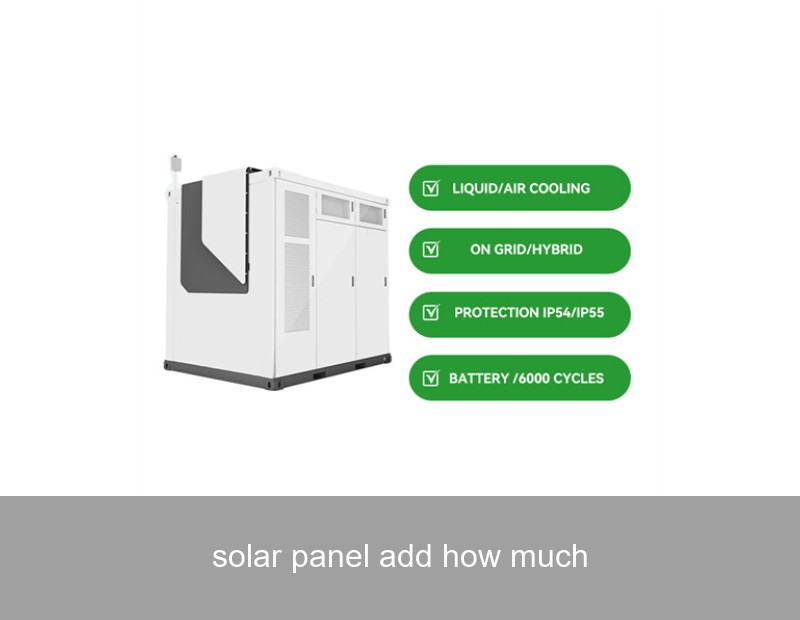
You're considering solar panels. The promise of clean energy and lower bills is compelling, but a significant question remains: how much value does a solar panel add beyond the monthly savings? Is it a smart financial upgrade for your home, or just an expensive gadget? The answer lies in a powerful combination of immediate utility savings, long-term property value increase, and energy independence. Let's unpack the real, quantifiable benefits of adding solar to your home.
Table of Contents
The Phenomenon: More Than Just Electricity
For decades, a home's value was tied to location, size, and traditional amenities. Today, a new category has emerged: energy performance. A solar photovoltaic (PV) system transforms your roof from a passive shield into an active, income-generating asset. It's not merely about producing kilowatt-hours (kWh); it's about adding a solar panel that fundamentally changes your home's economic profile. Homebuyers are increasingly aware of volatile utility costs and environmental impact, making a solar-equipped home a standout in the market. The value addition comes from three streams: direct energy bill savings, protection against future rate hikes, and the premium buyers are willing to pay for a modern, sustainable home.
The Data: What Studies and Markets Reveal
Multiple authoritative studies have quantified the premium. Research from the U.S. Department of Energy's Lawrence Berkeley National Laboratory has consistently shown that homes with solar PV systems sell for more than comparable homes without. The exact premium varies by market, system size, and age, but a widely cited figure is an average increase of about 4% in home value. Let's break that down with some tangible numbers.
| Home Value (Before Solar) | System Size & Cost | Estimated Value Add (4%) | Net Value Gain |
|---|---|---|---|
| $500,000 | 8 kW system ($24,000) | $20,000 | See Note* |
| $750,000 | 10 kW system ($30,000) | $30,000 | See Note* |
| $1,000,000 | 12 kW system ($36,000) | $40,000 | See Note* |
*Note: The "Net Value Gain" requires a more nuanced calculation. It must factor in local incentives, the remaining 26-30% federal tax credit (in the U.S.), and ongoing energy savings, which often mean the system pays for itself well before you sell. The key takeaway is that a significant portion of your initial investment is recouped in home equity.
Furthermore, a Zillow study found homes with solar-energy systems sold for 4.1% more on average. In high-cost, energy-conscious markets like the San Francisco Bay Area or major European cities like Berlin and Amsterdam, this premium can be even more pronounced. The value is also protected and enhanced when the system includes a critical component: energy storage.

This is where the complete energy solution comes into play. Companies like Highjoule, a global leader in advanced energy storage systems since 2005, understand that true value is unlocked when generation meets control. Their Highjoule Home Energy System integrates seamlessly with new or existing solar panels. It doesn't just store excess solar energy; it intelligently manages when to use it, sell it back to the grid, or keep it as backup power. This turns a solar-only system from a one-trick pony into a resilient, money-optimizing powerhouse, a feature that appraisers and buyers are starting to formally recognize.
The Case Study: A Real-World Example from California
Let's move from national averages to a concrete example. Consider a family in Sacramento, California, a state with high electricity rates (averaging around $0.28/kWh) and strong solar adoption.
- The Situation: A 2,200 sq. ft. home valued at $850,000 without solar. Annual electricity bill: $3,200.
- The Upgrade: In 2022, they installed a 9.6 kW solar PV system coupled with a Highjoule 13.5 kWh lithium-ion battery storage unit.
- The Financials: Total system cost after the federal tax credit was approximately $32,000. Their monthly electric bill dropped to a minimal $10 grid-connection fee, saving about $3,000 annually.
- The Value Add Event: When they decided to sell in early 2024, the home was appraised. The appraiser, using comparable sales (comps) of homes with similar solar+storage systems, added a premium of $38,000 to the home's value. This is a 4.5% increase on the original value.
- The Outcome: The sellers not only enjoyed nearly two years of nearly free electricity but also recouped more than the net cost of their system in increased home equity. The listing specifically highlighted the "Highjoule battery-backed solar system providing energy security and utility independence," which became a key selling point in a competitive market.
This case underscores a vital insight: the value addition is most robust and defensible when the system is owned (not leased), properly permitted, and includes storage for resilience.
Why Storage is the Game-Changer
Solar panels alone add value, but pairing them with storage like a Highjoule system multiplies it. Think of it this way: solar gives you a income (energy) during the day. Storage is your savings account, letting you use that income at night or during a blackout. For the European and U.S. markets facing increasing grid instability and time-of-use rates, this is priceless. It transforms your home into a personal microgrid.
The Insights: Maximizing Your Solar Investment
So, how much value does a solar panel add? The final number depends on your strategy. Here are the key factors that determine the premium:
- System Ownership: Owned systems add full value; leased systems can complicate sales.
- Local Electricity Rates: Higher rates (like in parts of Europe and the U.S. Northeast and California) mean greater savings and thus higher value.
- Market Maturity: In areas where solar is common, appraisers and buyers understand its worth better.
- System Size & Quality: A right-sized, professionally installed system from a reputable provider like Highjoule ensures performance and longevity.
- The Presence of Storage: This is the cutting-edge differentiator. As noted by the International Energy Agency (IEA), the integration of storage is key to maximizing solar's grid and individual value.

Highjoule's expertise in providing smart, efficient, and sustainable power solutions for residential applications means their systems are designed with these value drivers in mind. Their technology doesn't just store energy; it provides intelligent energy management, allowing homeowners to customize usage based on tariff schedules and personal consumption patterns, thereby maximizing return on investment.
Your Next Step Towards Energy Independence
The evidence is clear: adding solar panels, especially when paired with intelligent storage, is one of the few home improvements that pays you back monthly and pays off substantially when you sell. It's an upgrade to your home's core infrastructure, akin to a renovated kitchen or a new roof, but with the unique benefit of generating ongoing revenue. The initial question shifts from "How much does it cost?" to "How much value can I create?"
What specific energy challenges in your home—whether it's unpredictable bills, frequent outages, or a desire for a smaller carbon footprint—could a tailored solar-plus-storage solution from a trusted provider like Highjoule solve for you today?
 Inquiry
 Online Chat