


Essential Solar Panel Installation Materials for a Durable and Efficient System
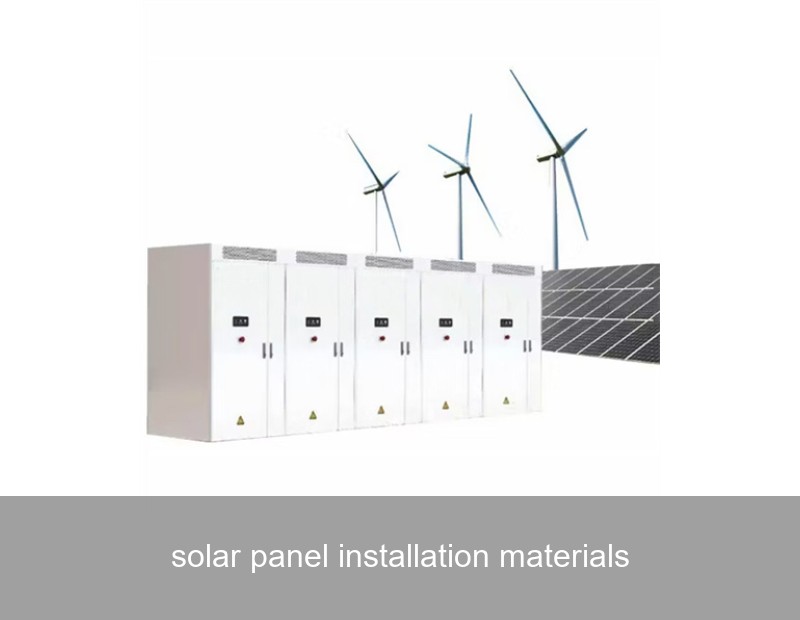
So, you've decided to harness the sun's power. It's a smart move for your wallet and the planet. But here's something many new to solar don't fully realize: the long-term performance and safety of your system depend as much on the solar panel installation materials as on the panels themselves. Think of it like building a house; you need more than just beautiful bricks. The foundation, the framework, and the roofing are what make it stand strong for decades. In this guide, we'll demystify the critical hardware and components that form the backbone of any quality solar installation, ensuring your investment is protected and optimized from day one.
The Foundation: Racking and Mounting Systems
This is where your installation literally meets the roof or the ground. The racking system is the unsung hero, quietly holding everything in place against wind, snow, and time.
- Roof Mounts: These must be compatible with your roofing material (asphalt shingle, tile, metal, flat roof). Key components include flashing, lag bolts, and rails. High-quality, corrosion-resistant aluminum alloy is the industry standard for longevity.
- Ground Mounts: For larger systems or properties without suitable roof space. These require galvanized steel posts set in concrete foundations. The choice of steel gauge and foundation depth is critical for structural integrity.
- Clamps and Fasteners: Often overlooked, these small parts are vital. They must securely hold the panels without creating stress points ("pinch points") that could crack the glass over years of thermal expansion.
A superior mounting solution does more than just hold panels. It allows for optimal airflow (cooling panels increases efficiency), provides precise angle adjustment, and integrates seamlessly with the rest of the system. At Highjoule, our integrated storage solutions are designed to work in harmony with these mechanical systems, ensuring that both generation and storage infrastructures are robust and compatible.
The Lifelines: Electrical Components and Wiring
Once the panels are mounted, the generated electricity needs a safe and efficient path to your home or battery. This is where cutting corners can lead to significant energy loss or safety hazards.
| Component | Critical Function | Material/Quality Consideration |
|---|---|---|
| DC/AC Inverters | Converts the panels' direct current (DC) to usable alternating current (AC). | Efficiency rating (look for >98%), thermal management, and smart grid capabilities. |
| DC & AC Cable | Transports electricity with minimal resistance loss. | UV-resistant, weatherproof insulation (e.g., cross-linked polyethylene) and correct wire gauge (thickness) for the current. |
| Conduit & Junction Boxes | Protects wiring from physical damage and weather. | Durable, water-tight materials. Junction boxes should have high IP (Ingress Protection) ratings. |
| Disconnect Switches | Allows for safe system shutdown for maintenance or emergencies. | UL-listed or equivalent regional certification for safety. |
It's worth noting that for systems paired with storage, the choice of inverter becomes even more crucial. Hybrid inverters or dedicated storage inverters are needed. This is a core strength of Highjoule. Our IntelliHub energy management system acts as the central nervous system, intelligently directing DC power from the panels to either immediate use, the AC grid, or straight into our EnerCore battery storage units with exceptional efficiency, minimizing conversion losses that inferior components can introduce.
The Brain: Monitoring and Optimization Tech
Modern solar is intelligent. The days of just hoping your system is working are over. The right "soft" materials—sensors, communication hardware, and software—turn a static installation into a dynamic energy asset.
- Production Meters: Track total energy generated.
- Consumption Meters: Monitor your home's energy use in real-time.
- Power Optimizers or Microinverters: Installed at each panel, these maximize output from every individual panel (especially useful in shaded areas) and provide module-level monitoring.
With Highjoule's platform, this data doesn't just sit on an app. It drives action. Our system can automatically decide when to store solar energy, when to use it, and when to sell it back to the grid based on real-time rates and consumption patterns, maximizing your financial return. This level of optimization is now considered essential for a truly modern installation.
Case Study: Material Choices Impact on ROI in Bavaria
Let's look at a real-world example. A medium-sized dairy farm in Bavaria, Germany, installed a 100 kW rooftop solar system in 2020 to offset high energy costs from refrigeration. The installer faced two quotes: one using standard aluminum rails and a central inverter, and another using a reinforced, lightweight mounting system paired with module-level power optimizers.
The Choice & The Data: The farm chose the latter, more premium material package. The reinforced racking allowed for optimal spacing and airflow on their large, flat roof section. The power optimizers mitigated losses from early morning shading from a silo. According to the system's own monitoring, published in an anonymized Fraunhofer ISE report, these material choices led to a 5.7% higher annual energy yield compared to the projected yield of the standard package. Over the system's 25-year lifespan, this marginal gain translates to tens of thousands of euros in additional energy savings, far outweighing the initial premium.

This case underscores a vital lesson: the right solar panel installation materials are an investment, not just a cost. They directly enhance yield, durability, and ultimately, the payback period of your entire solar project.
Future-Proofing Your Installation: The Storage Readiness Factor
One of the biggest questions we get at Highjoule is, "Should I add a battery now or later?" Our answer is always: "Design for it now." This mindset fundamentally changes your material checklist.
- Inverter Choice: Installing a hybrid-ready or storage-ready inverter from the start avoids a costly replacement later.
- Electrical Panel & Wiring: Ensure your main panel has space for a critical loads sub-panel or that conduit paths for future battery connections are considered.
- Physical Space: Allocate protected, temperature-stable space (like a garage or utility room) for the future battery unit during the initial planning phase.
By integrating Highjoule's EnerCore battery systems from the outset, or at least preparing for it, homeowners and businesses create a truly resilient energy ecosystem. When the grid falters, or when electricity prices spike in the evening, your high-quality solar installation materials work in concert with intelligent storage to keep the lights on and costs down. For deeper insights into storage technology, the U.S. Department of Energy provides excellent foundational resources.
Your Next Step: Asking the Right Questions
Armed with this knowledge, your conversation with any installer should go beyond just the panel brand and price per watt. Here are a few powerful questions to ask:
- "Can you detail the specific brands and models of the racking, inverters, and wiring you plan to use?"
- "How does your mounting system account for wind uplift specific to my region's building code?"
- "Is the inverter compatible with battery storage add-ons from leading providers like Highjoule?"
- "What level of system monitoring do you provide, and can it integrate with home energy management systems?"
Remember, a solar power system is a 25+ year investment. The quality of the solar panel installation materials is the single greatest determinant of its lifelong performance and reliability. It's the difference between a system that merely works and one that works optimally, resiliently, and intelligently for decades to come.
What specific challenge about your property's layout or energy goals makes you most curious about finding the perfect material solution for your potential solar installation?
 Inquiry
 Online Chat