


Solar Panels and Battery Systems: The Complete Guide to Energy Independence
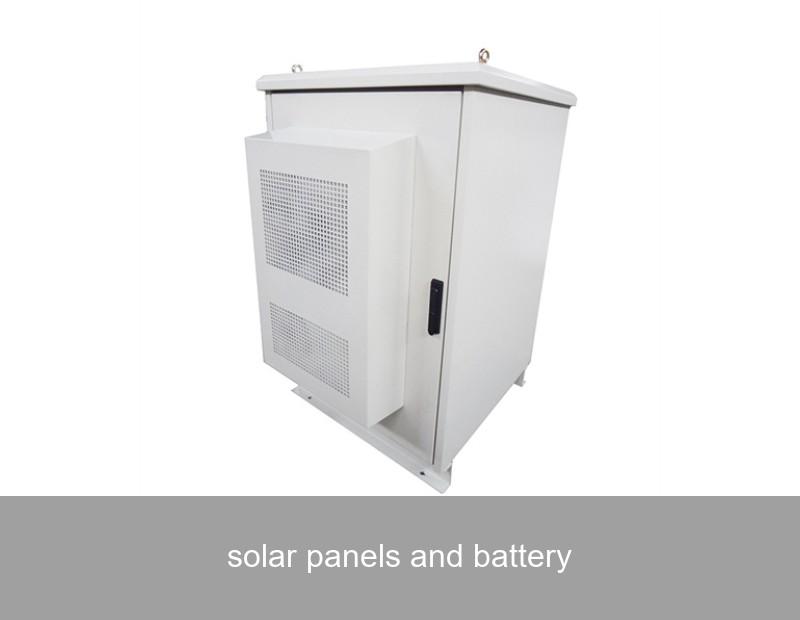
For years, the dream of clean, self-generated power has been symbolized by rooftop solar panels. And for good reason—they're a marvel of engineering, silently converting sunlight into electricity. But if you've already made the smart move to solar, or are considering it, you might have heard a crucial piece of advice: to truly maximize your investment, you need to pair your solar panels and battery storage. This isn't just an add-on; it's a transformative upgrade that shifts your solar system from a daylight contributor to a 24/7 personal power plant. Let's explore why this combination is revolutionizing how homes and businesses think about energy.
The Grid Challenge: More Sun Doesn't Always Mean More Power
Here's the common scenario: your solar panels work hardest in the middle of the day, often producing more energy than your home can use. Traditionally, this excess is sent back to the grid, often for a credit. Conversely, in the evening when the sun sets and energy demand peaks, you draw power back from the grid. This creates a fundamental mismatch.
Consider this data: In sun-rich states like California, the California Independent System Operator (CAISO) famously charts the "Duck Curve," which shows the steep ramp-up in grid demand just as solar production plummets in the late afternoon. This phenomenon puts stress on the grid and highlights the limitation of solar-only systems. You're generating clean power, but not necessarily when you need it most.

Image Source: Wikimedia Commons, illustrating the CAISO Duck Curve.
How Batteries Unlock True Solar Independence
This is where the battery enters the equation, changing the entire energy dynamic. Think of it as a high-tech energy savings account. Instead of exporting your midday solar surplus, you store it. Then, during peak evening hours, during a grid outage, or on a cloudy day, you draw from your personal reserve.
The benefits are compelling:
- Energy Security: Keep the lights on during power outages. A system with a battery can provide critical backup power, a feature becoming increasingly valuable as extreme weather events rise.
- Maximized Self-Consumption: Use more of the solar energy you produce, sometimes increasing the direct usage from 30-40% to 70% or more, dramatically reducing your reliance on the utility grid.
- Financial Savings: In regions with Time-of-Use (TOU) rates or demand charges (common for businesses), you can avoid drawing expensive grid power during peak periods by using your stored energy.
- Grid Support: By reducing evening grid demand, you contribute to a more stable and resilient community energy infrastructure.
Real-World Impact: A Case Study from California
Let's look at a real example. A medium-sized commercial bakery in San Diego, California, faced high operational costs due to refrigeration and industrial ovens. They installed a 250 kW solar array but still faced crippling "demand charges" from short spikes in evening power use. By integrating a 500 kWh lithium-ion battery storage system, they could strategically discharge the battery during those peak demand windows.
The result? Their monthly demand charges were reduced by over 60%. Furthermore, during a planned utility outage for grid maintenance, the bakery was able to operate normally using its solar panels and battery system, avoiding an estimated $15,000 in lost production and spoiled goods. This case, echoed by many in the National Renewable Energy Laboratory (NREL) reports, demonstrates the tangible economic and operational resilience this technology provides.
Choosing the Right System for Your Home or Business
Not all solar panels and battery systems are created equal. Key considerations include:
| Consideration | Question to Ask | Why It Matters |
|---|---|---|
| Battery Capacity (kWh) | How much energy can it store? | Determines how long it can power your essential loads during an outage. |
| Power Rating (kW) | How much power can it deliver at once? | Defines how many appliances (e.g., AC, fridge, oven) can run simultaneously. |
| Depth of Discharge (DoD) | What percentage of the battery can be safely used? | A higher DoD means more usable energy from the same physical battery. |
| System Intelligence | Can it optimize for weather, tariffs, and usage patterns? | Smart software can maximize financial returns and system efficiency automatically. |
Highjoule's Intelligent Solutions: Beyond Basic Storage
This is where Highjoule's expertise, honed since 2005, becomes critical. We don't just provide components; we deliver integrated, intelligent energy ecosystems. For the homeowner, our Highjoule HomePower system seamlessly integrates with your existing or new solar panels. Its AI-driven energy management system learns your habits, forecasts weather, and automatically decides the most economical moment to store or discharge energy, ensuring you get the maximum benefit from every sunbeam.

Image Source: Unsplash, depicting a modern home with solar and storage.
For commercial and industrial clients, the stakes and savings are even greater. Our Highjoule GridMax series is engineered for scale and sophistication. These modular battery energy storage systems (BESS) can be configured for peak shaving, demand charge management, and even participation in grid services programs. A European manufacturing plant using GridMax, for instance, not only shields itself from volatile energy prices but also generates revenue by providing frequency regulation services to the local grid, turning an energy cost center into a value stream.
Our systems are built with safety, longevity, and cycle life as paramount concerns, using the latest in lithium-iron phosphate (LFP) chemistry for enhanced stability and lifespan.
Future Horizons: What's Next for Solar and Storage?
The journey doesn't stop at pairing solar panels and battery. We're moving towards integrated microgrids where multiple homes and businesses share community storage resources. Vehicle-to-Grid (V2G) technology will see your electric vehicle become a mobile battery asset. The convergence of software and hardware, driven by companies focused on deep system intelligence like Highjoule, will make energy systems fully autonomous and adaptive.
As the International Energy Agency (IEA) notes, energy storage is the keystone technology for the clean energy transition. It's the enabler that allows renewable sources like solar to become truly dispatchable and reliable.
So, whether you're a homeowner tired of blackouts and rising bills, or a business manager tasked with sustainability goals and cost control, the question is no longer just about generating clean energy. It's about controlling it. What would you power first with your own personal energy reserve?
 Inquiry
 Online Chat