


Harnessing the Sun: A Guide to Paneles Solares en Costa Rica and Sustainable Energy Independence
Costa Rica, a global leader in renewable energy, is witnessing a remarkable surge in solar power adoption. The phrase "paneles solares en Costa Rica" is more than a search term; it's a reflection of a national commitment to sustainability and a growing desire among homeowners and businesses for energy autonomy. With over 98% of its electricity already generated from renewable sources, primarily hydro and geothermal, you might wonder: why the push for solar? The answer lies in diversification, resilience, and putting the power—literally—in the hands of the people. This article explores the solar revolution in Costa Rica, the critical role of energy storage, and how modern solutions are paving the way for a truly independent and clean energy future.
Table of Contents
The Solar Phenomenon in Costa Rica: More Than Just Sunshine
Costa Rica's abundant sunshine, with an average of over 5 hours of full sun per day even in the rainy season, provides an exceptional natural resource. The government's supportive policies, including net metering (known as medición neta), have fueled this growth. However, the initial excitement of generating one's own power often meets a complex reality: solar panels produce energy only when the sun shines. This creates a mismatch between generation and consumption, especially for businesses operating into the evening or homes using power at night.

This leads us to a crucial insight. Installing paneles solares en Costa Rica is a fantastic first step, but to achieve true energy independence and maximize return on investment, one must address the intermittency of solar power. The next logical step in this energy evolution is not just more panels, but intelligent storage.
Beyond the Panel: The Storage Imperative
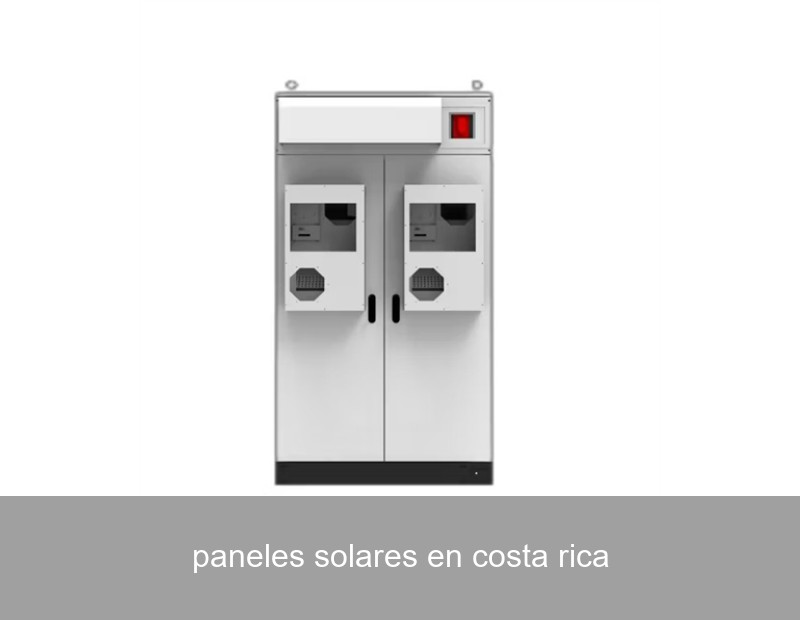
Think of your solar panels as a diligent worker producing goods (electricity) only during the day. Without a warehouse (a battery), any excess production is either sold back to the grid at a lower rate or goes to waste. A Battery Energy Storage System (BESS) acts as that essential warehouse, storing surplus solar energy for use when the sun isn't shining.
The benefits are transformative:
- Energy Independence: Drastically reduce reliance on the grid, especially during peak tariff hours or unexpected outages.
- Maximized Self-Consumption: Use more of the clean energy you produce, sometimes increasing self-consumption rates from 30% to over 80%.
- Backup Power: Provide seamless, uninterrupted power during grid failures, a critical feature for businesses and essential home services.
- Grid Support: Advanced systems can help stabilize the local grid, contributing to national energy resilience.
A Real-World Case: The Guanacaste Hospitality Project
Let's look at tangible data. A 120-room eco-hotel in Guanacaste, facing high operational costs and frequent brief voltage dips affecting guest experience, decided to move beyond basic solar. They installed a 250 kW solar carport array coupled with a 500 kWh lithium-ion battery storage system.
| Metric | Before Storage | After Storage Implementation |
|---|---|---|
| Grid Energy Consumption (Peak Hours) | 90% | 15% |
| Solar Self-Consumption Rate | 35% | 88% |
| Monthly Energy Cost Savings | 40% (solar only) | 78% (solar + storage) |
| Power Interruption Events | 8-10 minor events/month | 0 (seamless backup) |
The project's payback period was calculated at under 5 years, thanks to the combined savings and reliability. This case, documented in a renewable energy case study compilation by IRENA, highlights that the real value of paneles solares en Costa Rica is fully unlocked only when paired with intelligent storage.
Choosing the Right System: Why Battery Technology and Intelligence Matter
Not all storage solutions are created equal. The core lies in the battery chemistry and the software that manages it. Lithium Iron Phosphate (LFP) batteries have become the preferred choice for stationary storage due to their superior safety, long lifespan (often over 6,000 cycles), and stability in various climates. The brain of the system, the Energy Management System (EMS), is what differentiates a simple battery from a smart grid asset. It intelligently decides when to store, when to discharge, and how to optimize for cost or resilience based on weather forecasts, usage patterns, and tariff schedules.
Highjoule's Tailored Solutions for the Costa Rican Market
At Highjoule, with nearly two decades of experience as a global leader in advanced energy storage, we understand that the tropical environment and specific energy landscape of Costa Rica demand robust, intelligent solutions. Our systems are engineered to thrive here.
For residential and commercial clients investing in paneles solares en Costa Rica, we offer integrated storage solutions featuring our proprietary LFP battery technology and AI-driven EMS. Our Highjoule HomePower series is designed for villa and residential compound applications, providing silent, safe, and scalable backup power. For larger commercial and industrial operations, like the hotel in our case study, our Highjoule GridMax modular systems can be scaled to multi-megawatt hours, ensuring operational continuity and significant cost savings.

What sets Highjoule apart is our focus on system longevity and smart integration. We don't just sell hardware; we provide a sustainable power solution that learns and adapts to your energy profile. Our systems are designed to integrate seamlessly with both new and existing solar installations, protecting and enhancing your investment. You can learn more about global battery safety standards, which our products exceed, from resources like the U.S. Department of Energy's Solar Office.
The Future of Energy in Costa Rica: A Distributed Network
The trajectory is clear. Costa Rica's energy future is not just about large state-run hydro plants; it's increasingly about a distributed network of smart, localized microgrids powered by solar and storage. This model enhances national resilience, especially in remote areas, and empowers communities. The evolution from simple solar panels to solar-plus-storage systems represents a maturity in the market, where users transition from being passive consumers to active prosumers—both producing and intelligently managing their energy.
As battery costs continue to decline and software intelligence grows, this transition will only accelerate. The question for homeowners and business leaders in Costa Rica is no longer just "Should I install paneles solares?" but "How can I design a resilient, intelligent energy system that will serve me for the next 25 years?"
Ready to Explore Your Energy Independence?
What specific energy challenge—be it unreliable power, high bills, or a desire for a greener footprint—could a smart solar and storage solution solve for you in the next year?
 Inquiry
 Online Chat