


Solar Panels in Beirut, Lebanon: A Beacon of Hope for Energy Independence
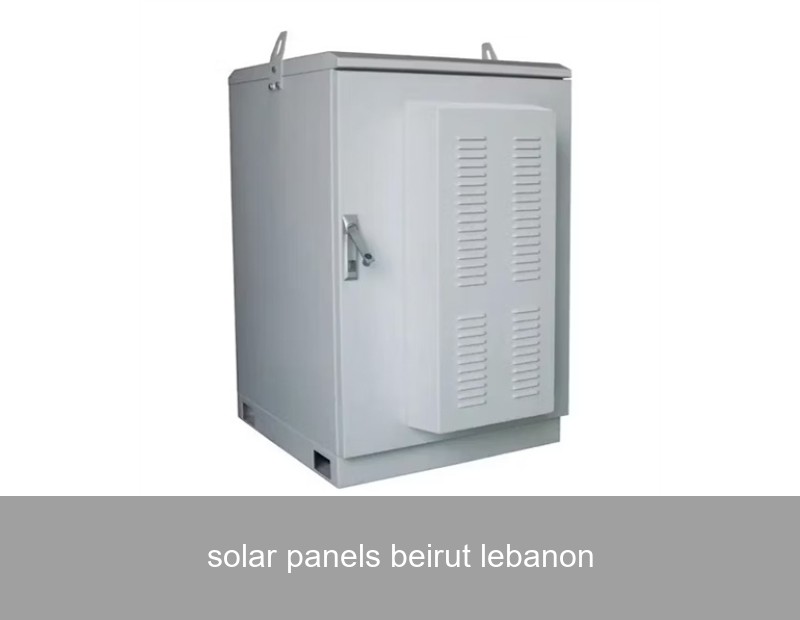
Imagine a vibrant city where life hums with energy, yet the power grid is a constant source of anxiety. This is the daily reality for residents and businesses in Beirut, Lebanon. Frequent blackouts, soaring fuel costs for generators, and an unreliable national grid have become a defining challenge. In this landscape, solar panels in Beirut, Lebanon have transformed from a luxury into a critical necessity for resilience and self-sufficiency. This article explores how solar energy, paired with advanced battery storage, is not just powering homes and businesses but is lighting a path toward a more stable and sustainable future for the region.
Table of Contents
The Energy Crisis: More Than Just an Inconvenience
For those outside Lebanon, it's hard to grasp the scale of the energy deficit. The national electricity provider, Électricité du Liban (EDL), often supplies only a few hours of power per day. This forces nearly everyone to rely on expensive, polluting private diesel generators. According to a 2021 World Bank report, these backup systems cost the Lebanese economy up to $5.5 billion annually in direct costs and environmental damages. The financial burden on households and businesses is crushing, with many spending a significant portion of their income on erratic, noisy, and dirty power.

Image Source: Unsplash - Representative image of Beirut architecture.
The Rise of Solar: Beirut's Natural Advantage
Paradoxically, Lebanon is blessed with over 300 days of sunshine per year. This makes solar photovoltaic (PV) technology a perfectly logical solution. The adoption of solar panels in Beirut, Lebanon has surged in recent years. Rooftops across the city are now adorned with glinting panels, from residential apartments to commercial complexes. The primary driver is simple: the desire to generate one's own clean, free electricity during the day, reducing dependence on both EDL and diesel generators.
However, a common misconception is that installing solar panels alone solves the power problem. The sun doesn't shine at night, and grid power is unavailable. So, what happens when the sun sets? This critical question leads us to the most important component of a truly independent energy system.
Why Battery Storage is the Missing Key
A solar PV system without storage is like having a water tank with a hole in the bottom—you can collect water (energy) during the day, but you can't save it for when you really need it at night. This is where Battery Energy Storage Systems (BESS) become the game-changer. By integrating a high-quality BESS with solar panels, energy generated during peak sunlight is stored for use anytime—after sunset, during grid blackouts, or during peak demand hours when generator fuel is most expensive.
The benefits are profound:
- 24/7 Clean Power: Achieve near-total energy independence.
- Financial Savings: Drastically reduce or eliminate generator fuel costs and EDL bills.
- Silence and Clean Air: Turn off the diesel generator for good, reducing noise and air pollution.
- Stability for Business: Protect sensitive equipment and ensure uninterrupted operations.
Not all battery systems are created equal, especially in a demanding environment like Beirut. The system needs to be robust, intelligent, and capable of seamless integration.
Highjoule's Intelligent Solutions for Beirut
This is precisely where Highjoule's expertise comes into play. Since 2005, Highjoule has been at the forefront of advanced energy storage technology, designing systems for the world's most challenging environments. For the solar panels in Beirut, Lebanon market, our HPS (Highjoule PowerStack) Commercial & Industrial series offers the ideal solution.
Our systems are engineered for resilience and intelligence. They feature sophisticated energy management software that automatically optimizes when to store solar energy, when to discharge it, and when to potentially draw from a backup source. This ensures maximum use of your solar investment and extends battery life. For larger applications like factories, shopping malls, or microgrids for entire communities, our scalable containerized BESS solutions can provide multi-megawatt hours of storage, forming the backbone of a reliable, renewable-powered infrastructure.

Image Source: Unsplash - Representative image of industrial battery storage system.
Case Study: A Beirut Hospital's Journey to Energy Security
Let's look at a real-world example that underscores the life-saving importance of solar-plus-storage. In 2022, a private hospital in the Achrafieh district of Beirut faced an existential threat. With daily power cuts exceeding 18 hours, its diesel generator costs had become astronomical, consuming over 40% of its operational budget. More critically, any generator failure during surgery or patient care was an unacceptable risk.
The hospital embarked on a major energy overhaul:
- Installation: A 650 kW rooftop solar array.
- Storage Integration: A 1 MWh Highjoule HPS battery storage system.
- Intelligent Control: A custom microgrid controller to manage solar, battery, and the legacy generator as a last-resort backup.
The results, one year later, were transformative:
| Metric | Before Installation | After Installation |
|---|---|---|
| Generator Runtime | 18-20 hours/day | < 2 hours/day (extreme cases) |
| Monthly Fuel Cost | ~$85,000 | ~$8,500 |
| Carbon Emissions | ~120 tonnes/month | ~12 tonnes/month |
| Power Reliability | Unstable, risky | 99.9% uptime for critical loads |
This case, documented in part by the World Bank's discussions on Lebanon's energy sector, illustrates the multi-faceted victory: staggering financial savings, massive environmental benefits, and, most importantly, guaranteed power for life-saving medical equipment. The hospital's director noted, "Our Highjoule system isn't just an expense; it's what allows us to remain open and serve our community."
The Future Outlook for Solar in Lebanon
The momentum for solar panels in Beirut, Lebanon is undeniable. As technology costs decrease and awareness grows, we will see a shift from basic solar systems to integrated solar-plus-storage microgrids. These can power individual buildings or even clusters of buildings, creating pockets of energy stability across the city. Government and international funding initiatives, though complex, are beginning to recognize and support this transition.
However, success hinges on choosing the right technology partner. The harsh climate, complex energy needs, and critical demand for reliability require products built with engineering rigor and a deep understanding of on-the-ground challenges.

Image Source: Unsplash - Representative image of a solar-powered home.
Highjoule is committed to being that partner for Lebanon. From our robust HPS Residential units for homes seeking peace of mind to our large-scale industrial systems, we provide the intelligent hardware and software that transforms sunlight into unwavering, dependable power.
An Open Question for Beirut's Homeowners and Business Leaders
As you consider the constant hum of generators and the flicker of unstable lights, ask yourself this: What is the true cost of unreliable power to your family's well-being, your business's continuity, or your community's future? With the sun above Beirut offering a powerful alternative, isn't it time to explore how a properly engineered solar and storage solution could redefine your energy reality?
 Inquiry
 Online Chat