


Solar Panels Made in USA: A Strategic Choice for Energy Security and Performance
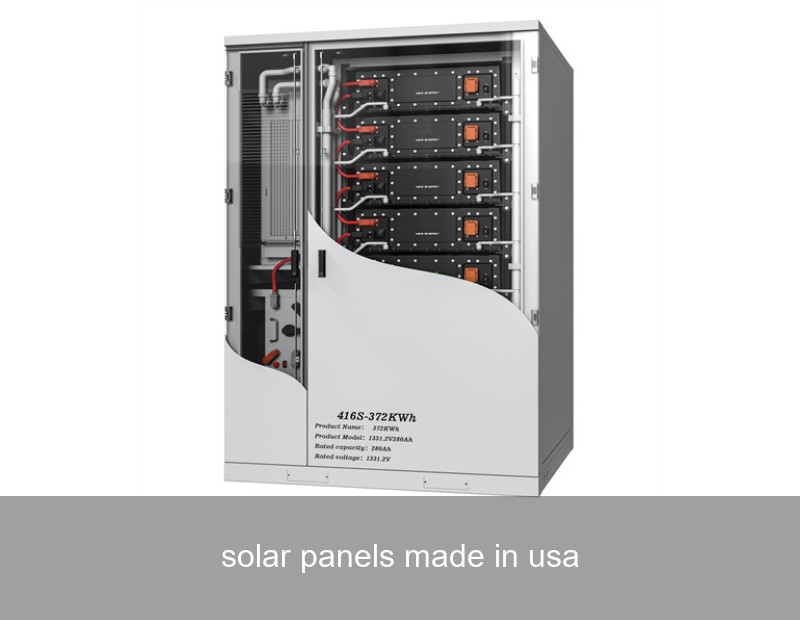
As a homeowner or business leader exploring renewable energy, you've likely encountered a crucial decision: where should your solar panels come from? The choice of "solar panels made in USA" is moving beyond simple preference to become a strategic consideration for reliability, supply chain ethics, and long-term performance. This isn't just about patriotism; it's about understanding the tangible benefits that domestically manufactured solar technology brings to your energy independence journey. Let's delve into why the origin of your photovoltaic system matters more than ever.
Table of Contents

Credit: Unsplash / American Public Power Association. U.S.-manufactured solar panels are increasingly powering commercial and industrial facilities.
The U.S. Solar Manufacturing Renaissance: More Than Just Assembly
For years, the global solar market was dominated by imports. However, a significant shift is underway. Driven by policy support like the Inflation Reduction Act (IRA) and growing demand for secure, transparent supply chains, American solar manufacturing is experiencing a robust comeback. This isn't merely about final assembly; it involves the entire value chain, from polysilicon and wafers to cells and finished modules. According to the Solar Energy Industries Association (SEIA), the IRA is projected to spur over $100 billion in new solar manufacturing investments by 2030, creating tens of thousands of jobs.
This resurgence means consumers and businesses now have viable, high-quality domestic options. Choosing "solar panels made in USA" directly supports this economic ecosystem and reduces the complex geopolitical risks associated with long-distance logistics. But the advantages extend far deeper.
Looking Beyond the Price Tag: The Core Value Proposition
While upfront cost is a factor, the true value of a solar investment is measured over 25+ years. U.S.-made panels often excel in areas critical for long-term return on investment (ROI):
- Stringent & Consistent Quality Control: American manufacturing facilities adhere to rigorous international (IEC) and domestic (UL) standards, but often implement even stricter internal quality protocols. This results in superior product consistency, lower failure rates, and more predictable power output over the system's lifetime.
- Enhanced Durability for Local Climates: Manufacturers in the U.S. frequently design panels specifically to withstand diverse regional weather patterns—from the hail-prone plains to the salty, humid coasts. This localized engineering leads to better resilience and longer warranties.
- Supply Chain Transparency & Ethics: You can have greater confidence in the labor practices and environmental standards involved in production. This aligns with the sustainability values that motivate many to go solar in the first place.
- Logistical Efficiency & Support: Shorter supply chains mean faster delivery, lower transportation carbon footprint, and, crucially, quicker access to technical support or warranty services. There's no waiting for a ship from across the ocean if a question arises.
Case Study: A Midwest Manufacturing Facility's Strategic Shift
Consider the real-world example of "Great Lakes Auto Components," a tier-1 supplier in Ohio. In 2022, faced with volatile energy costs and corporate sustainability targets, they decided to invest in a 1.2 MW rooftop solar array. Their primary goals were cost certainty, minimal maintenance, and supporting local industry.
After evaluating bids, they chose a system built with U.S.-made monocrystalline panels and partnered with Highjoule for the integrated energy storage solution. The results over the first 18 months have been compelling:
| Metric | Result | Note |
|---|---|---|
| Annual Energy Generation | 1,550 MWh | Exceeded P50 estimates by 4.2% |
| Panel Degradation | 0.4% (Year 1) | Better than warranty spec of 0.7% |
| Local Incentives Captured | Federal ITC + Ohio State Bonus | Added ~12% to project ROI |
| Energy Cost Reduction | 68% during peak hours | Combined solar + Highjoule storage |
The facility manager noted: "The quality of the U.S. panels was immediately apparent during installation. Pairing them with Highjoule's intelligent storage has turned our solar investment from a simple cost-saver into a strategic asset that manages our demand charges and provides backup power." This case highlights how domestic solar technology, when integrated with smart storage, delivers multifaceted value.
The Critical Synergy: U.S. Solar Paired with Intelligent Energy Storage
Solar panels, regardless of origin, generate power when the sun shines. To truly maximize their value—especially for commercial and industrial applications—you need to control *when* you use that power. This is where advanced Battery Energy Storage Systems (BESS) become non-negotiable.
At Highjoule, we've specialized in this synergy since 2005. Our smart storage solutions are engineered to unlock the full potential of your solar investment. Here’s how our products complement a high-quality U.S.-made solar array:
- Peak Shaving & Demand Charge Management: Our AI-driven H-Joule OS learns your facility's energy patterns. It strategically dispatches stored solar energy during expensive peak utility rate periods, dramatically reducing demand charges—often the largest portion of a commercial electricity bill.
- Enhanced Reliability & Backup Power: While solar alone shuts off during a grid outage (for safety reasons), a integrated Highjoule BESS can keep critical loads running. This provides business continuity and peace of mind.
- Grid Services & Revenue Streams: In many markets, aggregated storage systems can participate in grid service programs. Highjoule's grid-interactive technology allows your solar+storage asset to generate additional revenue through frequency regulation or capacity markets, improving the overall project finance model.
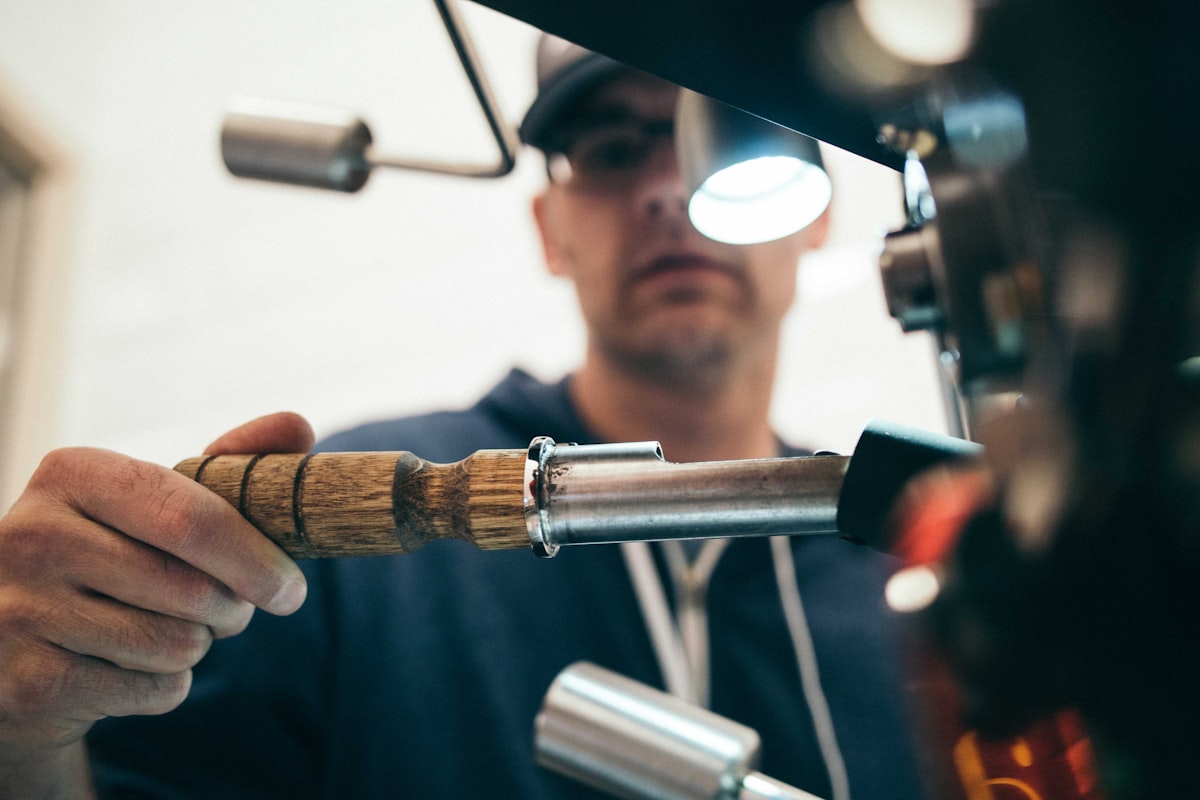
Credit: Unsplash / American Public Power Association. Intelligent storage systems like those from Highjoule are essential for maximizing solar ROI.
Think of it this way: U.S.-made solar panels are the efficient, reliable engine. A Highjoule BESS with its intelligent software is the sophisticated transmission and steering system that puts that power to work exactly when and where it's most valuable.
Making the Informed Choice for Your Project
So, how do you navigate this decision? When evaluating "solar panels made in USA," look beyond the manufacturer's name. Ask your integrator detailed questions:
- Where are the core components (cells, glass, frames) sourced?
- What is the actual warranty structure, and where is service handled?
- Can you provide independent lab test data (from organizations like NREL) on degradation and performance?
- How will the system be integrated with storage for optimal economics?
This is where a partner like Highjoule adds immense value. We don't just provide storage; we offer holistic energy management solutions. For our commercial and industrial clients, we conduct detailed feasibility studies that model the performance of different solar panel options alongside our storage systems, projecting total lifecycle costs and savings. We help you see the complete picture, ensuring your investment in American solar technology is amplified by world-class energy intelligence.
Your Energy, Your Values
The journey to energy independence is both a personal and a strategic business decision. Choosing solar panels made in USA supports domestic innovation, reduces supply chain risk, and often delivers superior long-term performance. But to truly harness that power, pairing it with an intelligent storage system is the key to unlocking resilience, control, and maximum financial return.
Is your organization ready to evaluate how a domestic solar + storage solution could not only cut your energy costs but also transform your energy profile into a strategic asset? What's the first question you need answered to take the next step?
 Inquiry
 Online Chat