


Finding the Right Solar Panels Suppliers in Saudi Arabia: A Guide to Sustainable Power
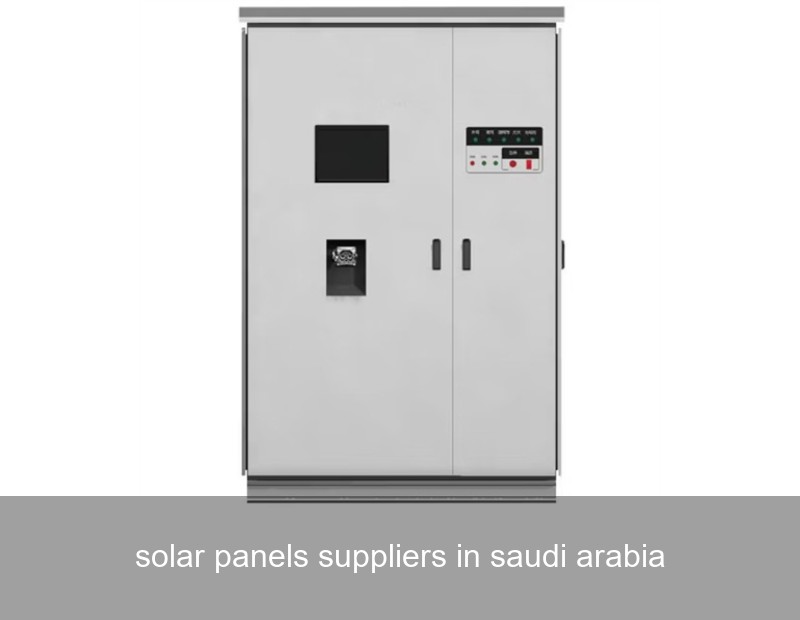
As the sun beats down on the vast deserts of Saudi Arabia, a monumental energy transformation is underway. The Kingdom, long synonymous with fossil fuels, is now harnessing its most abundant natural resource: sunlight. This shift towards solar energy isn't just a national strategy; it's a practical solution for businesses, industries, and communities seeking energy independence and cost savings. But navigating this new landscape requires reliable partners. Choosing among solar panels suppliers in Saudi Arabia is a critical decision that goes beyond just price per watt. It's about finding a partner who understands the region's unique climate, offers robust technology, and provides the intelligent energy management systems needed for true sustainability. This guide will illuminate the key factors to consider.
Table of Contents
- The Saudi Solar Phenomenon: More Than Just Sunshine
- Beyond the Panel: The Critical Role of Energy Storage
- Choosing Your Supplier: A Framework for Success
- Case Study: A Glimpse into the Future - NEOM's Ambition
- Highjoule's Role in the Saudi Energy Ecosystem
- The Future of Solar in Saudi Arabia: Your Next Step
The Saudi Solar Phenomenon: More Than Just Sunshine
Let's start with the obvious: Saudi Arabia has incredible solar potential. We're talking about some of the highest solar irradiance levels on the planet. But the "phenomenon" isn't just the weather. It's the deliberate, rapid pivot codified in Vision 2030, which aims to diversify the economy and increase renewable energy capacity to 50% of the energy mix by 2030. The data is staggering. Projects like the 2.06 GW Al Shuaibah Solar PV plant, set to be one of the world's largest, underscore this commitment. For any commercial or industrial entity operating in the Kingdom, this isn't just a trend; it's the new operational baseline. The question has shifted from "Should we go solar?" to "How do we build the most resilient and intelligent solar power system?"

Image Source: Wikimedia Commons (Creative Commons) - A depiction of large-scale solar potential in arid regions.
Beyond the Panel: The Critical Role of Energy Storage
Here’s a common misconception: installing solar panels is the finish line. In reality, it's the starting block. Solar panels generate power when the sun shines, but energy demand, especially for industrial operations or off-grid communities, is a 24/7 reality. This mismatch creates a crucial challenge. Without a way to store excess energy, you're left reliant on the grid during the night or on cloudy days, missing the full value of your investment.
This is where the conversation with your solar panels supplier in Saudi Arabia must evolve. The true value of a modern solar installation lies in its integration with a sophisticated Battery Energy Storage System (BESS). A BESS acts as a reservoir for your solar energy, allowing you to:
- Maximize Self-Consumption: Store daytime surplus and use it in the evening, drastically reducing grid dependence.
- Ensure Energy Security: Provide backup power during grid outages, critical for data centers, manufacturing, and healthcare.
- Manage Demand Charges: For commercial users, peak demand charges form a significant portion of the electricity bill. A BESS can discharge during these peak periods, smoothing out your demand profile and saving substantial costs.
Therefore, your ideal supplier shouldn't just sell panels; they should offer a holistic energy solution where generation and storage are designed to work in intelligent harmony.
The Technology Behind Reliable Storage
Not all storage is created equal. The harsh Saudi environment—with extreme heat, dust, and humidity fluctuations—demands robust technology. Lithium iron phosphate (LFP) battery chemistry, for instance, has become the industry standard for safety, long cycle life, and thermal stability, making it exceptionally suited for the region. Furthermore, the "brain" of the system—the energy management system (EMS)—is what transforms hardware into a smart asset. A superior EMS uses algorithms to learn your consumption patterns, weather forecasts, and tariff structures to autonomously optimize when to charge, store, or discharge, delivering the highest possible return.
Choosing Your Supplier: A Framework for Success
So, how do you evaluate solar panels suppliers in Saudi Arabia? Look beyond the brochure. Use this PAS (Problem-Agitate-Solution) framework to guide your discussions:
| Consideration | Key Questions to Ask | Why It Matters for Saudi Arabia |
|---|---|---|
| Product Ecosystem | Do you offer integrated storage solutions? Is your EMS software capable of advanced grid services and off-grid operation? | Piecemeal systems from multiple vendors lead to compatibility issues and blame games. A single-source provider for generation, storage, and software ensures seamless operation. |
| Technical Expertise & Support | What is your local engineering and maintenance footprint? Can you provide case studies from similar climates? | Remote support from Europe or China is insufficient. You need local experts who can provide rapid response for commissioning, maintenance, and system optimization in the local context. |
| Technology Resilience | What is the temperature derating and cooling system for your batteries? How are inverters protected from dust and heat? | Equipment must be specifically designed or certified to perform reliably in ambient temperatures that can exceed 50°C (122°F). Standard commercial products may fail prematurely. |
| Financial & Value Engineering | Can you model my total cost of ownership (TCO) and ROI, considering Saudi energy prices and future tariff changes? | A credible supplier acts as a partner, providing clear financial models that account for the Kingdom's unique economic and regulatory landscape. |
Case Study: A Glimpse into the Future - NEOM's Ambition
While many projects are under development, the vision of NEOM provides a tangible, large-scale case study for integrated renewable energy. NEOM is designed to be powered entirely by renewable energy, primarily wind and solar. A key component of this is not just generation, but storage and smart grid management on an unprecedented scale.
Although specific supplier details for the entire project are complex, the principle is clear: achieving 100% renewable penetration for a mega-city and its industrial zones is impossible without massive, intelligent energy storage systems. The project highlights a future where energy is not just consumed but actively managed. As reported by sources like the Reuters coverage of its green hydrogen plans, the integration of solar PV with storage and derivative green fuels is the cornerstone of its strategy. This mirrors what forward-thinking businesses should seek on a smaller scale: a system that doesn't just generate power but provides complete energy resilience and flexibility.

Image Source: Unsplash (Free to use) - Professionals planning and maintaining a solar energy site.
Highjoule's Role in the Saudi Energy Ecosystem
At Highjoule, we understand this complex interplay between generation, storage, and intelligence. Since 2005, we have evolved from a battery technology specialist into a global provider of advanced, integrated energy storage solutions. While we are not a panel manufacturer, we are the critical partner for solar panels suppliers in Saudi Arabia and system integrators who want to deliver superior value to their end customers.
Our role is to provide the core technology that makes a solar installation truly smart and reliable:
- Highjoule H-Series BESS: Our containerized and modular battery storage systems are built with LFP chemistry and feature advanced liquid cooling systems specifically engineered for high-ambient temperature environments like Saudi Arabia. This ensures performance, safety, and longevity where it matters most.
- Athena Energy Management Platform: This is the intelligence layer. Athena doesn't just monitor; it autonomously optimizes energy flow between solar arrays, batteries, and the grid/loads. It can be configured for peak shaving, backup power, or even participating in future microgrid or utility programs, protecting your investment for the long term.
- Partner-Centric Approach: We empower local Saudi suppliers and EPCs (Engineering, Procurement, and Construction firms) with our technology, training, and design support. This means end-users can benefit from Highjoule's global expertise delivered through a trusted local partner, ensuring seamless service and support.
For a business evaluating solar proposals, asking your potential supplier if they integrate with proven, grid-ready storage platforms like Highjoule's is a key differentiator. It shifts the project from a simple CAPEX purchase to a long-term, value-generating energy asset.
The Future of Solar in Saudi Arabia: Your Next Step
The landscape of solar energy in Saudi Arabia is dynamic and full of promise. The journey from simply buying panels to implementing a comprehensive smart energy system is the defining shift for businesses seeking true sustainability and cost control. The dust and heat aren't obstacles; they are simply design parameters for the right technology partner.
As you engage with solar panels suppliers in Saudi Arabia, the most important question you can ask is no longer about the panel efficiency alone. It's about the system's intelligence and resilience: "How will this system ensure my reliable, cost-optimal power when the sun isn't shining, and how is it engineered to thrive in our specific environment for the next 20 years?"
What specific energy challenge—be it unpredictable demand charges, grid reliability concerns, or a corporate sustainability target—is driving your organization to explore solar power today, and how can a smarter storage solution address it?
 Inquiry
 Online Chat