


Solar Panels vs Batteries: The Ultimate Guide to Powering Your Energy Independence
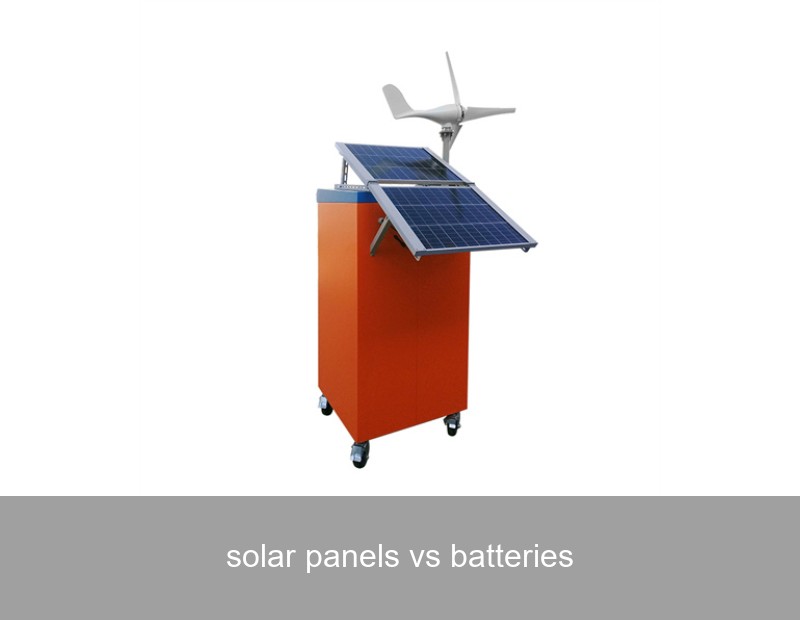
If you're looking to take control of your energy bills and reduce your carbon footprint, you've likely encountered the two key players: solar panels and batteries. It's a common point of confusion. Are they competitors, or the ultimate power couple? The truth is, understanding the distinct roles of solar panels vs batteries is the first critical step toward designing a resilient and cost-effective energy system for your home or business. One is the brilliant generator, the other is the savvy manager. Let's demystify their relationship and explore how, when combined intelligently, they unlock a new level of energy security and savings.
Table of Contents
The Generator: How Solar Panels Harness the Sun
Think of solar panels as your personal power plant. Made up of photovoltaic (PV) cells, they directly convert sunlight into direct current (DC) electricity. This is a marvel of physics—clean, silent, and renewable energy production happening right on your roof. The more sun you get, the more electricity they generate, typically peaking in the middle of the day. However, here's the catch: this production curve rarely matches your consumption curve. You're often at work when your panels are most productive, and you need power most in the evenings when the sun sets. This mismatch is the fundamental challenge that introduces the need for a partner in crime.

This is where the conversation about solar panels vs batteries shifts from "either/or" to "how best to combine." A high-quality solar array is the essential foundation. Companies like Highjoule provide advanced, high-efficiency PV solutions designed for diverse climates, ensuring maximum energy yield over the system's 25+ year lifespan, whether for a family home or a large industrial facility.
The Bank: How Batteries Store Your Solar Wealth
If solar panels are your income, a battery energy storage system (BESS) is your savings account. It doesn't generate electricity itself; instead, it stores the excess DC electricity produced by your solar panels. An inverter then converts this stored energy into usable alternating current (AC) power for your home when you need it—at night, during cloudy weather, or during a grid outage. This transforms your solar system from a daytime supplement into a 24/7 power source.
The technology inside modern batteries, primarily lithium-ion, is sophisticated. It's not just a simple tank; it's an intelligent system that manages charge cycles, depth of discharge, and overall health. For instance, Highjoule's IntelliBESS series employs adaptive learning algorithms to optimize storage and discharge patterns based on your unique usage habits and local utility rates, maximizing both convenience and financial return.
Core Functions of a Modern Battery System:
- Energy Time-Shifting: Use cheap, self-generated solar power at expensive peak-rate times.
- Backup Power: Keep essential loads running during grid failures, seamlessly and instantaneously.
- Grid Services: In some markets, advanced systems can even support grid stability and provide revenue streams.
Head-to-Head: Key Differences and Powerful Synergies
To truly settle the solar panels vs batteries debate, let's break down their primary functions in a clear comparison.
| Feature | Solar Panels | Battery Storage |
|---|---|---|
| Primary Role | Electricity Generation | Electricity Storage & Management |
| Operates When | Daylight hours (peak at noon) | Anytime, on-demand (day or night) |
| Direct Financial Benefit | Reduces purchased electricity (bill savings) | Maximizes self-consumption, avoids peak charges, provides backup |
| Key Metric | Kilowatt (kW) - Power Capacity | Kilowatt-hour (kWh) - Energy Capacity |
| Dependency | Sunlight availability | Requires a charge source (e.g., solar, grid) |
The synergy is undeniable. Solar panels without storage often mean exporting surplus energy to the grid at low rates. Batteries without a generation source (like solar) can only shift grid power, which may have limited economic benefit. Together, they form an integrated solar-plus-storage system. This is the heart of Highjoule's offering: seamlessly integrated systems where the solar inverter, battery inverter, and energy management software are designed to work in perfect harmony, ensuring efficiency, safety, and a superior user experience.
Real-World Impact: A California Business Case Study
Let's move beyond theory. Consider a mid-sized commercial bakery in San Jose, California. Their challenge was classic: high energy consumption with major loads for refrigeration and ovens, and steep time-of-use (TOU) electricity rates from Pacific Gas & Electric, where evening rates soar above $0.45/kWh.
The Phenomenon: Their existing solar panels covered 70% of their total annual usage but only 40% of their late afternoon/evening usage due to the TOU structure. They were still exposed to crippling demand charges.
The Data & Solution: In 2022, they installed a Highjoule IntelliBESS 50 system (50 kWh capacity) alongside an expanded solar array. The system was programmed to prioritize charging from excess solar and then discharge during the 4 PM to 9 PM peak window.
The Result: Within the first year:
- Grid peak demand reduction: 40%
- Electricity bill savings from TOU arbitrage: An additional 28% on top of solar savings.
- ROI period: Estimated to be under 5 years, factoring in federal Investment Tax Credit (ITC) for storage.

This case perfectly illustrates that the debate isn't solar panels vs batteries, but how batteries amplify the value of solar, especially in markets with volatile tariffs or unreliable grids—common scenarios across Europe and the United States.
Future-Proofing Your Investment: The Intelligent System Advantage
Choosing between solar and storage is less important than designing the right system for your future. Energy markets are evolving rapidly. With the rise of electric vehicles and the increasing frequency of extreme weather events impacting grid stability, a static solution may soon become obsolete.
This is where an intelligent, scalable ecosystem matters. Highjoule's Energy Hub Platform goes beyond hardware. It's a software-defined system that can:
- Integrate with future additional battery units for expanded capacity.
- Manage EV charging schedules to use solar surplus.
- Participate in utility Virtual Power Plant (VPP) programs for additional income, where available.
Your system should learn and adapt. By choosing a platform-based approach, you're not just buying a battery; you're buying the capability to evolve with energy trends and policies, protecting your investment for decades. For deeper insights into grid trends, resources like the International Energy Agency's reports on storage are invaluable.
What's Your Energy Profile?
So, where do you begin? The optimal configuration depends entirely on your location, energy consumption patterns, utility rate structure, and personal goals for savings vs. backup security. A homeowner in Arizona with net metering might prioritize solar first, while a business in Germany facing high grid fees might see a faster return from immediate storage integration. The first step is a detailed analysis.
What specific energy challenge keeps you up at night—is it the fear of a blackout, the shock of a monthly bill, or the drive to achieve true energy independence? Understanding that will define whether you start with solar, storage, or the powerful combination of both.
 Inquiry
 Online Chat