


Unlocking Energy Independence: The Complete Guide to Solar Power and Battery Systems
Have you ever watched the sun set and wondered, "Where did all that free energy go?" For years, solar panels have been a fantastic way to capture it, but the sun, as we know, doesn't always shine. This is where the magic of pairing a solar power and battery system comes in. It's not just about generating clean electricity; it's about controlling when you use it. Let's explore how this combination is transforming homes and businesses from passive consumers into active energy managers.
Table of Contents
- The Solar Gap: Generation vs. Consumption
- How a Solar + Battery System Works: Your Personal Energy Hub
- A Real-World Case Study: Resilience in California
- Choosing the Right System for Your Needs
- Highjoule's Intelligent Energy Solutions
- The Future of Energy is in Your Hands
The Solar Gap: Generation vs. Consumption
Here's a common phenomenon: your rooftop solar panels hit peak production around midday. But for many households, energy consumption peaks in the early morning and evening. This creates a mismatch. Without a battery, excess solar energy is often sent back to the grid, sometimes for minimal compensation (through net metering schemes that are changing). When the sun goes down, you're forced to buy power back from the utility, often at higher rates.
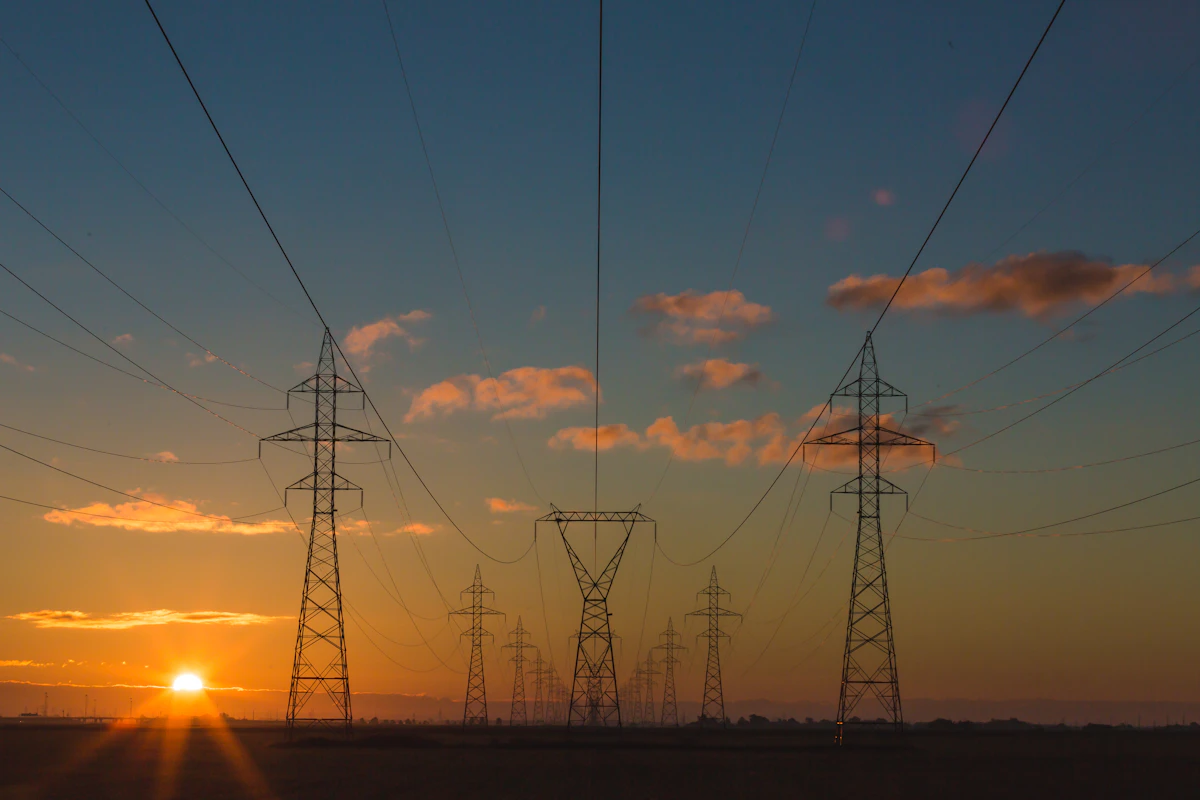
Image Source: Unsplash - Visual representation of the energy timing mismatch.
The data is clear. According to the U.S. Department of Energy, integrating storage is key to unlocking solar's full potential, potentially increasing the value of solar-generated electricity for homeowners and the grid.
How a Solar + Battery System Works: Your Personal Energy Hub
Think of a solar power and battery system as an intelligent, integrated ecosystem. It's more than just panels and a box in the garage.
- Daytime (Solar Production): Solar panels convert sunlight into DC electricity. An inverter converts it to AC power for your home's immediate use. Any surplus energy, instead of going straight to the grid, charges your battery system.
- Evening/Night (Discharge): As solar production falls, your system automatically switches to draw clean, stored energy from the battery. This drastically reduces your reliance on the grid during peak tariff hours.
- Grid Outage (Backup Mode): During a blackout, a properly configured system can island your home, providing critical backup power from the battery, often supplemented by continued solar production if the sun is out.
Key Benefits: Beyond Just Backup Power
The advantages of integrating storage with solar are compelling:
| Benefit | Explanation | Impact |
|---|---|---|
| Energy Self-Consumption | Use more of the solar energy you produce. | Maximizes ROI on solar panels, reduces grid purchases. |
| Bill Management & Peak Shaving | Avoid drawing power during expensive peak-rate periods. | Significant reduction in utility bills for homes and businesses. |
| Energy Resilience | Provides backup power during grid outages. | Keeps lights on, food cold, and businesses operational. |
| Grid Support & Sustainability | Stores excess renewable energy for later use, smoothing demand. | Accelerates the clean energy transition and reduces grid strain. |
A Real-World Case Study: Resilience in California
Let's look at a concrete example from our target market. In Northern California, where Public Safety Power Shutoffs (PSPS) due to wildfire risk have become frequent, a medium-sized commercial winery faced crippling operational and financial risks. A power outage during fermentation could ruin an entire vintage.
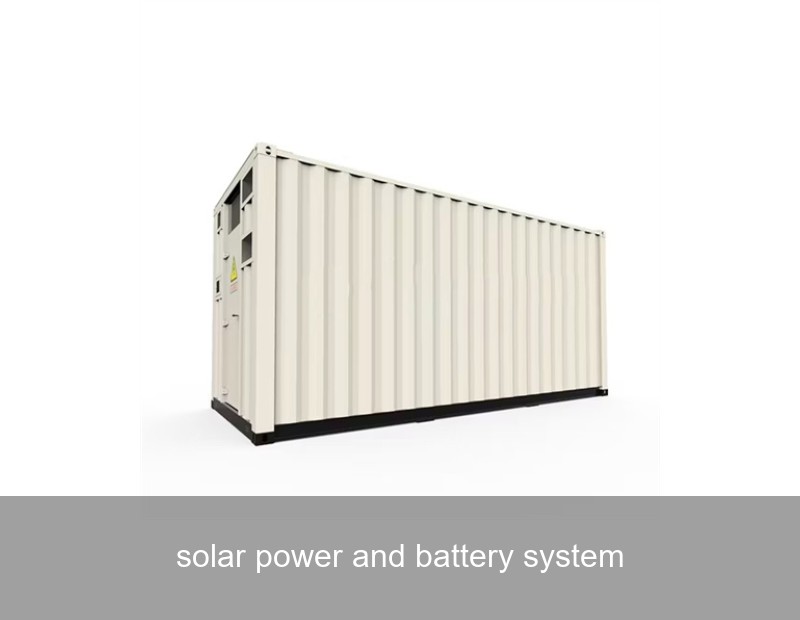
The Solution: The winery installed a 250 kW solar array coupled with a 500 kWh containerized battery energy storage system (BESS).
- Energy Cost Savings: By shifting energy use away from peak grid times, they reduced their monthly energy bill by 68%.
- Backup Power: The system provides 8+ hours of full operational backup, securing critical cooling and production processes.
- Sustainability: They increased their on-site renewable consumption from ~40% to over 90%, dramatically shrinking their carbon footprint.
This case, documented in part by the National Renewable Energy Laboratory (NREL), highlights the multi-faceted value proposition of a robust solar power and battery system.
Choosing the Right System for Your Needs
Not all systems are created equal. Key considerations include:
- Battery Chemistry: Lithium-ion phosphate (LFP) is now the leading choice for residential and commercial storage due to its long life, safety, and stability.
- Power (kW) vs. Energy (kWh): Power determines how many appliances you can run at once. Energy capacity dictates how long you can run them.
- Inverter Compatibility: Is it a DC-coupled, AC-coupled, or hybrid system? This affects efficiency and cost.
- System Intelligence: Can it learn your usage patterns and optimize for economics or resilience automatically?
Highjoule's Intelligent Energy Solutions
This is where Highjoule's expertise, honed since 2005, becomes crucial. We understand that a solar power and battery system is a long-term investment. Our approach is to provide not just hardware, but a complete, intelligent energy solution.
For residential clients, our Home Energy Hub series features modular LFP battery units that can be stacked to grow with your needs. They integrate seamlessly with new or existing solar arrays via our smart hybrid inverters. The system is managed by our proprietary AI-driven software, which automatically chooses the most economical and efficient energy flow—solar to home, to battery, or to grid—based on your habits and utility rates.

Image Source: Unsplash - Modern home energy installation.
For commercial and industrial applications, our GridMAX containerized BESS solutions offer utility-scale storage in a scalable, plug-and-play format. These systems are designed for peak shaving, demand charge reduction, and providing uninterrupted power for critical operations, much like the California winery. Our industrial-grade software platform allows facility managers to monitor, control, and forecast energy usage with precision.
Across all our products, safety, durability, and cycle life are engineered in from the start, ensuring a reliable and sustainable energy asset for decades.
The Future of Energy is in Your Hands
The journey from a simple solar installation to an integrated, intelligent solar power and battery system represents the next logical step in the energy revolution. It's about taking true control, achieving tangible economic benefits, and building personal and community resilience. As grid dynamics evolve and energy prices fluctuate, the question is no longer just about generating power, but about mastering its flow.
What would you power first to secure your home or business, if you had a reliable, independent energy source at your command?
 Inquiry
 Online Chat