


Your Ultimate Guide to Choosing a Solar Power Pack for Camping
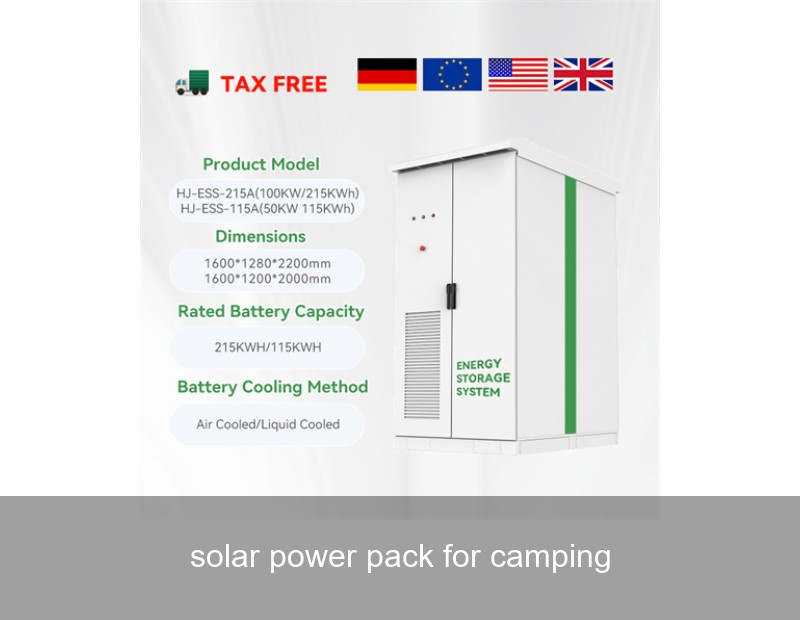
Imagine this: you're deep in the redwoods of California or high in the Scottish Highlands. The scenery is breathtaking, but your phone is at 1%, and your portable fridge is beeping a low-battery warning. This modern camping dilemma is precisely why the solar power pack for camping has become an essential piece of gear for outdoor enthusiasts. It's not just a battery; it's your gateway to extended, comfortable, and safe off-grid adventures. In this guide, we'll explore how this technology works, what to look for, and how principles from large-scale renewable energy systems can inform your choice for a personal power solution.
Table of Contents
The Rise of Off-Grid Freedom
Gone are the days when camping meant completely disconnecting. Today, we rely on devices for navigation (GPS), safety (satellite messengers), documentation (cameras), and comfort (LED lights, portable fans). The demand for reliable portable power has skyrocketed. According to a market analysis, the global portable power station market is expected to grow significantly, driven by outdoor recreation and emergency preparedness needs. A solar power pack for camping elegantly solves this by combining a high-capacity battery with solar charging capability, creating a personal microgrid for your tent.

Image Source: Unsplash - A typical camping setup with a portable solar panel.
Key Components of a Solar Power Pack
Not all solar power packs are created equal. Understanding the core components will help you make an informed decision.
- The Battery (The Heart): This is your energy reservoir. Capacity is measured in Watt-hours (Wh). For example, a 300Wh pack can theoretically power a 10W LED light for 30 hours. The battery chemistry is crucial; Lithium Iron Phosphate (LiFePO4) batteries are becoming the gold standard for safety, longevity (3,000+ cycles), and performance in varied temperatures, much like the technology used in larger commercial storage systems.
- The Solar Panel (The Fuel Source): This converts sunlight into electricity. Look for panels with high conversion efficiency (21-24% is excellent for portable panels). Monocrystalline panels are typically more efficient than polycrystalline. Consider foldability and weight for portability.
- The Charge Controller & Inverter (The Brain): This built-in electronics manage the solar input to safely charge the battery and convert the stored DC power into AC power for standard household devices. A pure sine wave inverter is essential for sensitive electronics like laptops and medical devices.
- Ports & Outputs (The Interface): A variety of outputs (USB-A, USB-C PD, 12V DC carport, and AC outlets) ensures you can charge all your devices simultaneously.
Choosing the Right Pack for Your Adventure
Your needs will vary based on trip length, group size, and devices. Here’s a simple framework:
| Trip Type | Recommended Capacity | Key Devices | Solar Panel Recommendation |
|---|---|---|---|
| Weekend Car Camping | 150-300Wh | Phones, lights, camera, drone | 60-100W foldable panel |
| Week-long Basecamp | 500-1000Wh | All of the above + portable fridge, laptop | 100-200W panel array |
| Overlanding / Van Life | 1000Wh+ | High-power appliances, sustained off-grid living | Fixed or semi-flexible panels on vehicle roof |
Case Study: Powering a Week-Long Ecological Survey in Colorado
Let's look at a real-world example. A team of three researchers conducted a week-long ecological survey in the remote San Juan Mountains, Colorado, in August 2023. Their power needs were critical: two laptops for data entry, GPS units, satellite communication devices, camera batteries, and LED camp lights.
Their Setup: They used a 720Wh LiFePO4 power station paired with two 100W monocrystalline solar panels. Each day, they would set up the panels during their basecamp hours (10 AM - 4 PM).
The Data & Outcome: Despite variable mountain weather (two partially cloudy days), the solar input averaged 450Wh per day. Their daily consumption was approximately 400Wh. The system's efficiency and the battery's low self-discharge rate meant they finished the expedition with over 30% battery remaining, without ever needing a noisy gas generator. This case highlights the reliability of a properly sized solar power pack for camping and professional fieldwork. For more on energy needs in remote areas, see this National Park Service guide on remote power.

Image Source: Unsplash - Solar panel setup in a mountainous environment.
Technology Beyond the Trail: Insights from Highjoule
The principles behind a reliable camping power pack are not so different from those governing large-scale energy storage. At Highjoule, a global leader in advanced energy storage systems since 2005, we engineer solutions for commercial, industrial, and microgrid applications with the same core focus: intelligence, efficiency, and sustainability.
For instance, our Highjoule H3 Commercial Storage System uses advanced LiFePO4 battery modules with sophisticated Battery Management Systems (BMS) to ensure safety and longevity—similar to the best-in-class BMS in premium portable power stations. The software that optimizes energy flow in a microgrid, deciding when to store solar energy and when to discharge it, is a more complex version of the logic in your power pack's charge controller.
This expertise directly informs what we understand about portable power. The demand for robust, safe, and user-friendly energy storage is universal, whether it's for a family camping trip, a remote telecom site, or a grid-scale solar farm. Highjoule's commitment to innovation in core battery technology and system integration trickles down, setting higher standards for the entire industry, including the portable devices you can take on your adventures.
The Future of Portable Solar Power
The trajectory is clear: higher density, smarter management, and greater integration. We can expect future solar power packs for camping to feature even higher-efficiency solar cells (like PERC or thin-film), integration with satellite connectivity for remote monitoring, and modular designs that allow you to expand capacity on the fly. The line between personal power and residential backup power will continue to blur, creating a seamless energy experience from the backcountry to the backyard.
As battery technology advances, driven by research from institutions like the U.S. Department of Energy's Solar Energy Technologies Office, we will see these improvements reflected in smaller, more powerful packages for consumers.
Ready to Build Your Off-Grid Kit?
The right solar power pack transforms your outdoor experience, providing peace of mind and expanding your possibilities. So, what's the first device you would ensure stays powered on your next adventure, and how would that shape the capacity of the solar power pack you choose?
 Inquiry
 Online Chat