


Harnessing the Sun: The Rise of Solar Power Stations in Zimbabwe
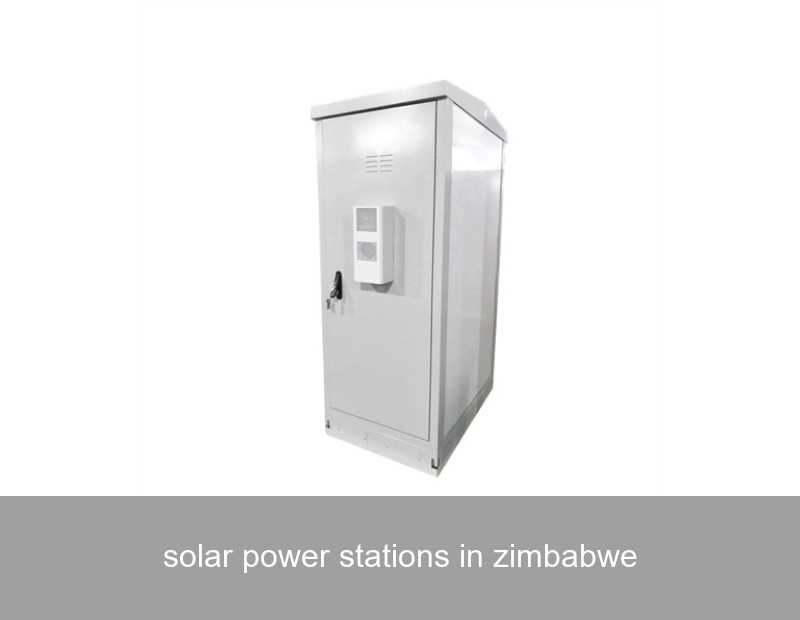
Imagine a nation with abundant sunshine, yet facing persistent power shortages. This is the reality for Zimbabwe, a country where the gap between energy supply and demand has long hindered growth. But a quiet revolution is underway, powered by the sun. The development of solar power stations in Zimbabwe is not just an energy alternative; it's becoming a cornerstone for national resilience, economic development, and a sustainable future. For businesses and communities worldwide watching this transformation, it offers profound insights into how intelligent energy storage is the critical link between harnessing renewable power and achieving true energy independence.
Table of Contents
The Energy Context: Why Zimbabwe is Turning to Solar
Zimbabwe's energy landscape has been characterized by reliance on hydropower and imports, both vulnerable to climate variability and regional dynamics. Droughts severely affect Lake Kariba's output, leading to prolonged load-shedding that can exceed 18 hours a day in some areas. This instability cripples industry, healthcare, and education. The government's National Renewable Energy Policy targets a 26.5% contribution from renewables by 2030, with solar at the forefront. The logic is compelling: Zimbabwe receives over 3,000 hours of sunshine annually, a vastly underutilized domestic resource. Solar power stations present a decentralized, rapid-deployment solution to augment the national grid and provide off-grid communities with their first access to reliable electricity.

The shift isn't without challenges. Solar energy is intermittent—it generates power only when the sun shines. For a power station to provide stable, 24/7 electricity or firm capacity to the grid, it must solve the problem of energy dispatchability. This is where the conversation evolves from simple solar generation to integrated solar-storage power stations.
Beyond the Panels: The Indispensable Role of Energy Storage
Think of a solar farm without storage like a reservoir with a hole in the bottom. Water (energy) is collected during the rain (sunshine), but you can't save it for a dry spell (nighttime or cloudy days). This limits solar's value to daytime-only consumption and does little to solve the evening peak demand crisis. Battery Energy Storage Systems (BESS) are the engineering solution that "plugs the hole."
For a solar power station in Zimbabwe, integrating a BESS transforms its functionality:
- Grid Stabilization: Batteries can absorb excess solar energy and inject it back into the grid during high demand, smoothing out the variable solar output.
- Energy Time-Shifting: Store midday solar surplus for use in the evening, effectively turning solar into a baseload power source.
- Enhanced Reliability: For mini-grids or off-grid stations, storage ensures uninterrupted power after sunset, critical for hospitals, businesses, and schools.
The technology choice for storage is paramount. In environments like Zimbabwe, with high temperatures and often remote locations, systems require robust thermal management, long cycle life, and minimal maintenance. This is precisely the challenge companies like Highjoule address. With nearly two decades of experience, Highjoule designs containerized BESS solutions built for demanding climates. Our systems feature advanced liquid cooling for optimal battery lifespan and AI-driven energy management software to maximize the solar yield and return on investment for any solar power station project.
A Beacon of Light: Case Study - The Guruve Solar Power Station
A tangible example of this synergy is the 5 MW Guruve Solar Power Station in Mashonaland Central Province. Developed by a pan-African renewable energy independent power producer (IPP), this facility was among the first to be connected to the Zimbabwean grid under the country's new renewable energy frameworks.
| Metric | Detail |
|---|---|
| Capacity | 5 MW AC solar PV |
| Annual Generation | Approximately 9,800 MWh |
| Homes Powered | Equivalent to ~9,000 local households |
| Carbon Offset | ~4,700 tons of CO2 annually |
| Key Innovation | Planned integration of a 2.5 MWh battery storage system (under discussion) |
While currently a solar-only plant, the developers have publicly highlighted the identified need for storage to increase the plant's value and reliability. The proposed 2.5 MWh battery system would allow Guruve to shift a significant portion of its daytime generation to the critical evening peak, improving grid stability and the project's economics. This real-world project underscores a global truth, echoed by the International Renewable Energy Agency (IRENA): storage is no longer an optional add-on but a fundamental component of modern, resilient solar power infrastructure.

Highjoule's Expertise: Building Resilient Solar-Storage Systems
At Highjoule, we view projects like those in Zimbabwe through a lens of holistic system integration. Our role isn't just to supply batteries; it's to provide a complete, intelligent power solution. For a developer of a solar power station in Zimbabwe, partnering with an experienced ESS provider mitigates key risks.
Our product suite for such utility-scale and commercial & industrial (C&I) applications includes:
- HJ-UtilityStack: A containerized, pre-integrated BESS solution scalable from 1 MW to hundreds of MW. Its liquid-cooled design ensures consistent performance in Zimbabwe's heat, and its grid-forming capabilities can help stabilize weaker grids.
- IntelliMAX Energy Management Platform: This proprietary software is the brain of the system. It performs predictive energy analytics based on weather forecasts and load patterns, autonomously deciding the most economical moments to charge or discharge, thereby maximizing the revenue and utility of the solar asset.
- Hybrid Power Plant Controller: Seamlessly orchestrates the solar inverters, battery system, and grid connection point as a single, compliant power plant, a crucial requirement for IPPs connecting to the national grid.
Our global experience, from North American microgrids to European industrial storage, informs our approach to every project. We understand the financial models, the grid code requirements, and the operational demands, ensuring that the storage component enhances, rather than complicates, the solar power station's mission.
Future Horizons: Scaling Solar for National Impact
The trajectory for solar power stations in Zimbabwe is one of rapid scaling and increasing sophistication. The success of initial projects paves the way for larger installations, and the inevitable next step is the widespread integration of storage. We are likely to see a mix of large-scale grid-connected solar-storage plants and distributed mini-grids that bring power to remote communities, both models where storage is non-negotiable.
Furthermore, innovations like virtual power plants (VPPs)—where multiple distributed solar-storage systems are aggregated and controlled as a single resource—could offer Zimbabwe a novel, cost-effective path to grid reinforcement. The potential extends beyond electricity; solar-storage complexes can power agricultural processing, green hydrogen production, and water purification, catalyzing broader economic development.

The journey of Zimbabwe's energy sector is a microcosm of a global transition. It asks a fundamental question that every business, community, and nation must eventually answer: How do we not only capture clean energy but also master its flow to meet our needs, on our terms? The answer lies in the intelligent marriage of generation and storage.
As you consider the future of energy in dynamic markets, what specific challenge in your own context—be it reliability, cost, or sustainability—could be redefined by a smarter approach to solar and storage integration?
 Inquiry
 Online Chat