


Understanding Solar System Price in Lahore: A Smart Investment Guide
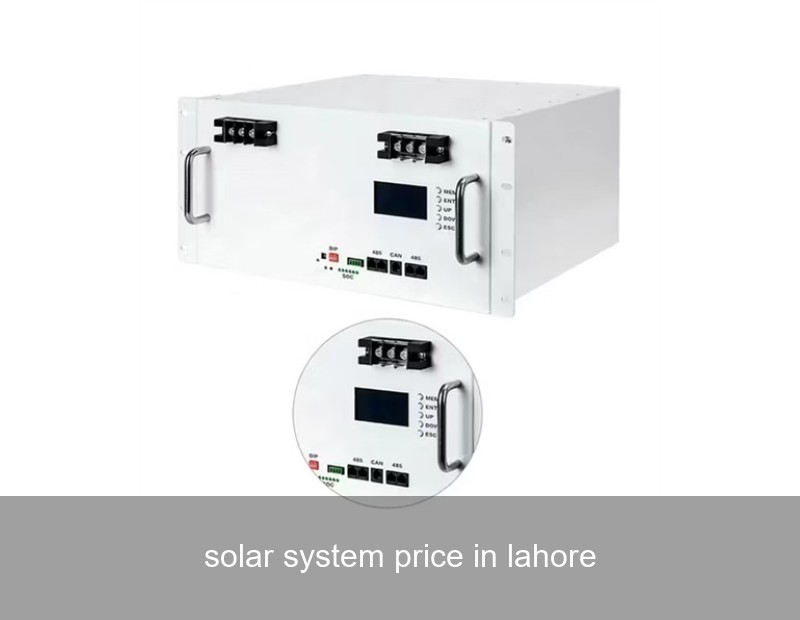
If you're a homeowner or business in Lahore researching a solar system price in Lahore, you've likely encountered a wide and confusing range of quotes. One vendor quotes 500,000 PKR, another 1.5 million PKR for what seems like the same system. This price variation isn't random; it's the direct result of the components chosen, their quality, and the system's design. In a city blessed with abundant sunshine but facing rising electricity costs and load-shedding, going solar is one of the smartest long-term decisions you can make. The key is to move beyond looking at just the upfront solar panel price in Lahore and understand the value behind the price tag. A truly efficient and durable system is an investment that pays for itself, while a cheap, poorly configured setup can lead to disappointment and extra costs. This guide will break down the factors influencing cost and introduce you to the high-performance solutions from global leaders like Highjoule that bring reliability and intelligence to your energy independence.
Table of Contents
- The Real Breakdown of a Solar System Price in Lahore
- Key Factors That Make or Break Your Solar Investment
- Lahore Case Study: From High Bills to Energy Independence
- Beyond Panels: The Critical Role of Intelligent Storage
- Highjoule Solutions: Engineered for Lahore's Climate and Needs
- Making the Right Choice for Your Home or Business
The Real Breakdown of a Solar System Price in Lahore
Let's demystify the quote. A complete grid-tied solar system with backup typically includes:
- Solar Panels (Photovoltaic Modules): These are the most visible part, converting sunlight into DC electricity. Prices vary by efficiency (monocrystalline being higher efficiency and cost than polycrystalline), brand, and warranty.
- Solar Inverter(s): The brain of the system. It converts the DC electricity from panels into AC for your home appliances. For backup, a hybrid inverter is essential.
- Battery Storage System (BESS): This stores excess solar energy for use at night or during grid outages. The battery type (Lead-acid vs. Lithium-ion), capacity (kWh), and cycle life are major cost drivers.
- Balance of System (BOS): This includes mounting structures, wiring, DC/AC combiner boxes, circuit breakers, and monitoring systems. Quality here ensures safety and longevity.
- Installation & Design: Professional site assessment, system design, labor, and commissioning. A certified installer is non-negotiable.
As a rule of thumb, for a quality 10kW system with lithium-ion storage sufficient for a typical Lahore home, you should be prepared for an investment starting from approximately 2.5 - 3.5 million PKR. The return, however, is calculated not just in rupees saved on your monthly electricity bill (which can be reduced by 70-90%), but also in the uninterrupted power supply and increased property value.
Key Factors That Make or Break Your Solar Investment
Why does price vary so much? Three core components dictate long-term value:
- Component Quality & Origin: Tier-1 solar panels with 25+ year performance warranties cost more but degrade slower. Similarly, a renowned hybrid inverter from brands like Fronius, SolarEdge, or those integrated into Highjoule systems offer superior grid management and efficiency compared to generic alternatives.
- Battery Technology: This is the most significant differentiator. Traditional lead-acid batteries may have a lower solar system price in Lahore upfront, but they last 3-5 years, have lower depth of discharge, and require maintenance. Modern Lithium Iron Phosphate (LFP) batteries, like those used by Highjoule, last 10-15 years, are maintenance-free, safer, and can be discharged deeper, meaning you get more usable energy from the same kWh rating.
- System Design & Intelligence: A system sized and designed by software for your specific roof orientation, shade patterns, and consumption habits will yield more energy. Intelligent energy management systems that learn and optimize your consumption are the next frontier.
Lahore Case Study: From High Bills to Energy Independence
Consider the real example of a family in DHA Lahore. Their monthly electricity bill averaged 45,000 PKR with severe discomfort during daily load-shedding. They installed a 12kW solar system with a 15kWh lithium-ion battery bank in early 2022.
- System Cost: ~4.2 million PKR (inclusive of high-efficiency panels and an intelligent hybrid inverter).
- Post-Installation: Their monthly bill dropped to the minimal grid service charge (approx. 2,000 PKR).
- Energy Data: The system generates an average of 55-60 kWh per day. Their household consumption is ~40 kWh daily. The excess 15-20 kWh charges the batteries, providing full night-time power and backup for essential loads (ACs, refrigeration, lighting) during extended grid outages.
- Payback & ROI: With monthly savings of ~43,000 PKR, the simple payback period is roughly 8 years. Given the 25+ year life of panels and 15-year warranty on batteries, the following 17+ years represent nearly free electricity and guaranteed backup. This doesn't even factor in the inevitable future increases in grid electricity tariffs, which will shorten the payback period further.

Image Source: Unsplash (Representative image of a modern residential solar installation)
Beyond Panels: The Critical Role of Intelligent Storage
For Lahore's reality, solar panels alone are not enough. Without storage, your system shuts off during a grid outage for safety reasons (anti-islanding). This defeats a primary goal: backup power. This is where Battery Energy Storage Systems (BESS) become the cornerstone of a robust solution. The latest innovation isn't just storage; it's intelligent storage. Advanced systems now integrate software that allows for:
- Time-of-Use (ToU) Optimization: In markets like the US and Europe, systems can be programmed to draw cheap grid power at night to charge batteries and use it during peak expensive hours, maximizing savings. While ToU tariffs are nascent in Pakistan, the principle of intelligent load shifting is powerful.
- Peak Shaving: For commercial users in Lahore, this is a game-changer. The system automatically uses stored solar energy when your business's power demand peaks, avoiding costly demand charges from the utility.
- Resilient Microgrid Capability: In case of a grid failure, a smart inverter and battery system can instantly "island" your home or business, forming a stable microgrid that powers critical loads seamlessly.
According to a report by the International Energy Agency (IEA), the global capacity of battery storage is set to multiply exponentially, driven by its critical role in enabling renewable integration and providing grid stability.
Highjoule Solutions: Engineered for Lahore's Climate and Needs
This is where Highjoule, as a global leader in advanced储能系统, brings a distinct advantage to discerning customers in Lahore. We don't just sell components; we provide integrated, intelligent power solutions. Our systems are designed for harsh climates, ensuring they perform reliably through Lahore's hot summers and dusty conditions.
Our product suite relevant to the Lahore market includes:
- Highjoule HPS Series (Hybrid Power Systems): All-in-one units combining a high-efficiency hybrid inverter, lithium iron phosphate (LFP) batteries, and advanced management software in a sleek, wall-mountable cabinet. This simplifies installation and provides a seamless, intelligent backup and savings solution for homes and small businesses.
- Highjoule C&I ESS: Scalable containerized or rack-mounted storage solutions for commercial and industrial facilities. These systems are designed for peak shaving, backup power, and even participation in future grid services, delivering a strong ROI on the solar system price in Lahore for businesses.
- Highjoule Energy Management System (EMS): The smart brain that connects solar, storage, grid, and loads. Our EMS can be configured to prioritize solar self-consumption, ensure backup reserve, and optimize energy flow based on your cost and comfort preferences.
By choosing a system like Highjoule's, you are investing in a platform, not just a product. The integrated design ensures all components communicate perfectly, enhancing safety, efficiency, and system lifespan. Our LFP batteries are inherently safer and more durable than other lithium chemistries, a crucial consideration for residential use. You can learn more about battery safety from the U.S. Department of Energy's resources on energy storage.

Image Source: Unsplash (Representative image of a modern battery storage system installation)
Making the Right Choice for Your Home or Business
So, how do you navigate the market? Start by asking the right questions:
| Question to Ask Vendors | What It Reveals |
|---|---|
| What is the specific brand and model of the inverter and battery? | Allows you to research independent reviews, efficiency ratings, and global track records. |
| Is the battery chemistry LFP? What is its warranty (in years and cycles)? | Directly impacts safety, longevity, and total cost of ownership. |
| Can you provide a detailed simulation of my expected monthly energy production and self-consumption? | Separates professional designers from simple part sellers. Tools like NREL's PVWatts are industry standards. |
| Does the system include remote monitoring and energy management software? | Indicates an intelligent, modern system that gives you control and insight. |
Your Next Step Towards Energy Independence
The conversation about solar system price in Lahore is ultimately a conversation about value, risk, and long-term planning. A lower upfront cost might mean higher long-term expense due to replacements and inefficiencies. The climate for solar in Lahore has never been better, but the market requires informed decision-making. We invite you to consider: What is the true cost to your family, productivity, and comfort of not having a reliable, intelligent power solution as grid challenges persist? We encourage you to reach out to certified Highjoule partners in Pakistan for a detailed, personalized assessment that moves beyond a simple per-watt panel quote to a comprehensive lifetime energy solution. What specific energy goal would you like to achieve—complete bill elimination, 24/7 backup for critical loads, or both?
 Inquiry
 Online Chat