


Solaranlage Balkon mit Speicher: Your Complete Guide to Plug-and-Play Energy Independence
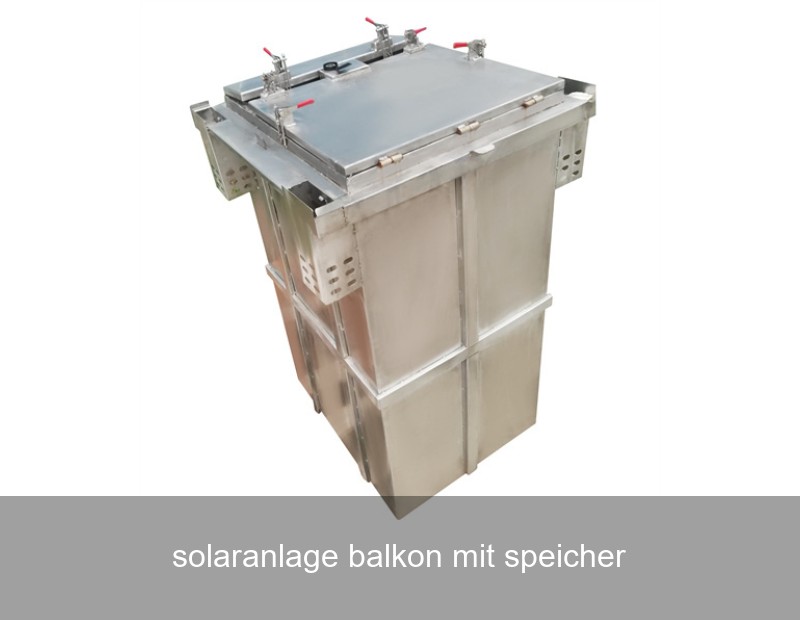
Have you ever looked at your sunny balcony or terrace and imagined it quietly generating clean electricity for your home? You're not alone. Across Europe and the U.S., a quiet energy revolution is taking place right on people's balconies. Solaranlage Balkon mit Speicher—or balcony solar systems with storage—are transforming renters and homeowners into proactive energy producers. But what happens when the sun sets? That's where the magic of integrated storage comes in, turning a simple solar panel into a resilient personal power plant. Let's explore how this technology works and how it can empower your energy future.
Table of Contents
What is a Balcony Solar System with Storage?
Often called "plug-in solar" or "balcony power plants," these are compact, all-in-one renewable energy solutions designed for easy installation. Unlike traditional rooftop systems, they typically consist of one or two panels that plug directly into a standard outdoor socket via a special energy management device. The crucial upgrade is the integrated battery storage. This battery stores excess solar energy produced during the day, making it available to power your devices in the evening or during cloudy periods. It's the difference between only saving on electricity when the sun shines and having true, 24/7 clean energy leverage.

Image: A modern balcony solar setup with integrated storage. Source: Unsplash
Why Now? The Data Driving the Trend
The surge in popularity is no accident. It's a direct response to several powerful forces:
- Soaring Energy Prices: In Europe, household electricity prices have been volatile, creating a strong financial incentive for self-consumption.
- Advancing Technology: Lithium-ion batteries, like those used by leading providers, have become more efficient, compact, and affordable.
- Regulatory Support: Countries like Germany have simplified registration processes, and some U.S. states offer rebates for plug-in solar equipment.
- Growing Eco-Consciousness: Individuals seek tangible ways to reduce their carbon footprint. A IEA report highlights distributed solar as the fastest-growing renewable segment.
The Storage Advantage: Beyond the Basics
Without a battery, a standard balcony solar module might only directly offset 20-40% of its potential because you're often away when it's producing. Add storage, and that self-consumption rate can soar to 60-80%. This isn't just about powering a lamp; it's about consistently running your Wi-Fi router, charging devices, or even powering a high-efficiency fridge, directly from your balcony.
Key Components of a Smart System
A robust Solaranlage Balkon mit Speicher is more than just a panel and a power bank. It's an integrated ecosystem.
| Component | Function | Why It Matters |
|---|---|---|
| High-Efficiency Solar Panel | Converts sunlight into DC electricity. | Monocrystalline panels offer the best space efficiency for limited balcony space. |
| Smart Energy Manager (Micro-Inverter) | Converts DC to AC, syncs with the grid, ensures safety. | The brain of the system. Prevents backfeed, optimizes output, and enables plug-and-play installation. |
| Lithium-Ion Battery Storage | Stores surplus energy for later use. | Enables evening usage, provides backup during brief grid interruptions, and maximizes ROI. |
| Intuitive Monitoring App | Provides real-time data on production, consumption, and battery status. | Empowers you to understand and optimize your energy habits, turning data into savings. |
This is where expertise matters. Companies like Highjoule have spent nearly two decades refining this integration. Our EcoNode Balcony ESS is engineered specifically for this market. It combines a sleek, high-output panel with our patented StorCore™ lithium-iron-phosphate (LFP) battery technology—known for its exceptional safety and longevity—and a smart inverter that manages the flow of energy seamlessly. The entire system is managed via the Highjoule Home app, giving you control from your smartphone.
Real Impact: A Case Study from Berlin
Let's move from theory to practice. Meet Anna and Tom, a couple living in a rented apartment in Berlin's Prenzlauer Berg district. In early 2023, they installed a 600W balcony system with a 1.2 kWh Highjoule battery storage unit.
- Setup: Two panels mounted on their south-west facing balcony railing.
- Goal: Reduce base-load electricity consumption and gain some energy security.
- Data (Over 12 Months):
- Total Solar Generated: 512 kWh
- Self-Consumption with Battery: 78% (400 kWh used directly)
- Grid Import Reduction: Estimated 25% on their annual bill.
- CO2 Avoided: Approximately 180 kg, equivalent to a 1,000 km car journey.
"The psychological benefit is huge," Anna notes. "During the recent winter grid alerts, knowing our internet, lights, and phone charging could run off our own stored sun power was incredibly reassuring. It's not just about savings; it's about resilience." This mirrors findings from the Fraunhofer Institute for Solar Energy Systems, which emphasizes the growing value of storage in maximizing self-use.

Image: Monitoring your balcony solar system's performance in real-time. Source: Unsplash
Choosing Your System: Critical Questions to Ask
Not all systems are created equal. As you research your Solaranlage Balkon mit Speicher, keep these points in mind:
1. Safety and Certification
Ensure the system has full grid compliance (like VDE-AR-N 4105 in Europe or UL 1741 in the U.S.). The inverter must prevent islanding. Highjoule systems are pre-certified for key markets, providing peace of mind.
2. Battery Chemistry and Warranty
LFP batteries are the gold standard for home storage due to their thermal stability and cycle life. Look for a warranty that guarantees a high percentage of capacity retention over many years (e.g., 10 years at 70% capacity).
3. Scalability and Ecosystem
Can you add an extra battery later if you move to a larger space? Does the provider offer a holistic ecosystem? Highjoule's modular design allows for future expansion and can integrate with broader home energy management solutions.
The Future of Balcony Power: A Grid of Citizen Producers
The rise of Solaranlage Balkon mit Speicher is a cornerstone of the democratized energy future. Imagine millions of balconies and small spaces not just consuming, but intelligently generating and storing energy. This aggregated "virtual power plant" can provide stability to the local grid. The technology is here, and it's accessible. The question shifts from "Is it possible?" to "What will you power first with your own slice of the sun?"
Could your balcony be the next node in a cleaner, more resilient energy network? What's the first appliance you'd love to know is running on sunshine, even after dark?
 Inquiry
 Online Chat