


Solar Panel 220V Systems: How Much Do They Really Cost?
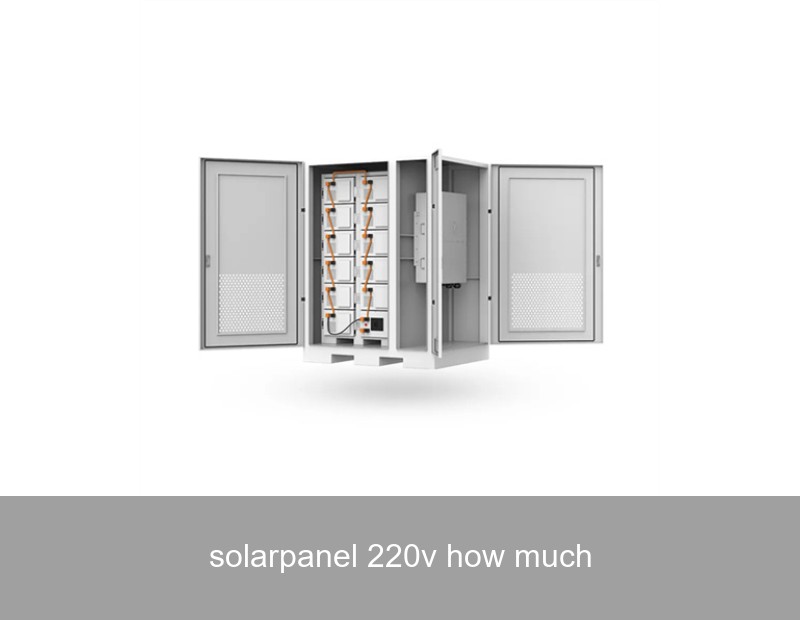
You're considering solar panels and have a crucial question: solar panel 220v how much? It's a smart starting point, but the answer isn't a single number on a price tag. The cost of a complete 220V solar power system depends on a symphony of components, your energy goals, and the intelligence of the system itself. As a global leader in advanced energy storage since 2005, Highjoule is here to demystify the investment. Think of it not just as purchasing panels, but as building your own resilient, clean power plant.
Table of Contents
The Real Cost: Beyond Just Panels
Asking "solar panel 220v how much?" is like asking "how much does a house cost?" The solar panels themselves are just the roof and walls. A functional 220V system for your home or business requires several key components that work in unison. The final price reflects the quality, capacity, and intelligence of this entire ecosystem.
The Price Range Phenomenon
In the U.S. and Europe, a typical residential 5kW to 10kW system (sufficient for many households) can range from $15,000 to $30,000 before incentives. But why such a wide range? The variance comes down to equipment quality, installation complexity, and—critically—whether you include battery storage. A system with just panels and an inverter will cost significantly less upfront than one designed for energy independence with storage.
Key System Components & Cost Factors
Let's break down the orchestra of parts that create your 220V solar power.
| Component | Role | Cost Influence |
|---|---|---|
| Solar Panels (Modules) | Convert sunlight into direct current (DC) electricity. | ~15-25% of system cost. Efficiency (e.g., 21% vs. 18%) and durability affect price. |
| Inverter(s) | Converts DC electricity to usable 220V AC electricity for your home. | ~10-15% of cost. Micro-inverters (per-panel) cost more than string inverters but offer better performance in shade. |
| Battery Energy Storage System (BESS) | Stores excess solar energy for use at night or during outages. | This is the major variable. Can add 40-60%+ to the system cost but delivers resilience and maximizes self-use. |
| Mounting & Racking | Secures panels to roof or ground. | ~10% of cost. Varies with roof type and installation difficulty. |
| Balance of System (BOS) & Installation | Wiring, switches, monitoring, and professional labor. | ~20-30% of cost. Professional installation is non-negotiable for safety and warranty. |
Image source: Unsplash. Professional installation is a critical part of system cost and long-term performance.

The Storage Factor: Where Value Multiplies
This is where the "how much" question gets truly interesting. Adding a battery like Highjoule's H-PowerStack transforms your system. Instead of exporting excess solar to the grid for low feed-in tariffs, you store it. This shields you from peak utility rates (like during evening demand spikes) and provides backup power. The cost is higher upfront, but the long-term savings and security are transformative. According to the U.S. Department of Energy, pairing storage with solar maximizes the financial return in many markets.
A Real-World Case: The Munich Bakery
Let's move from theory to practice. A family-run bakery in Munich, Germany, faced high operational costs and wanted to ensure refrigeration stability. Their question was similar: "How much for a 220V solar system to power our ovens and coolers?"
- Phenomenon: High daytime energy demand, vulnerability to grid fluctuations.
- Data & Solution: A 24kW solar array was installed, paired with a 40kWh Highjoule H-PowerStack Commercial battery system.
- Result: The system now provides 75% of their total energy needs. They use solar directly during the day, charge batteries with the excess, and then power their early morning baking shifts from stored energy—avoiding the highest grid rates. The project had a total cost of approximately €65,000 but is projected to pay for itself in under 7 years thanks to energy savings and Germany's support for self-consumption. Most importantly, their delicate fermentation processes are no longer at risk from power dips.
Image source: Unsplash. Businesses like bakeries have critical, consistent power needs ideal for solar+storage.

The Highjoule Advantage: Smart Integration
When you invest in a solar panel 220V system, you're investing in decades of performance. That's where Highjoule's expertise becomes critical. We don't just supply components; we provide integrated, intelligent power solutions.
Our H-PowerStack battery systems, for both residential and commercial use, are built with lithium iron phosphate (LFP) chemistry for exceptional safety and longevity. They integrate seamlessly with leading solar inverters. More importantly, our Energy Management System (EMS) is the brain of the operation. It learns your consumption patterns, weather forecasts, and utility rate schedules to automatically decide the most economical moment to store solar energy, use it, or export it.
For a homeowner, this might mean ensuring your electric vehicle charges only with surplus solar. For an industrial client, it could mean automatically switching to battery power during peak demand charges, saving thousands annually. This intelligent layer, which we include as part of our holistic service, is what turns a capital expense into a strategic asset. You can explore the technology behind modern grid services via the National Renewable Energy Laboratory.
Making Your Decision: Key Questions to Ask
So, before you fixate on a single price, ask yourself and potential suppliers these questions:
- What is my primary goal? (Lower bills, backup power, sustainability, all three?)
- Does the quoted price include only panels, or a full system with integrated storage and smart management?
- How does the system handle grid outages? Does it simply shut off, or can it island my home/business?
- What is the expected lifecycle of the battery, and what is its degradation warranty?
- Can the system adapt to future changes, like adding more panels or an EV charger?
The Solar Energy Industries Association (SEIA) consistently reports that system costs are more than offset by rising energy prices and increased savings over time, especially with storage.
Image source: Unsplash. A modern energy-independent home with solar, storage, and electric vehicle integration.

Your Next Step
The question "solar panel 220v how much?" is the beginning of your energy independence journey. The most cost-effective system is one meticulously designed for your unique load profile, location, and aspirations. It's not just about the lowest price today; it's about the highest value and security for the next 25 years.
What specific energy challenge in your home or business would be solved by having a reliable, intelligent flow of 220V power, day and night?
 Inquiry
 Online Chat