


How Much Does a Solar Battery Storage System Cost? A Real-World Breakdown
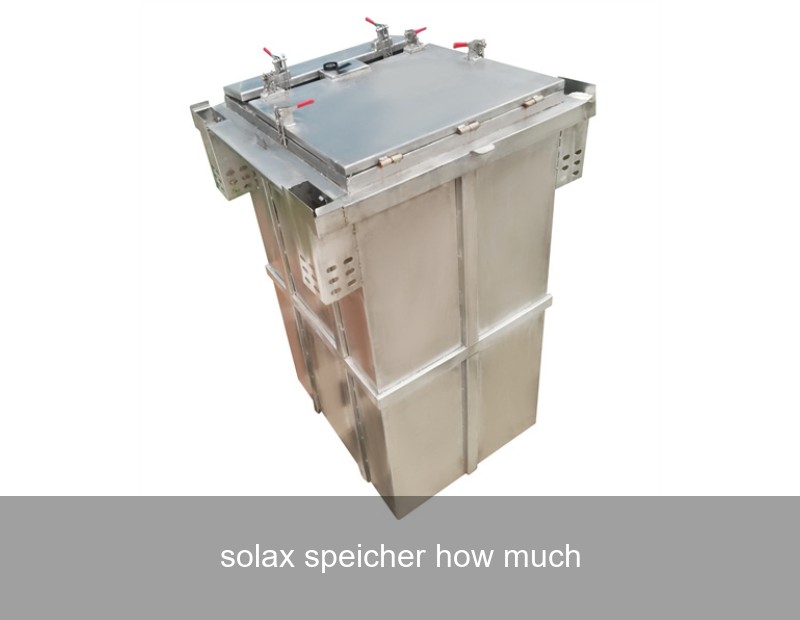
You've made the smart decision to invest in solar panels. Now, you're hearing about the next logical step: a battery storage system, like those from popular brands such as SolaX. The question that naturally follows is, "SolaX speicher how much?" or more broadly, "What's the real cost of adding battery storage to my home?" The answer isn't a single number. It's a value equation involving technology, your energy habits, local incentives, and the long-term benefits of true energy independence. Let's move beyond the sticker price and explore what you're really investing in.
Table of Contents
- The Price Puzzle: More Than Just a Box
- Cost Breakdown: Hardware, Software, and Expertise
- The Highjoule Difference: Intelligence That Pays for Itself
- Real Case Study: A German Household's Journey to 80% Self-Sufficiency
- Looking Beyond the Price Tag: The True Value of a Smart System
- Your Next Step: From Cost Question to Custom Solution
The Price Puzzle: More Than Just a Box
Asking for the price of a solar battery is like asking for the price of a car. The range is vast. A basic, low-capacity system might start around €4,000-€6,000 before installation, while a high-capacity, feature-rich system for a large home can exceed €15,000. In the US, similar ranges apply, typically from $8,000 to $20,000+ before federal tax credits. Why such a wide band? Because the hardware—the battery modules and inverter—is just one part of the story. The total cost is a blend of capacity (kWh), power output (kW), system intelligence, installation complexity, and crucially, the quality of the integration.

Image: A modern home energy system integrates panels, storage, and intelligent management. (Source: Unsplash)
Cost Breakdown: Hardware, Software, and Expertise
To understand the "how much," let's dissect the components of a typical solar-plus-storage quote.
| Cost Component | What It Covers | Impact on Price & Performance |
|---|---|---|
| Battery Storage Unit | The physical battery (e.g., lithium-ion modules) and its built-in battery management system (BMS). | Higher usable capacity (kWh) and peak power (kW) increase cost. Chemistry (e.g., LFP) affects longevity and safety. |
| Hybrid Inverter or AC Coupling | The brain that manages energy flow between solar, battery, home, and grid. | A high-efficiency, robust inverter is critical. An all-in-one hybrid unit may differ in cost from adding a separate inverter to an existing system. |
| Energy Management System (EMS) | The software intelligence that optimizes charging/discharging based on weather, tariffs, and usage. | This is where value is created. A smart EMS can boost savings by 20-40% vs. a basic system, justifying a higher initial investment. |
| Installation & Integration | Professional electrical work, permitting, system commissioning, and integration with existing solar. | Varies by roof/electrical complexity. A certified, experienced installer ensures safety and performance. |
| Long-Term Service & Warranty | Coverage for performance and defects, often 10+ years. | Comprehensive warranties from reputable providers like Highjoule offer peace of mind and protect your investment. |
The Highjoule Difference: Intelligence That Pays for Itself
This is where the conversation shifts from pure cost to value optimization. At Highjoule, we see the battery not just as a storage tank, but as the heart of an intelligent home energy ecosystem. Our H-Stack Commercial & Industrial and H-Core Residential systems are built with this philosophy.
While you might be researching "SolaX speicher how much," consider what that price includes. Our systems feature advanced lithium iron phosphate (LFP) chemistry for unparalleled safety and cycle life. More importantly, our Adaptive Energy OS software uses AI and real-time data to make autonomous decisions. It learns your consumption patterns, predicts solar production, and integrates with dynamic electricity tariffs (common in Europe) or time-of-use rates (in the US). This means it automatically discharges during peak price periods and charges when rates are low or solar is abundant, maximizing your bill savings every single day.
So, when evaluating cost, ask: Is this a passive battery or an active energy manager? The latter, like Highjoule's solutions, often delivers a faster and greater return on investment, effectively lowering the lifetime cost of your system.
Real Case Study: A German Household's Journey to 80% Self-Sufficiency
Let's ground this in reality with data from a 2023 installation in Bavaria, Germany—a market with high electricity prices and strong adoption of renewables.
- Household Profile: Family of four, 5,500 kWh annual consumption, existing 8 kWp solar array.
- Challenge: High grid feed-in tariffs were declining, while purchase prices were rising. They were using only 30% of their solar power directly.
- Solution: Installation of a Highjoule H-Core 10 kWh system with Adaptive Energy OS.
- Results (First 12 Months):
- Self-consumption rate increased from 30% to over 80%.
- Grid electricity purchases reduced by 70%.
- By leveraging the system's tariff-aware mode, they saved an additional €450 annually compared to basic, schedule-based operation.
- The projected payback period, including Germany's BAFA subsidy, was calculated at under 8 years.

Image: Intelligent monitoring software shows energy flows and savings in real-time. (Source: Unsplash)
This case shows that the right question isn't just "SolaX speicher how much?" but "How much can the right system save me?" For authoritative information on storage benefits, you can review data from the U.S. Department of Energy or the European Commission's PVGIS tool for solar potential.
Looking Beyond the Price Tag: The True Value of a Smart System
The initial investment secures multiple layers of value that unfold over decades:
- Bill Security: You lock in a large portion of your energy cost at near-zero marginal cost, insulating yourself from volatile utility rates.
- Resilience: During grid outages, a system like Highjoule's with seamless backup functionality keeps your lights on and critical appliances running—a value that's hard to quantify until you need it.
- Sustainability: You maximize the use of your clean solar energy, reducing your carbon footprint more effectively than with solar alone.
- Grid Support & Future Revenue: In some regions, virtual power plant (VPP) programs allow your battery to support the grid and earn you money. Highjoule's systems are designed to participate in these future markets.
Your Next Step: From Cost Question to Custom Solution
We've moved from a simple price query to a comprehensive understanding of value. The most accurate answer to "how much" comes from a personalized assessment. Your ideal system size and configuration depend on your daily load profile, solar production, local climate, electricity rate structure, and personal resilience goals.
Instead of searching for a generic price online, what specific energy data from your home would be most helpful to share with an expert to get a truly tailored proposal?
 Inquiry
 Online Chat