


Unlocking Energy Independence: A Deep Dive into the Solplanet Hybrid Inverter
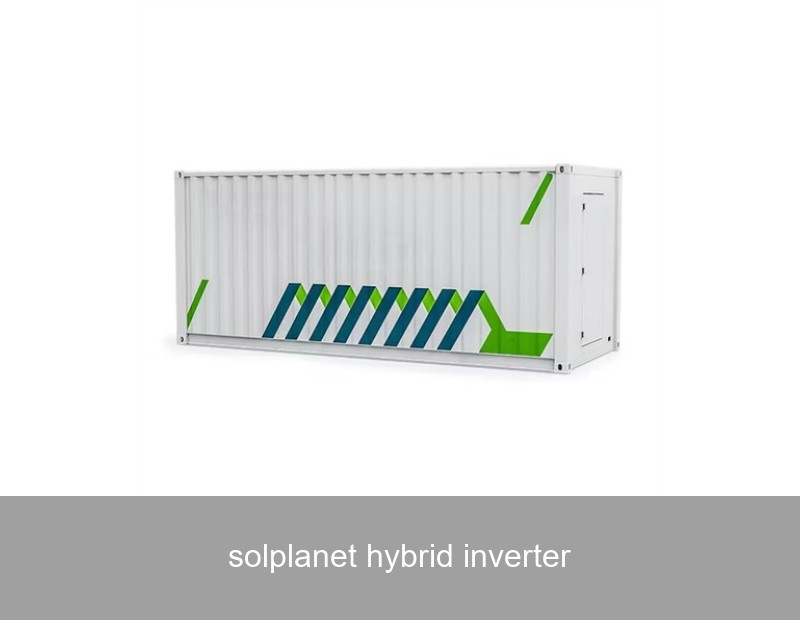
Have you ever looked at your electricity bill and wondered, "There must be a better way"? For homeowners and businesses across Europe and the US, this thought is increasingly leading to a powerful solution: solar energy systems. But the true magic of modern solar isn't just on the roof; it's in a smart device that manages power like a conductor leads an orchestra. That device is the Solplanet hybrid inverter. This technology is the intelligent core of a system that not only converts solar energy but also stores it, manages grid interaction, and ultimately puts you in control of your power. As a global leader in advanced energy storage, Highjoule understands that the inverter is the brain of any sustainable energy setup, and we integrate top-tier components like these into our comprehensive, smart power solutions for homes and businesses.
Table of Contents
- What is a Solplanet Hybrid Inverter?
- The Energy Shift: Why Hybrid Tech is Essential Now
- How a Hybrid Inverter Works: Your Personal Energy Manager
- Key Benefits for Homeowners and Businesses
- A Real-World Case: Stability in the Spanish Sun
- Choosing the Right System: Beyond the Inverter
- Is Your Home Ready for This Energy Upgrade?
What Exactly is a Solplanet Hybrid Inverter?
Let's break it down simply. A traditional solar inverter has one job: convert the Direct Current (DC) electricity from your solar panels into Alternating Current (AC) that your home appliances can use. A hybrid inverter, like those in the Solplanet line, is a multi-talented powerhouse. It performs that core conversion but also has a built-in or compatible battery charger. This allows it to connect to a battery storage system, intelligently deciding whether to send solar energy to power your home, charge the batteries for later use, or export excess to the grid.
Think of it as the central command unit. It constantly monitors energy production, consumption, battery level, and grid conditions, making real-time decisions to optimize for self-sufficiency, cost savings, or backup readiness. For over 18 years, Highjoule has specialized in designing systems where this intelligence is seamlessly integrated, ensuring that every component—from the inverter to the battery to our proprietary energy management software—works in perfect harmony.

Image Source: Unsplash - A modern hybrid inverter forms the core of an efficient energy system.
The Energy Shift: Why Hybrid Technology is Essential Now
The global energy landscape is changing rapidly. We're seeing two parallel phenomena: a surge in renewable adoption and increasing grid instability. In Europe, energy security concerns and volatile prices have accelerated the demand for self-sufficiency. In the US, grid reliability issues, from wildfires in California to winter storms in Texas, have highlighted the need for resilience.
The data speaks volumes. According to the International Energy Agency (IEA), global renewable capacity is set to expand by 2,400 gigawatts between 2022-2027. But this intermittent solar and wind power needs to be balanced. This is where hybrid systems shine. They don't just produce energy; they time-shift it. You can store cheap, clean solar power generated at noon and use it during the expensive, grid-intensive evening peak. This isn't just good for your wallet; it alleviates stress on the public grid, making the entire system more robust.
How a Hybrid Inverter Works: Your Personal Energy Manager
Let's walk through a typical day managed by a Solplanet hybrid inverter system, like those Highjoule expertly configures for our clients.
- Morning (Low Sun): The home draws power from the grid or the batteries topped up overnight.
- Midday (Peak Production): Solar panels generate more DC power than the home needs. The hybrid inverter converts it to AC, powers the home first, then directs the surplus to charge the connected battery bank. Once batteries are full, excess can be exported to the grid for credits (where available).
- Evening (Peak Demand): As the sun sets and family energy use spikes, the inverter seamlessly switches to drawing power from the charged batteries, avoiding expensive grid electricity.
- Grid Outage (Backup Mode): During a blackout, a critical feature activates. The hybrid inverter can isolate the home from the grid (forming a "microgrid") and continue powering essential loads from the solar panels and batteries. This resilience is a cornerstone of Highjoule's value proposition for both residential and commercial clients.
| Time of Day | Energy Source Priority | Inverter Action |
|---|---|---|
| Morning | Battery > Grid | Draws from stored energy first |
| Midday | Solar > Battery > Grid Export | Powers home, charges battery, exports excess |
| Evening/Night | Battery > Grid | Discharges battery to avoid peak rates |
| Power Outage | Solar + Battery | Isolates home and provides backup power |
Key Benefits: Why Choose a Hybrid System?
1. Maximized Self-Consumption
This is the primary economic driver. By storing excess solar energy instead of selling it at a lower rate, you increase your own use of free, clean power from ~30% (with solar-only) to 70% or more. The Solplanet hybrid inverter is the key that unlocks this potential.
2. Enhanced Energy Resilience
For businesses, a power outage means lost revenue. For families, it's a major disruption. A hybrid system with backup functionality provides peace of mind. Highjoule's systems are designed with this reliability front and center, ensuring critical circuits stay on.
3. Future-Proof Investment
Energy markets and regulations evolve. A quality hybrid inverter is a platform. It allows you to easily expand battery capacity later or adapt to new tariff structures via software updates. This flexibility protects your investment long-term.
Image Source: Unsplash - A hybrid system future-proofs a home for solar, storage, and EV charging.
A Real-World Case: Achieving Stability in the Spanish Sun
Consider a practical example from our portfolio in Southern Europe. A medium-sized winery in Andalusia, Spain, faced two challenges: high energy costs for refrigeration and irrigation, and occasional grid dips affecting sensitive equipment. Highjoule designed and installed a 120kW solar array coupled with a 240kWh battery storage system, centered on multiple parallel Solplanet hybrid inverters.
The Results (12-month period):
- Grid Independence: Achieved 92% self-consumption of solar energy.
- Cost Savings: Reduced energy bills by 78% annually.
- Reliability: Eliminated production stoppages due to minor grid fluctuations.
- Sustainability: Reduced carbon footprint by an estimated 62 tonnes of CO2 per year.
This case, documented in part with data from the European Statistical Office (Eurostat) on industrial energy prices, illustrates the tangible ROI and operational benefits a well-integrated hybrid system delivers. The winery now uses its self-generated solar power to run cooling systems at night and has a guaranteed power supply during critical harvest and fermentation periods.
Choosing the Right System: It's More Than Just the Inverter
While the Solplanet hybrid inverter is a superb technological component, its performance is magnified within a perfectly balanced system. This is where Highjoule's expertise as a system provider becomes critical. We don't just sell hardware; we deliver optimized energy solutions.
Our process involves:
- Detailed Energy Assessment: Analyzing your consumption patterns, roof space, and local climate.
- Component Synergy: Pairing the inverter with correctly sized, high-cycle-life batteries (like our Highjoule H-Cell series) and high-efficiency panels.
- Intelligent Software: Implementing our Highjoule Energy OS, which provides monitoring, control, and can even respond to dynamic grid signals or time-of-use tariffs automatically.
- Professional Integration: Ensuring safe, code-compliant installation and seamless system commissioning.
A study by the National Renewable Energy Laboratory (NREL) emphasizes that system design and installation quality are among the top factors influencing long-term solar+storage performance and safety.
Is Your Home or Business Ready for This Energy Upgrade?
The journey to energy independence starts with a question. What are your primary goals: slashing your electricity bill, gaining protection from outages, or simply maximizing your contribution to a cleaner grid? Understanding your "why" is the first step. The technology, led by intelligent hybrid inverters, is proven and readily available. The question is no longer if a smart, resilient energy system makes sense, but when you will make the shift. What would you power first during an outage, and how much value would you place on knowing it will stay on?
 Inquiry
 Online Chat