


Solární Ostrovní Systém na Chatu: Your Complete Guide to Off-Grid Cabin Freedom
your cozy mountain hut or secluded forest cabin, bathed in quiet sunlight. Inside, the lights are on, the fridge hums softly, and you can charge your devices—all without a single power line in sight. This isn't a fantasy; it's the reality made possible by a solární ostrovní systém na chatu (solar island system for a cabin). For homeowners across Europe and the US seeking true energy independence for their remote getaways, this technology has evolved from a niche novelty into a robust, reliable, and surprisingly intelligent solution. Let's explore how you can harness the sun to power your perfect escape.
The Key Components of a Reliable Cabin Solar Island System
An off-grid solar system is more than just panels on the roof. It's a carefully engineered ecosystem where each part plays a vital role. Understanding these components is the first step to planning your system.
- Solar Panels: Your power plant. They capture sunlight and convert it into direct current (DC) electricity. For cabins, durability and efficiency in varying weather conditions are paramount.
- Charge Controller: The guardian of your battery. It regulates the voltage and current from the panels to safely charge the batteries, preventing overcharging which can significantly reduce battery life.
- Battery Energy Storage System (BESS): The heart of your ostrovní systém. This is where your solar energy is stored for use at night or on cloudy days. The choice of battery technology defines your system's capacity, lifespan, and reliability.
- Inverter: The translator. It converts the DC electricity stored in your batteries into the alternating current (AC) that powers standard household appliances, from coffee makers to power tools.
- Backup Generator (Optional but Recommended): A safety net for prolonged periods of low sunlight. A modern system can automatically start a generator to recharge batteries if needed, ensuring uninterrupted power.

Image Source: Unsplash - A typical off-grid cabin setup with roof-mounted solar panels.
The Critical Role of Modern Battery Storage
While all components are important, the battery is the linchpin. Traditional lead-acid batteries are being rapidly outpaced by Lithium Iron Phosphate (LiFePO4) technology, especially for cabin use. Why? They offer a longer lifespan (often 10+ years), deeper safe discharge, require zero maintenance, and are more compact and lightweight. For a cabin you visit intermittently, a battery that holds its charge and doesn't need constant babysitting is invaluable.
Real-World Case Study: Powering a Mountain Retreat in the Austrian Alps
Let's move from theory to practice. Consider a project we at Highjoule completed for a 80m² timber cabin in the Tyrol region of Austria, situated at 1,200 meters altitude. The owners wanted year-round usability for weekend trips, with power for lighting, a small fridge, a water pump, a laptop, and basic kitchen appliances.
The Challenge: Harsh winters with heavy snow, significant shade from surrounding pines in the morning, and no possibility of grid connection. The system had to be robust, automated, and remotely monitorable.
The Highjoule Solution & Results:
| Component | Specification | Rationale |
|---|---|---|
| Solar Panels | 4.2 kWp (12 x 350W bifacial panels) | Bifacial panels capture light reflected from snow, boosting winter yield. |
| Battery Storage | Highjoule H-ESS 10.2 kWh (LiFePO4) | Provides 3-4 days of autonomy. LiFePO4 chemistry performs well in cold climates and is safe for unattended cabins. |
| Inverter/Charger | Highjoule HI-Power 5kW Hybrid Inverter | Manages solar input, battery charging/discharging, and can integrate a small backup generator. |
| Monitoring | Highjoule Smart Energy Gateway | Owners check system status, energy production, and consumption via a smartphone app from their city home. |
Outcome: In the first year, the system generated over 4,100 kWh, covering 100% of the cabin's energy needs. The owners reported a crucial moment during a December snowstorm: while the nearby grid failed for several hours, their cabin remained warm and powered, thanks to the fully charged battery bank. This case underscores that a well-designed solární ostrovní systém isn't just about convenience—it's about resilience. For more on energy resilience in remote areas, see this report by the International Energy Agency (IEA).
Beyond the Basics: Smart Management and Modern Battery Tech
Today's systems are intelligent. Advanced energy management systems (like those integrated into Highjoule's solutions) do more than just switch power sources. They learn your consumption patterns, prioritize which appliances to power, and can even divert excess solar energy to heat water—maximizing every watt harvested. This smart management is what transforms a simple solar setup into a truly efficient and user-friendly ostrovní systém.

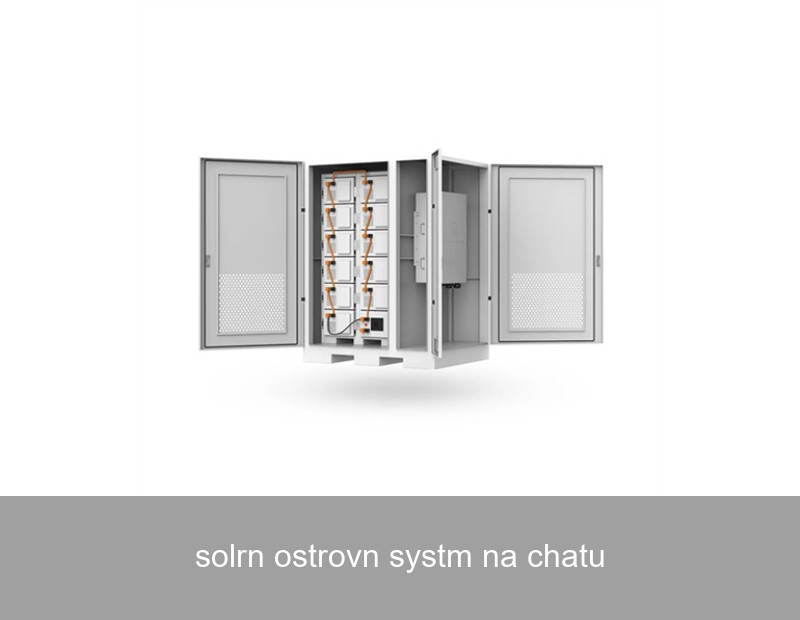
Image Source: Unsplash - A modern, compact lithium-ion battery storage unit for residential use.
The Highjoule Approach: Intelligent Power for Your Remote Sanctuary
At Highjoule, with nearly two decades of experience in advanced energy storage, we understand that a cabin is a personal sanctuary. Our products and services are designed to deliver peace of mind alongside power. For your solární ostrovní systém na chatu, we offer tailored solutions featuring our H-ESS (Home Energy Storage System) series with durable LiFePO4 batteries and our intelligent HI-Power Hybrid Inverters. These components are engineered to communicate seamlessly, providing a system that is not only powerful but also self-protecting and easy to monitor from anywhere in the world via our user-friendly app.
Our process involves working with you and our network of certified installers to assess your specific site, energy needs, and usage patterns. We don't believe in one-size-fits-all; a system for a hunting lodge in Montana will differ from one for a summer cottage in Provence. Factors like solar irradiance data (you can check preliminary data for your region via the European Commission's PVGIS tool), seasonal occupancy, and critical loads are all factored into the design.
Planning Your System: Key Questions to Ask
Embarking on your off-grid journey is exciting. To start on the right foot, ask yourself these questions:
- What appliances do I need to run (fridge, water pump, heating circulator) and what would I like to run (espresso machine, power tools)?
- How many people will typically use the cabin, and during which seasons?
- What is my budget, considering not just equipment but professional installation and potential future expansion?
- How important is remote monitoring and maintenance-free operation to me?
Remember, the goal is to design a system that feels effortless. You shouldn't be constantly worrying about your power; you should be enjoying the solitude it enables.
 Inquiry
 Online Chat