


Stockage Energie Electrique: The Keystone of a Modern, Renewable Grid
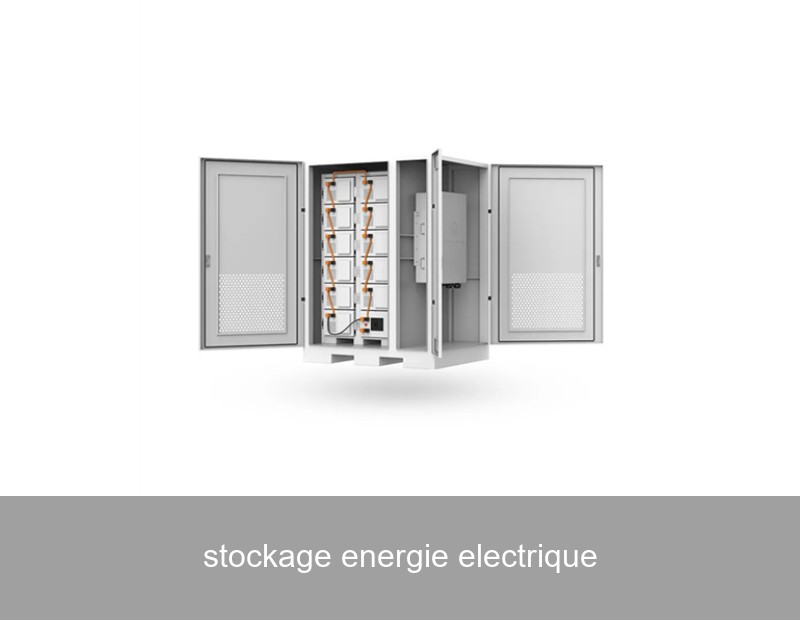
Let's talk about a simple truth: the sun doesn't always shine, and the wind doesn't always blow. Yet, our modern world demands constant, reliable power. This fundamental mismatch is the single biggest challenge in our transition to clean energy. The solution? Stockage energie electrique, or electric energy storage. It's not just a piece of technology; it's the crucial enabler that transforms intermittent renewable sources into a dependable foundation for our entire electricity system. Think of it as the "energy bank" for our planet—saving surplus clean power for when we need it most.
Why Energy Storage Matters Now More Than Ever
The global push for decarbonization is accelerating. In Europe and the United States, ambitious targets for renewable energy adoption are set, but integrating these variable sources creates grid instability. Without stockage energie electrique, we face two harsh realities: curtailment (wasting excess solar and wind power) and reliance on fossil-fuel "peaker" plants during high demand.
Consider this data: The U.S. Energy Information Administration (EIA) projects that battery storage capacity in the U.S. will nearly double in 2024 alone. In Europe, the European Association for Storage of Energy (EASE) estimates that the EU needs nearly 200 GW of energy storage by 2030 to meet its climate goals. The market isn't just growing; it's exploding. This isn't a niche trend—it's a fundamental reshaping of our energy infrastructure, driven by the urgent need for resilience, sustainability, and cost control.

Image Source: Unsplash - A visual representation of grid-scale battery storage.
The Technology Behind Modern Grids: More Than Just Batteries
When we say stockage energie electrique, lithium-ion batteries often come to mind first, and for good reason. They are the agile sprinters—excellent for rapid response, frequency regulation, and short-to-medium duration storage (2-6 hours). But the technology ecosystem is broader.
- Lithium-ion Batteries: The workhorse for commercial, industrial, and residential applications. High energy density and fast response times make them ideal for pairing with solar PV.
- Flow Batteries: Using liquid electrolytes, these systems excel in long-duration storage (8+ hours), offering excellent cycle life and scalability for microgrids and utility-scale projects.
- Thermal & Mechanical Storage: This includes pumped hydro (the majority of today's global capacity), compressed air, and even gravity-based systems. They provide massive, long-duration storage.
The key is not a single technology winning, but the right technology applied to the right application. An effective energy strategy involves a portfolio of storage solutions.
Choosing the Right Storage Solution: A Simplified Guide
| Application | Primary Need | Recommended Technology | Typical Duration |
|---|---|---|---|
| Residential Rooftop Solar | Self-consumption, backup power | Lithium-ion Home Battery | 2-12 hours |
| Commercial & Industrial | Peak shaving, demand charge reduction | Lithium-ion Containerized System | 2-4 hours |
| Utility Grid Services | Frequency regulation, grid stability | Lithium-ion or Flywheel | Seconds to 1 hour |
| Microgrid / Off-grid | Long-duration resilience, renewable integration | Flow Battery or Hybrid System | 8+ hours |
Real-World Impact: A California Case Study
Data and theory are one thing, but let's look at a real-world example. California, a leader in renewable adoption, has also become a global leader in stockage energie electrique deployment. The state faced a well-publicized threat of rolling blackouts during extreme heatwaves, when demand soared just as solar generation dropped in the evening.
In response, utilities rapidly scaled up grid-scale battery storage. According to the California Independent System Operator (CAISO), battery storage resources played a critical role in maintaining grid reliability during a historic heat wave in September 2022. On an evening where the grid was under immense strain, batteries discharged a record 3,360 megawatts of power to the grid—that's equivalent to the output of several large natural gas plants, but activated in milliseconds. This intervention was pivotal in preventing outages for millions of customers. This case proves that energy storage is no longer a pilot project; it is a mission-critical, grid-scale asset.
Intelligent Power: Highjoule's Approach to Energy Storage
At Highjoule, we've been at the forefront of this transformation since 2005. We understand that effective stockage energie electrique is not just about selling battery racks; it's about delivering intelligent, integrated power solutions. Our systems are designed with the unique challenges of the European and North American markets in mind, focusing on safety, longevity, and maximum return on investment.
Our flagship product line, the H-Series Modular Energy Storage System, is a prime example. It's a containerized, plug-and-play solution built with lithium iron phosphate (LFP) battery chemistry, renowned for its superior safety and long cycle life. What makes it truly intelligent is the integrated Highjoule Energy Management System (EMS). This software brain doesn't just monitor battery health; it autonomously optimizes energy flows based on real-time electricity prices, weather forecasts, and consumption patterns. For a factory in Germany, this means automatically reducing peak demand charges. For a solar farm in Texas, it means deciding the most profitable moment to sell stored energy back to the grid.

Image Source: Unsplash - Representing intelligent energy management and control.
Beyond hardware, Highjoule offers comprehensive services: from initial feasibility studies and system design to financing support, installation, and 24/7 remote monitoring. We partner with businesses, utilities, and communities to build resilient microgrids that can operate independently from the main grid, a feature becoming increasingly valuable in the face of climate-induced extreme weather events.
Highjoule Solutions at a Glance
- For Homes: The Highjoule HomePower unit, enabling energy independence and backup security.
- For Business & Industry: Scalable H-Series units for peak shaving, bill management, and sustainability reporting.
- For Utilities & Developers: Turnkey, grid-scale storage projects and integration services for renewable plants.
The Future Outlook: Where Do We Go From Here?
The trajectory for stockage energie electrique is steeply upward. We're moving towards even lower costs, higher energy densities, and new chemistries like sodium-ion. More importantly, the concept of a "smart grid" will become a reality, where millions of distributed storage assets—from home batteries to electric vehicles—are aggregated into virtual power plants (VPPs). These VPPs will act as a flexible, decentralized network that supports the main grid, a concept Highjoule is actively developing with partners across Europe and North America.
Policy will continue to be a major driver. The U.S. Inflation Reduction Act (IRA) and the European Green Deal are injecting significant investment and creating favorable frameworks for storage deployment. The business case is now clearer than ever: storage is shifting from a cost to a strategic asset that generates revenue and mitigates risk.
So, as you look at your own energy costs, sustainability goals, or operational resilience, the question is no longer if energy storage will play a role, but how and when. What is the first step your organization should take to assess the potential of intelligent energy storage for your specific needs?
 Inquiry
 Online Chat