


Storing Electricity in Batteries: The Keystone of a Modern, Resilient Energy Future
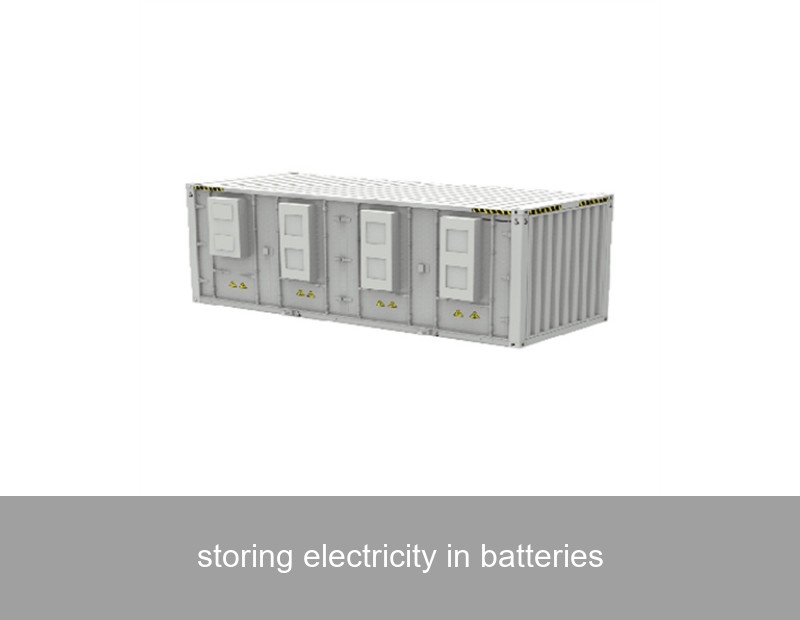
Imagine a world where the sun doesn't set on solar power, and the wind's inconsistency is no longer a problem. This isn't a distant dream; it's the reality being built today through the critical practice of storing electricity in batteries. For decades, electricity was a "use it or lose it" commodity. But with the rapid rise of renewable energy and increasing grid instability, the ability to capture electrons and deploy them precisely when needed has become the single most important enabler of a sustainable and secure energy transition. This article delves into why this technology is revolutionizing how we power our homes, businesses, and communities.
The Power Shift: Why Storing Electricity in Batteries is No Longer Optional
The global energy landscape is undergoing a seismic shift. Coal plants are retiring, and wind and solar are now often the cheapest sources of new power. But this creates a fundamental challenge: intermittency. The sun isn't always shining, and the wind isn't always blowing, yet our demand for power is constant, peaking in the mornings and evenings. This mismatch can lead to wasted renewable energy and reliance on fossil-fuel "peaker" plants during high-demand periods.
This is where storing electricity in batteries comes in as the indispensable solution. It acts as a time machine for energy, allowing us to capture surplus green power during periods of high generation and low demand, and then release it during peak hours or when renewables are offline. The result? A cleaner, more efficient, and more resilient grid. According to the International Energy Agency (IEA), the world needs to add close to 600 GW of battery storage capacity by 2030 to stay on track for net-zero emissions goals. That's a staggering scale, highlighting this technology's central role.

Image Source: Unsplash - A solar farm integrated with battery storage units.
Beyond Backup: The Modern Economics of Battery Storage
While providing emergency backup power is a well-known benefit, the economic case for storing electricity in batteries has expanded dramatically. Modern intelligent systems are revenue-generating assets. Here’s how:
- Energy Arbitrage: Buy and store electricity when rates are low (often midday with high solar output), and use or sell it back when rates are high (peak evening hours).
- Peak Shaving: For commercial and industrial users, utilities often charge "demand charges" based on the highest 15-minute power draw in a month. Batteries can discharge to cap this peak, slashing these charges significantly.
- Grid Services: Large-scale systems can provide vital services to the grid, like frequency regulation, earning revenue for their owners.
- Increased Self-Consumption: For homes with solar, a battery can increase the use of your own solar power from ~30% to 70% or more, maximizing your investment.
Companies like Highjoule are at the forefront of making these benefits accessible. Since 2005, Highjoule has engineered intelligent battery energy storage systems (BESS) that do more than just store energy—they optimize it. Their solutions for commercial, industrial, and residential applications are built with advanced software that constantly analyzes energy prices, consumption patterns, and weather forecasts to make automated, profit-maximizing decisions about when to charge and discharge.
How It Works: The Intelligent Heart of a Modern Battery System
So, what does a modern system for storing electricity in batteries actually look like? It's far more than a simple battery pack. Think of it as an integrated energy ecosystem:
| Component | Function | Highjoule's Approach |
|---|---|---|
| Battery Cells | The core storage medium, typically Lithium-Ion (LFP chemistry is now preferred for safety and longevity). | Uses premium, UL-certified LFP cells with robust thermal management for safety and a 10+ year lifespan. |
| Battery Management System (BMS) | The "brain" of the battery pack, monitoring cell voltage, temperature, and health. | Features a multi-layered, proprietary BMS for precise control and maximum safety. |
| Power Conversion System (PCS) | The inverter/charger; converts DC battery power to AC for your home/business and vice-versa. | Integrates high-efficiency, bi-directional inverters for seamless grid interaction. |
| Energy Management System (EMS) | The master control software that optimizes system operation based on economics and user preferences. | Highjoule's NeuroGrid AI platform is the differentiator, using machine learning to predict and optimize energy flows for the greatest financial and resiliency benefit. |
Real-World Impact: A Case Study from California
Let's look at a real example. A medium-sized winery in Napa Valley, California, faced two major issues: exorbitant demand charges from running refrigeration and fermentation tanks, and frequent grid outages during wildfire prevention shutoffs. They installed a 500 kWh Highjoule C&I battery storage system paired with their existing solar array.
The Results (First 12 Months):
- Demand Charge Reduction: Reduced peak grid draw by 85%, cutting their monthly utility bill by an average of $4,200.
- Outage Protection: Provided seamless backup power for critical cold storage during 3 planned safety outages, preventing spoilage of $250,000+ worth of inventory.
- Increased Solar ROI: Raised their on-site solar consumption from 40% to over 90%, accelerating the payback period on their entire renewable investment.
This case, documented in a National Renewable Energy Laboratory (NREL) report on commercial storage, exemplifies the multi-faceted value proposition. It's not just about saving money or having backup; it's about comprehensive energy independence and business continuity.
Choosing Your System: Key Considerations for Home and Business
If you're considering storing electricity in batteries, here are the critical factors to evaluate:
- Capacity & Power: Capacity (kWh) is your "gas tank" size—how much energy you can store. Power (kW) is how fast you can use it—determining how many appliances you can run at once.
- Chemistry: Lithium Iron Phosphate (LFP) is now the standard for safety, cycle life, and stability, and is used in all Highjoule residential and commercial systems.
- Integration: Does the system integrate seamlessly with existing solar, new solar, or even without solar? Highjoule's systems are designed as flexible, AC- or DC-coupled solutions.
- Intelligence: The software is what unlocks value. Look for systems with smart, forecast-aware controls that can adapt to changing utility rates (like time-of-use).
- Scalability: Can you start with a smaller system and add more capacity later? Modular designs, like Highjoule's, allow for easy future expansion.

Image Source: Unsplash - A modern home battery storage unit.
The Future Grid is a Stored Grid
As we move towards a decarbonized world, the concept of storing electricity in batteries will evolve from an innovative option to a foundational element of our infrastructure. We're moving towards virtual power plants (VPPs), where thousands of distributed home and business systems are aggregated to act as a single, flexible power plant, supporting the grid during extreme stress. Highjoule is actively pioneering these VPP programs, allowing their customers to contribute to grid stability and earn additional rewards.
The journey to energy resilience and sustainability is not a solo endeavor. It requires robust, intelligent technology and a partner who understands the complex interplay between generation, storage, consumption, and the market. What is the first energy challenge you would solve if you had the power to store and dispatch electricity on your own terms?
 Inquiry
 Online Chat