


Sun Pro Battery: How Much Does a Premium Home Energy System Really Cost?
You've seen your neighbors install sleek, modern solar panels, and you've heard the buzz about "home batteries" like the Sun Pro. The promise is alluring: lower electricity bills, energy independence, and a smaller carbon footprint. But the first question that comes to mind is almost always, "A Sun Pro battery, or a system like it, how much will it actually set me back?" The answer isn't a single number. It's a value equation. The cost of a premium solar and battery storage system is an investment, and understanding its components, long-term benefits, and the real-world performance of solutions like those from Highjoule is key to making a smart decision for your home.
Table of Contents
- The Phenomenon: Why "Sun Pro Battery How Much?" is the Wrong First Question
- Breaking Down the Costs: More Than Just a Battery Box
- The Data: When Does It Start Paying You Back?
- Case Study: A Real-World Look at Value in California
- The Highjoule Difference: Smart Integration for Maximum Value
- Making the Decision: What Should You Really Ask?
The Phenomenon: Why "Sun Pro Battery How Much?" is the Wrong First Question
Let's be honest. When we ask about price, we're really asking about value. Focusing solely on the upfront sticker price of a battery can lead you to overlook the system that surrounds it. A high-performance battery like the ones integrated into Highjoule's residential solutions is the heart of the system, but it needs a healthy solar array (the lungs), a sophisticated inverter and energy management system (the brain), and professional design/installation (the nervous system). Asking "how much for the battery?" is like asking for the price of an engine without considering the car it will power. The true cost is for a complete, reliable energy ecosystem.
Breaking Down the Costs: More Than Just a Battery Box
To demystify the investment, let's look at the core components that influence the final figure for a complete solar-plus-storage system.
- Solar Photovoltaic (PV) Array: This is your fuel source. The cost depends on your roof's size, orientation, and the panel efficiency. Higher efficiency panels cost more but generate more power in limited space.
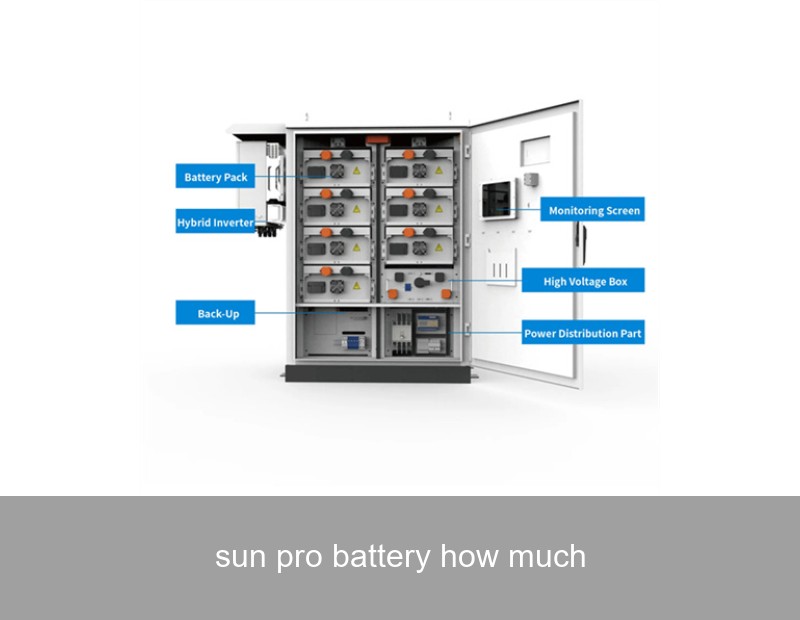
- Battery Storage System: This is your energy bank. Costs are primarily driven by capacity (kWh) – how much energy it can store – and power (kW) – how much it can deliver at once. A system like Highjoule's HES Series for homes offers scalable capacity, allowing you to start with what you need and expand later.
- Inverter & Energy Management System (EMS): The unsung hero. This intelligent hub converts DC solar power to AC for your home, manages energy flow between the grid, solar, battery, and your appliances. Highjoule's Smart EMS is key to optimizing self-consumption and savings.
- Installation & Permitting: Professional installation ensures safety, performance, and compliance with local codes and utility requirements. This is a significant and vital part of the cost.
- Government Incentives & Tax Credits: This is where the net cost drops substantially. In the U.S., the federal Investment Tax Credit (ITC) can cover 30% of the total system cost, including storage. Many European countries and individual U.S. states offer additional rebates.
| System Size | Solar Array | Battery Storage | Estimated Total Cost Range (USD) |
|---|---|---|---|
| Medium (6-8 kW Solar + 10-13 kWh Battery) | ~$15,000 - $20,000 | ~$10,000 - $15,000 | $25,000 - $35,000 |
| Large (10+ kW Solar + 20+ kWh Battery) | ~$22,000 - $30,000 | ~$15,000 - $25,000 | $37,000 - $55,000+ |
Note: These are broad estimates. A precise quote requires a site assessment.
The Data: When Does It Start Paying You Back?
The cost is an outflow, but the system creates multiple streams of value or "inflows." The financial payback period depends on local electricity rates, solar production, and how you use the battery.
- Bill Savings: Using stored solar energy at night avoids buying expensive grid power. In regions with high Time-Of-Use (TOU) rates or demand charges, the savings are dramatic. A study by the National Renewable Energy Lab (NREL) found that pairing solar with storage can increase the amount of solar energy used directly in the home from 20-40% to over 80%, drastically cutting bills.
- Backup Power Value: How much is it worth to keep your lights on, refrigerator running, and medical devices operational during an outage? For many, this resilience is priceless and a primary driver for battery adoption.
- Increased Home Value: Research from Zillow and the U.S. Department of Energy suggests solar panels can increase home value. A modern solar+storage system is an even more attractive feature for buyers.

Image: A modern home energy system powers both the residence and an electric vehicle. Source: Unsplash
Case Study: A Real-World Look at Value in California
Let's move from theory to practice. Consider the Johnson family in Sacramento, California, a market with high electricity rates, frequent Public Safety Power Shutoffs (PSPS), and strong incentives.
- Situation: Their average monthly bill was $280. They experienced 3-5 prolonged grid outages per year.
- Solution: They installed an 8.2 kW solar array paired with a Highjoule HES-13 battery system (13.5 kWh usable capacity).
- Cost & Incentives: Total system cost: $34,500. After the 30% federal ITC and a local utility rebate, their net investment was $21,000.
- Results (Year 1):
- Their annual electricity bill dropped from ~$3,360 to a true-up bill of $312 (savings of ~$3,048).
- Their Highjoule system provided seamless backup during 4 grid outages, totaling 42 hours.
- By programming the Smart EMS to avoid peak grid charges (4-9 pm), they maximized savings.
Their simple payback period? Roughly 6.9 years ($21,000 net cost / $3,048 annual savings). After that, for the remaining 15+ years of the system's life, the energy they produce is virtually free. The backup power provided additional, non-monetary value every year.
The Highjoule Difference: Smart Integration for Maximum Value
As a global leader since 2005, Highjoule doesn't just sell battery units. We engineer integrated energy solutions. Our residential HES Series is built with longevity and intelligence in mind.
- Scalable Design: Start with one battery module. Add more as your needs (or an electric vehicle) grow, protecting your initial investment.
- Advanced Lithium Iron Phosphate (LFP) Chemistry: Safer, longer-lasting, with a higher cycle life than some older battery types. This means more years of reliable service and value.
- Intelligent Energy Management: Our proprietary software doesn't just react; it learns. It forecasts weather and your usage patterns to optimize when to store solar energy, when to use it, and when to potentially draw from or send to the grid for the best financial outcome.

Image: A clean, professionally installed home battery system. Source: Unsplash
Making the Decision: What Should You Really Ask?
So, instead of just "Sun Pro battery how much?", consider these more revealing questions for any installer or provider:
- "What is the total turnkey cost for a system designed for my home's energy usage and backup needs?"
- "What is the net cost after all applicable incentives in my area?"
- "Can you show me a projected savings and payback analysis based on my last 12 months of utility bills?"
- "How does the battery's warranty (e.g., Highjoule's 10-year warranty) ensure long-term performance and protect my investment?"
- "Does your energy management system actively optimize for time-based rates and grid service programs to maximize my ROI?"
The journey to energy independence isn't a simple purchase; it's a partnership for the next two decades. With the right system, the question transforms from "How much does it cost?" to "How much value can it create for my home and family?"
What specific energy goal—whether it's eliminating your peak-time charges, ensuring your home is resilient, or simply locking in a predictable energy cost for the future—is most important for you to achieve in the next year?
 Inquiry
 Online Chat