


Powering Your Borehole Pump with Solar: A Sustainable Water Solution
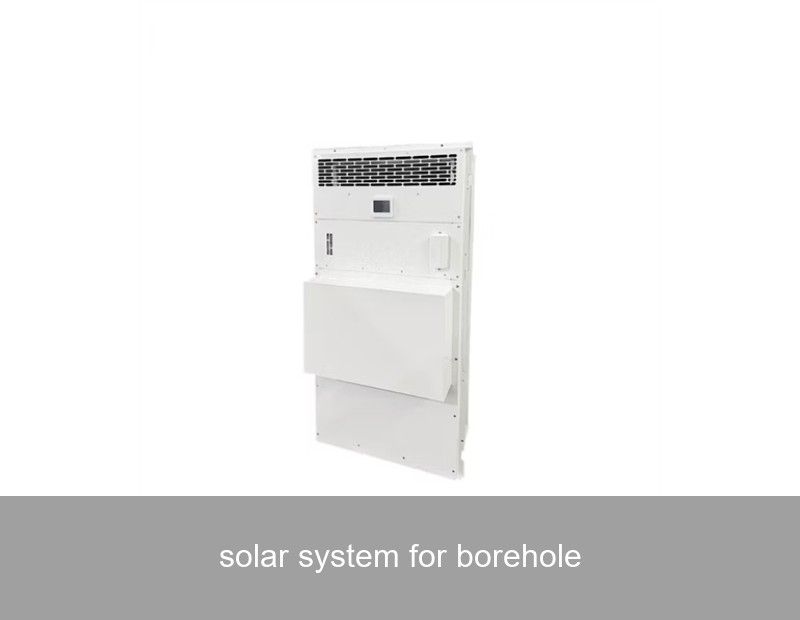
Imagine a reliable water source on your farm or rural property, completely independent from the grid and its rising electricity costs. For decades, powering borehole pumps has been a challenge, especially in remote locations. Today, the convergence of solar technology and advanced energy storage is revolutionizing water access. A dedicated solar system for borehole pumping isn't just an eco-friendly alternative; it's becoming the most economically savvy and resilient choice for landowners, farmers, and communities. This guide dives into how this technology works, its undeniable benefits, and what you need to consider for a successful installation.
Table of Contents
- The Challenge: The High Cost of Water Access
- How a Solar-Powered Borehole System Works
- Key Components of a Robust Solar Borehole System
- A Real-World Case Study: Vineyard Irrigation in California
- Why Choose Highjoule for Your Solar Borehole Project?
- The Future of Solar-Powered Water
The Challenge: The High Cost of Water Access
If you rely on a borehole, you're already ahead in terms of water security. But that security comes with an ongoing price tag: electricity. Whether you're connected to a distant grid with unstable power or relying on expensive diesel generators, the cost of pumping water can be a significant burden. Power outages can halt irrigation cycles, affecting crop yields, or disrupt water supply to livestock and homes. This is the phenomenon many face: water is there, but accessing it reliably and affordably is the real problem.
Let's look at the data. The U.S. Department of Energy notes that agriculture is a major energy consumer, with irrigation pumping being a primary contributor [1]. In Europe, electricity prices have seen significant volatility, directly impacting operational costs for farms and rural businesses. A solar system for borehole pumping directly attacks this cost center, converting a variable expense into a fixed, predictable investment with near-zero marginal cost for sunlight.
How a Solar-Powered Borehole System Works
At its core, the system converts sunlight into water flow. It's more sophisticated than just connecting solar panels to a pump. Here's the basic flow:
- Solar Panels capture sunlight and generate direct current (DC) electricity.
- A Solar Pump Controller (often a variable frequency drive) is the brain. It maximizes power harvest from the panels, protects the pump, and regulates its speed based on available sunlight.
- The Submersible Pump is specifically designed to run on solar power, often capable of operating efficiently at varying voltages.
- Optional: Battery Storage & Inverter. For 24/7 water access regardless of sunlight, you add a battery bank and an inverter. The solar panels charge the batteries, which then power the pump as needed.

A typical solar water pumping system diagram. (Image Source: Wikimedia Commons, CC BY-SA)
Key Components of a Robust Solar Borehole System
Not all systems are created equal. A reliable installation for critical water needs depends on quality components and intelligent design.
| Component | Role | Highjoule's Approach |
|---|---|---|
| Solar Array | Primary energy source. Size determines pumping capacity and runtime. | We use high-efficiency, durable monocrystalline panels, sized precisely for your water demand and location's solar irradiance. |
| Pump & Motor | The heart of the system, lifts water from depth. | We partner with leading pump manufacturers to match high-quality, efficient pumps with the correct solar drive technology. |
| Control & Power Management | Optimizes performance, protects equipment, and enables monitoring. | This is where Highjoule excels. Our smart controllers and Highjoule EnerSync energy management platform ensure the system runs at peak efficiency and can be integrated with battery storage. |
| Energy Storage (Battery) | Enables pumping at night, on cloudy days, and provides grid-backup. | Our Highjoule CoreCell commercial battery storage systems are ideal for larger borehole applications. They offer high-cycle life, safety, and seamless integration with solar inputs. |
A Real-World Case Study: Vineyard Irrigation in California
Let's move from theory to practice. A 50-acre vineyard in Sonoma County, California, faced an annual electricity bill of over $8,000 just to power its 10HP borehole pump for irrigation. The grid connection was also unreliable during peak fire season.
The Solution: Highjoule designed and deployed a hybrid system:
- A 25kW ground-mounted solar array.
- A Highjoule CoreCell 40kWh battery storage system.
- A smart pump controller integrated with the EnerSync platform.
The Results (Data after 18 months):
- 100% Energy Cost Reduction: The solar system covers 100% of the pump's daytime energy needs.
- 24/7 Reliability: The battery allows for nighttime irrigation pulses, optimizing water usage, and provides 48 hours of backup during grid outages.
- Payback Period: With state incentives, the system's calculated payback period is under 6 years.
- Carbon Savings: Estimated annual reduction of 18 metric tons of CO2.
This case shows that a solar system for borehole isn't just for remote off-grid sites; it's a powerful upgrade for grid-tied properties seeking resilience and cost control.
Why Choose Highjoule for Your Solar Borehole Project?
Since 2005, Highjoule has been at the forefront of intelligent energy storage and management. While many installers can mount panels, a solar pumping system is a critical power project. Our expertise lies in the integration and optimization of the entire system.
For your borehole project, we provide:
- End-to-End Design: We don't just sell components; we engineer a solution based on your water table, daily water requirements, and site conditions.
- Smart Technology: The Highjoule EnerSync platform gives you visibility and control. You can monitor water output, energy production, and battery status from your phone, and even schedule pumping during optimal solar hours.
- Future-Proofing: Our systems are modular. You can start with a direct solar pump and easily add CoreCell batteries later. The system can also be expanded to power other farm buildings or equipment.
- Global Support: With a strong presence in Europe and North America, we offer localized service and support, ensuring your water keeps flowing for decades.
Key Considerations Before You Install
Ready to explore solar for your borehole? Ask yourself and your provider these key questions:
- Water Demand: What is your daily and seasonal water need (in cubic meters or gallons)? This is the most critical data point.
- Borehole Details: What is the static water level, pumping depth, and well yield? A professional yield test is recommended.
- Solar Resource: What is the solar potential of your site? Tools like the PVGIS tool from the European Commission provide excellent estimates for both Europe and the US [2].
- Storage Needs: Do you need water access 24/7, or is daytime pumping sufficient? This dictates the need for a water tank or a battery system.
- Regulations & Incentives: Are there local permits required? What federal or state incentives are available? For example, the USDA REAP grant in the U.S. can fund such projects [3].
The Future of Solar-Powered Water
The technology for solar-powered pumping is mature, reliable, and more affordable than ever. As battery costs continue to decline, the addition of storage for round-the-clock operation becomes accessible for more projects. This isn't just about individual savings; it's about water security and sustainable agriculture on a broader scale. What could your farm, ranch, or community achieve with a zero-cost, resilient energy source for your most vital resource?
Could a solar-powered borehole system be the key to unlocking your property's full potential while insulating you from energy market uncertainty? Let's discuss your water needs and map out your path to energy-independent water access.
 Inquiry
 Online Chat