


Choosing the Right Supplier of C&I Sector for Your Energy Storage Needs
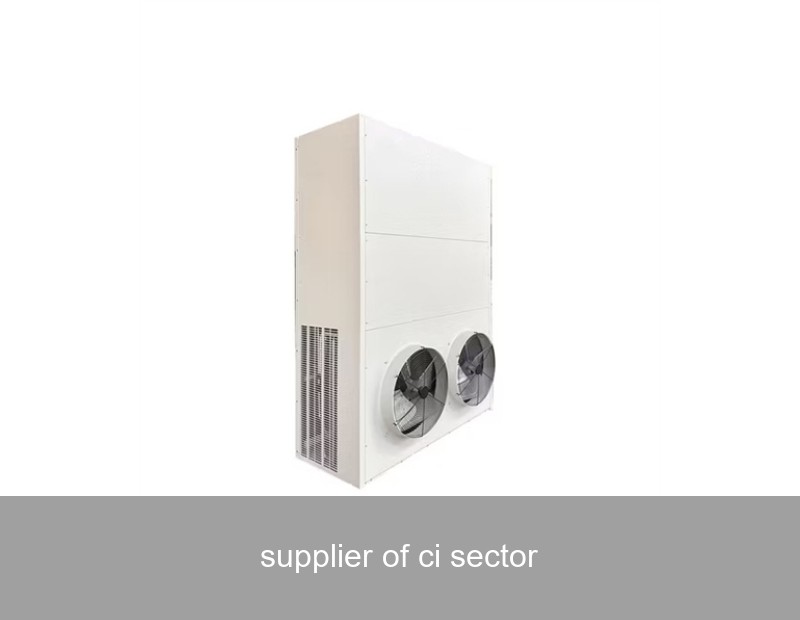
If you manage energy for a commercial or industrial (C&I) business, you're not just buying electricity anymore; you're strategizing it. Volatile energy prices, grid instability, and ambitious sustainability goals are no longer distant concerns—they're today's boardroom agenda. This is where partnering with the right supplier of C&I sector for advanced energy storage systems becomes a critical business decision. It's the difference between simply paying your utility bills and actively controlling your energy costs, resilience, and carbon footprint. Let's explore how the right partnership can transform your energy profile from a cost center into a strategic asset.
Table of Contents
- The C&I Energy Challenge: More Than Just High Bills
- Beyond the Battery: What a True C&I Sector Supplier Provides
- The Data Difference: Quantifying the Storage Advantage
- Case Study: A European Logistics Hub Cuts Costs & Carbon
- The Highjoule Approach: Intelligent Storage for the C&I Sector
- Future-Proofing Your Investment
The C&I Energy Challenge: More Than Just High Bills
The modern C&I energy manager faces a perfect storm. First, there's price volatility. In markets like the EU and the U.S., wholesale electricity prices can swing dramatically based on fuel costs and demand spikes. You're exposed whether you're on a variable rate or even certain fixed contracts tied to market indices. Second, grid reliability is an increasing concern. From extreme weather events to aging infrastructure, power outages can halt production, spoil inventory, and cost thousands per minute in downtime. Finally, there's the sustainability imperative. Stakeholders, from investors to customers, demand transparent carbon reduction plans. Simply put, the old model of passive consumption is financially and operationally risky.
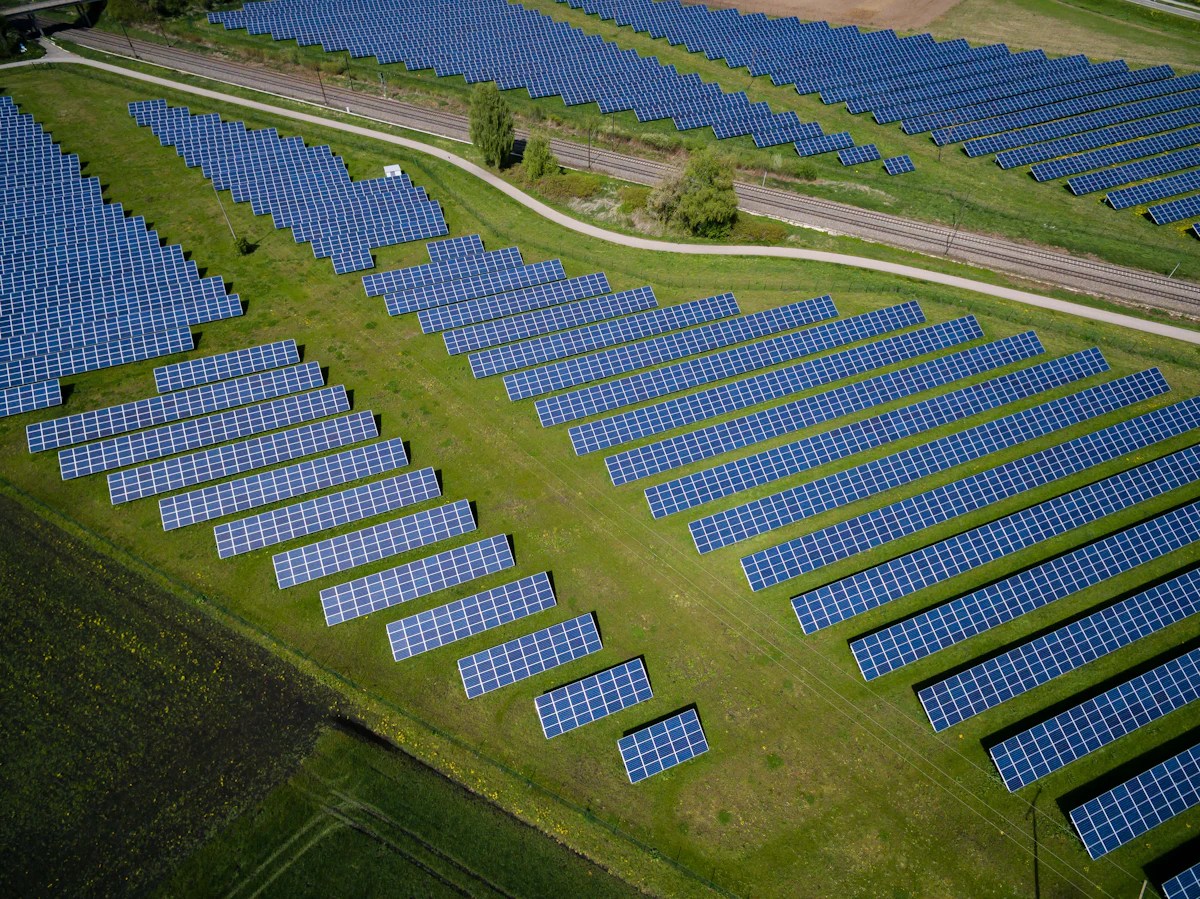
Image Source: Unsplash - A C&I facility integrating on-site generation, a key component of modern energy strategy.
Beyond the Battery: What a True C&I Sector Supplier Provides
Many companies sell battery racks. But a leading supplier of C&I sector solutions delivers a comprehensive energy resilience and optimization platform. The hardware is just the beginning. You need an integrated system that includes:
- Advanced Power Conversion Systems (PCS): The intelligent brain that manages AC/DC conversion, determining when to charge, discharge, or hold.
- Energy Management Software (EMS): This is where the magic happens. A sophisticated EMS uses algorithms, weather forecasts, and tariff structures to autonomously make decisions that maximize your financial return.
- Seamless Integration: The system must work with your existing infrastructure—solar PV, backup generators, building management systems—and comply with local grid interconnection standards.
- Long-Term Service & Warranty: A 10+ year asset needs a partner committed to its entire lifecycle, offering performance guarantees and proactive monitoring.
This holistic offering is what separates a component vendor from a strategic partner like Highjoule. Since 2005, we've focused on being that essential partner, providing smart, efficient, and sustainable power solutions tailored for C&I and microgrid applications globally.
The Data Difference: Quantifying the Storage Advantage
Let's move from concepts to numbers. What can a properly sized and managed C&I battery energy storage system (BESS) actually deliver? The value streams are multifaceted:
| Value Stream | How It Works | Typical Impact (Region Dependent) |
|---|---|---|
| Demand Charge Reduction | The BESS discharges during short periods of peak facility demand, flattening the "peak" and reducing the highest cost component of many C&I bills. | Can reduce peak demand by 15-30%, leading to significant monthly savings. |
| Energy Arbitrage | Store electricity when prices are low (e.g., overnight), use it or sell it back when prices are high. | Capturing price spreads of $0.10/kWh+ can generate substantial revenue, especially in markets like CAISO or ERCOT. |
| Backup Power & Resilience | Provides seamless, instantaneous power during grid outages, keeping critical operations online. | Prevents downtime costs that can exceed $10,000 per hour for manufacturing. |
| Renewable Self-Consumption | Stores excess solar generation for use later in the day, maximizing your on-site clean energy. | Can increase solar self-consumption from ~30% to 70%+. |
According to a report by the National Renewable Energy Laboratory (NREL), commercial storage can provide a wide range of grid services while delivering compelling economics for the host customer. The key is an intelligent control system that can stack these revenue and savings streams effectively.
Case Study: A European Logistics Hub Cuts Costs & Carbon
Let's look at a real-world application. A major logistics and distribution center in Germany faced twin pressures: soaring energy costs and a corporate mandate to reduce Scope 2 emissions. Their 5 MW rooftop solar system was generating ample energy, but much of it was being exported to the grid at low noon-time rates, while they later bought expensive power in the evening.
The Solution: They partnered with Highjoule as their supplier of C&I sector storage expertise. We deployed a containerized, turnkey Highjoule H2.IntelliBESS solution with 2.4 MWh capacity and our proprietary OptiGrid AI EMS. The system was seamlessly integrated with their existing solar inverters and site infrastructure.
The Results (18-month period):
- Energy Cost Savings: By shifting solar energy to peak evening hours and reducing grid demand peaks, the site achieved a 34% reduction in its net energy costs.
- Renewable Optimization: On-site solar self-consumption increased from 35% to 89%, dramatically cutting their reliance on grid power.
- ROI & Sustainability: The project is on track for a full return on investment in under 6 years, while also helping the facility meet its annual carbon reduction targets ahead of schedule.
This case exemplifies the power of a system designed not just to store, but to intelligently optimize.
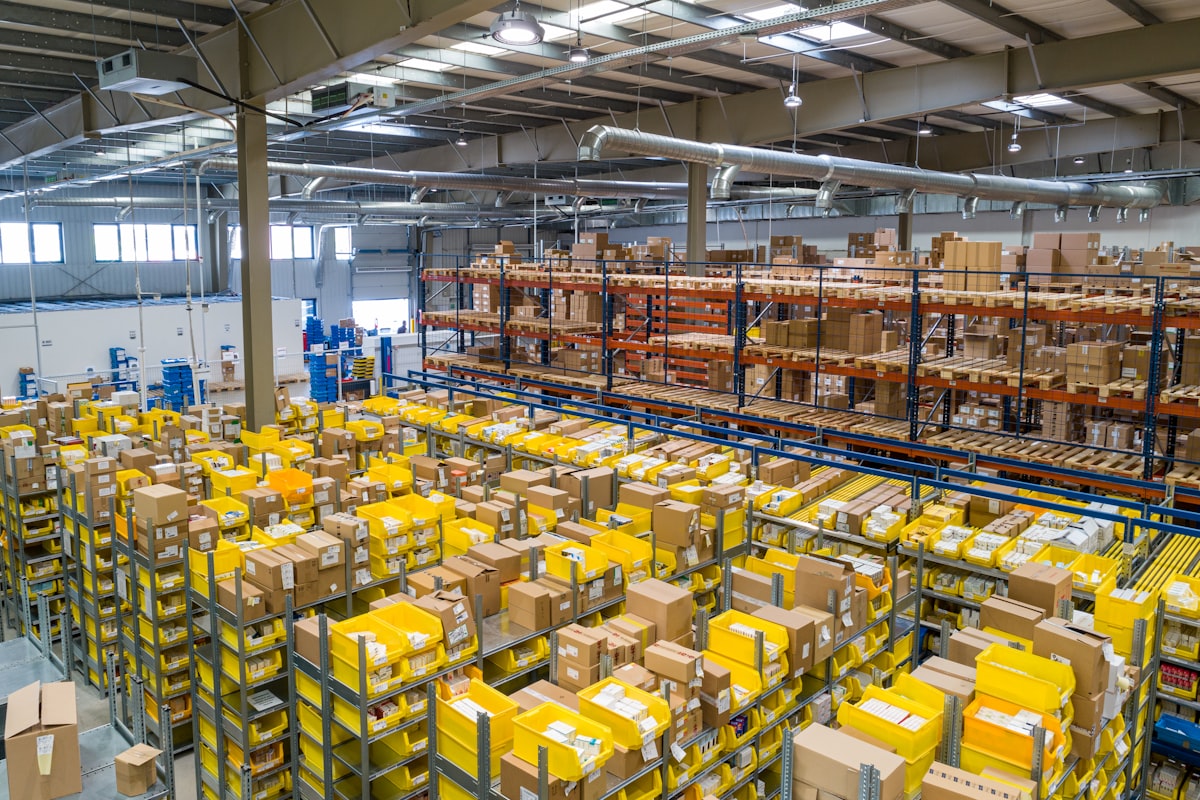
Image Source: Unsplash - Monitoring and control are central to maximizing C&I storage value.
The Highjoule Approach: Intelligent Storage for the C&I Sector
At Highjoule, our philosophy is that every C&I operation has a unique energy fingerprint. Our role as your trusted supplier of C&I sector solutions is to provide a tailored fit, not an off-the-shelf box. Our flagship product line for commercial and industrial clients, the H2.IntelliBESS Series, is built on three core pillars:
- Adaptive Intelligence: Our OptiGrid EMS uses machine learning to adapt to your consumption patterns, local weather, and real-time market signals (like EPEX SPOT prices in Europe), making thousands of optimal decisions daily without manual intervention.
- Engineered for Durability: We use premium, cycle-stable LiFePO4 battery chemistry and robust thermal management to ensure system performance and safety over a 15+ year design life, backed by comprehensive performance warranties.
- Scalable & Modular Design: From a 100 kWh cabinet for a mid-sized business to multi-megawatt containerized solutions for heavy industry, our modular architecture allows for cost-effective scaling as your needs evolve.
Our services extend from initial feasibility analysis and financial modeling to grid compliance support, installation, and 24/7 remote monitoring via our Highjoule Guardian Network.
Future-Proofing Your Investment
The energy landscape is evolving rapidly. A quality C&I energy storage system today is an open platform for the future. With the right software, your system could potentially participate in grid services markets (like Frequency Response), providing a new revenue stream. It can form the core of a resilient microgrid if you add a backup generator. It's the buffer that will allow you to smoothly integrate future EV fleet charging. Choosing a supplier of C&I sector like Highjoule, with a forward-looking software roadmap and open architecture, ensures your asset remains valuable and relevant as markets and technologies change.
Is your organization ready to move from being a passive energy consumer to an active energy manager? What would a 25% reduction in your net energy costs do for your operational budget this coming year?
 Inquiry
 Online Chat