


Navigating the Energy Landscape: Choosing the Right Supplier of Energy Storage Systems
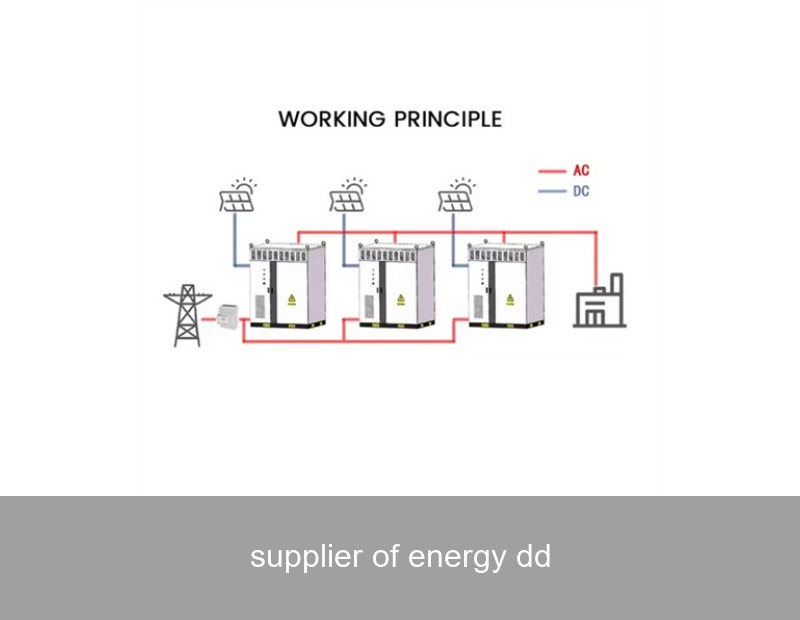
As grid instability rises and renewable energy adoption accelerates, businesses and homeowners are increasingly asking a critical question: how do we ensure reliable, clean power? The answer often lies not just in generation, but in storage. This is where selecting the right supplier of energy storage systems becomes a pivotal decision. It's more than just buying batteries; it's about partnering for resilience, sustainability, and long-term value.
Table of Contents
- The Challenge: Intermittency and Grid Pressure
- The Data: Why Storage is No Longer Optional
- Case Study: A European Industrial Park's Transformation
- What Makes a World-Class Supplier of Energy Storage Systems?
- The Highjoule Approach: Intelligence Meets Resilience
The Challenge: Intermittency and Grid Pressure
a cloud passes over your solar-powered facility, or the wind dies down at your wind farm. Generation plummets, but your operations need constant power. Conversely, during sunny, windy peaks, you might be producing more energy than you can use, sending it back to an already strained grid. This intermittency is the fundamental challenge of renewables. Furthermore, aging grid infrastructure in both Europe and the U.S. is struggling with demand spikes and extreme weather events, leading to more frequent and costly outages. Simply put, the traditional one-way flow of electricity is breaking down. We need a buffer—a dynamic, intelligent system to store excess energy and discharge it precisely when needed. That's the core promise of a modern supplier of energy storage systems.
The Data: Why Storage is No Longer Optional
The numbers paint a compelling picture. According to the International Energy Agency (IEA), the global energy storage market is set to expand dramatically, with grid-scale storage capacity alone expected to multiply by a factor of 35 by 2030. In the U.S., the Inflation Reduction Act (IRA) provides significant investment tax credits for standalone storage, accelerating adoption. In Europe, the REPowerEU plan explicitly targets energy independence and flexibility, with storage as a key pillar.
But let's talk direct impact. For a commercial entity, a single hour of downtime can cost tens of thousands of dollars. A robust battery energy storage system (BESS) can provide seamless backup power. More strategically, it enables energy arbitrage—storing cheap energy (from your solar panels or off-peak grid rates) and using it during expensive peak hours. This isn't just about backup; it's about smart financial management and maximizing the return on your renewable investment.
| Driver | Business Impact | Residential Impact |
|---|---|---|
| Energy Cost Savings (Arbitrage & Peak Shaving) | Reduced demand charges, lower overall electricity bills | Lower utility bills, maximize self-consumption of solar |
| Backup Power & Resilience | Prevents operational/financial losses from outages | Ensures safety, comfort, and continuity during blackouts |
| Grid Services & Revenue | Potential revenue streams through frequency regulation | Less common, but growing in virtual power plant programs |
| Sustainability Goals | Lowers carbon footprint, enhances ESG reporting | Increases home's renewable energy utilization |
Case Study: A European Industrial Park's Transformation
Let's make this real with an example from Germany. A mid-sized industrial park with high, consistent energy demand faced two problems: volatile energy prices and a corporate mandate to reduce its carbon footprint by 40% within five years. They had rooftop solar, but it only covered about 30% of their daytime load, and nothing after sunset.
They partnered with a leading supplier of energy storage systems to design an integrated solution. The project involved a 2 MWh lithium-iron-phosphate (LFP) battery storage system, directly coupled with their existing solar PV and managed by an advanced energy management system (EMS).

Image Source: Unsplash (Representative of industrial energy storage)
The results after one year were striking:
- Energy Cost Reduction: By shifting over 85% of their peak load to stored solar/battery power, they slashed peak demand charges and reduced overall electricity costs by 28%.
- Renewable Self-Consumption: The rate of solar energy used on-site jumped from 35% to over 90%, drastically cutting grid dependence.
- Carbon Reduction: The park's scope 2 emissions (from purchased electricity) dropped by an estimated 62%, putting them years ahead of their sustainability target.
- ROI: The projected payback period for the entire system is under 7 years, thanks to savings and available incentives.
This case underscores that the right storage solution isn't a cost center; it's a strategic asset that delivers financial, operational, and environmental returns.
What Makes a World-Class Supplier of Energy Storage Systems?
Not all suppliers are created equal. When evaluating a supplier of energy storage systems, you should look beyond the battery cells. Here’s what truly matters:
- System Intelligence: The software (EMS) that controls the system is its brain. It must intelligently optimize for your goals—savings, backup, sustainability—in real-time, often using AI and weather forecasting.
- Technology & Safety: Prioritize suppliers using proven, non-proprietary battery chemistries like LFP, known for safety and longevity. The system design must include robust thermal management and safety certifications.
- Full-Service Expertise: The best suppliers offer end-to-end service: feasibility analysis, system design, financing guidance, installation, commissioning, and long-term maintenance and monitoring.
- Proven Track Record: Look for a portfolio of successful deployments in applications similar to yours (commercial, industrial, microgrid). Real-world performance data is key.
The Highjoule Approach: Intelligence Meets Resilience
At Highjoule, with nearly two decades of experience since 2005, we've built our reputation as a trusted supplier of energy storage systems on these very principles. We don't just sell hardware; we deliver tailored power resilience strategies.
Our flagship product, the Highjoule H-Series BESS, is engineered for intelligence and durability. Built with UL-certified LFP battery modules and featuring our proprietary JouleMind AI™ EMS, it continuously learns and adapts to your energy patterns and local grid conditions. For our commercial and industrial clients, this means automatically executing the most cost-effective strategy every day, switching between peak shaving, arbitrage, and backup readiness without manual intervention.

Image Source: Unsplash (Representative of residential energy storage)
For residential customers, our Highjoule HomePower system provides peace of mind. It seamlessly integrates with existing solar installations, ensuring your home stays powered during outages and your energy bills are minimized. Our systems are designed for scalability, allowing homeowners to start with what they need and expand later.
Our services extend far beyond delivery. Highjoule's team provides comprehensive energy audits, custom financial modeling to clarify ROI, and seamless integration with both new and existing solar PV systems. We manage the entire process, ensuring compliance with local regulations and incentive programs in both the European and U.S. markets. Our 24/7 monitoring platform gives you full visibility and control over your energy assets.
Microgrids: The Ultimate Test for a Storage Supplier
The complexity of designing a stable, islandable microgrid—for a university campus, a remote community, or a critical facility—separates component vendors from true solution partners. As a leading supplier of energy storage systems for microgrids, Highjoule's technology acts as the grid-forming heartbeat. Our systems provide the instantaneous voltage and frequency regulation needed to balance variable renewables and loads, ensuring reliable power even when the main grid is down. This capability is increasingly vital for critical infrastructure on both sides of the Atlantic.
The Future of Energy is Stored. Are You Ready?
The transition to a resilient, decarbonized energy system is undeniable. The question is no longer if you need an energy storage system, but how to choose the partner who will deliver its full potential. It's a decision that impacts your bottom line, your operational continuity, and your environmental legacy for years to come.
What specific energy challenge—be it soaring demand charges, renewable integration, or the need for fail-safe backup—is most pressing for your business or home right now, and how might a strategically deployed storage system address it?
 Inquiry
 Online Chat