


Finding the Right Supplier of Lithium 2kWh Batteries for Your Energy Independence
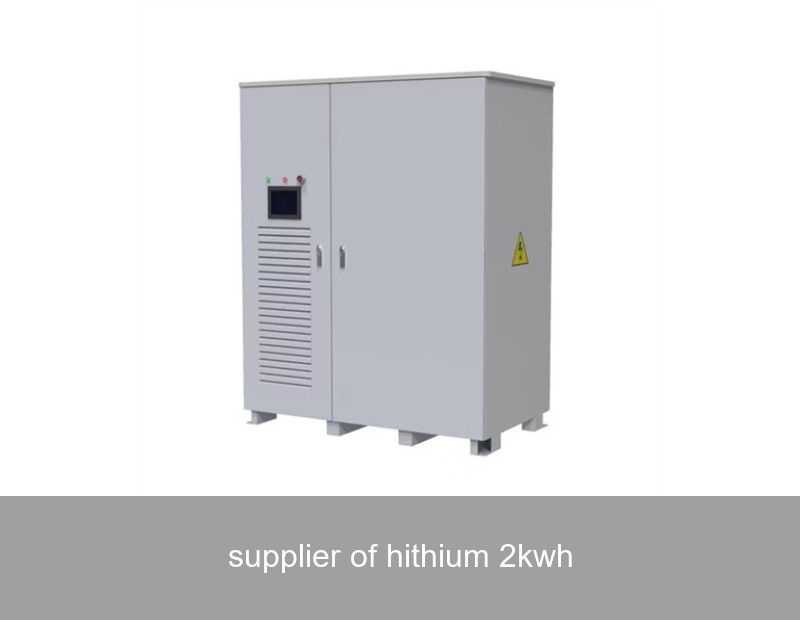
You're here because you've heard about the game-changing potential of compact energy storage. Maybe you're a homeowner looking to maximize your solar panels, a small business owner tired of grid instability, or a project manager sourcing components for a clean energy solution. The search often leads to a crucial question: how do I choose a reliable supplier of lithium 2kWh batteries? This isn't just about buying a battery; it's about investing in a cornerstone of your energy resilience. Let's demystify what makes a great 2kWh lithium battery and partner.
Table of Contents
Why the 2kWh Lithium Battery is a Sweet Spot
Think of 2 kilowatt-hours (kWh) as the versatile "goldilocks" size of energy storage. It's substantial enough to make a real impact, yet modular and scalable for diverse needs. A single 2kWh unit can power essential loads—like your refrigerator, lights, and Wi-Fi—for several hours during an outage. For daily use, it can store excess solar energy from a modest rooftop array, shifting your consumption to the evening and slashing electricity bills.
Lithium iron phosphate (LFP) chemistry has become the dominant choice for such applications, and for good reason. Compared to older lead-acid or other lithium variants, LFP batteries offer superior safety, a longer lifespan (often 6,000+ cycles), and stable performance. When you source from a reputable supplier of lithium 2kWh batteries, you're not just getting a power pack; you're getting a decade or more of dependable service.

Image Source: Unsplash - Illustrative of modular battery design
Key Criteria for Choosing Your Supplier
Not all suppliers are created equal. A box mover simply ships a product, while a true partner ensures it works seamlessly in *your* specific context. Here’s what to look for:
- Certification & Safety First: Any credible battery must have international certifications (UN38.3, IEC 62619, UL 1973 in the US, CE in Europe). This is non-negotiable for insurance and safety.
- Technical Transparency: A trustworthy supplier of lithium 2kWh batteries provides full datasheets: real cycle life at specified depths of discharge (DoD), round-trip efficiency, and operating temperature ranges.
- Scalability & Compatibility: Can batteries be easily paralleled to grow your system? Do they communicate seamlessly with major inverter brands (like Victron, SMA, SolarEdge)? This avoids costly "vendor lock-in."
- Warranty & Local Support: A 10-year warranty is standard for quality LFP. Crucially, does the supplier have local or regional technical support for troubleshooting?
The Data Behind the Decision
Let's talk numbers. According to the U.S. Department of Energy, pairing solar with storage can increase the value of solar energy by 30-50% for homeowners. In Europe, market analysis shows the demand for residential battery storage is growing at over 20% annually. A well-chosen 2kWh battery system is often the first, most cost-effective step into this ecosystem, delivering a typical payback period of 5-8 years in sun-rich regions, while immediately providing backup power.
A Real-World Case: Stability for a German Bed & Breakfast
Let's move from theory to practice. Consider Gasthof Adler, a family-run Bed & Breakfast in the Black Forest. Their challenge was twofold: unpredictable winter grid outages affecting guest experience and a desire to use more of their existing solar power.
Phenomenon: Grid outages during peak tourist season led to complaints and operational hassle.
Data: Their 8kWp solar system was exporting over 60% of its generation to the grid in summer at low feed-in tariffs, while they bought expensive power in the evening.
Solution: They partnered with a system integrator using Highjoule's H-Joule Cube 2.0 modular LFP batteries. Starting with a base unit of 2kWh, they built a 10kWh system over time. The batteries integrate with their existing inverter and are managed by Highjoule's smart energy management system, which prioritizes self-consumption and automatic backup switching.
Outcome: The B&B now enjoys 99.9% power availability. Their grid electricity purchases dropped by 70% during summer months, and they have seamless backup for up to 24 hours for critical loads. The scalable approach allowed them to invest without upfront strain.
| Metric | Before Installation | After Installation |
|---|---|---|
| Grid Import (Summer Months) | ~800 kWh | ~240 kWh |
| Solar Self-Consumption | ~35% | ~85% |
| Power Outage Impact | Business Disruption | Zero Impact (Automatic Backup) |
Beyond the Battery: The System Integration Advantage
This is where choosing a true supplier of lithium 2kWh batteries like Highjoule diverges from a simple component vendor. Since 2005, Highjoule has focused on delivering intelligent, integrated systems.
Our H-Joule Cube 2.0 isn't just a battery cell in a case. It's an intelligent storage unit designed for the demands of the European and North American markets. Each module is a building block for systems ranging from 2kWh to multi-megawatt-hour installations. What we provide is the complete ecosystem:
- Hardware: UL/CE-certified, passively safe LFP battery modules with a compact, stackable design.
- Software: The Highjoule Energy OS, which intelligently manages charge/discharge based on weather forecasts, time-of-use rates, and consumption patterns.
- Service: Remote monitoring, firmware updates, and a network of certified installers for local support.
For a commercial or microgrid application, this system-level thinking is paramount. It ensures reliability not from a single component, but from the harmonious interaction of all parts. You can learn more about system safety standards from resources like the NFPA 855 standard for energy storage installations.

Image Source: Unsplash - Home energy system with solar and storage
Making Your Informed Choice
So, as you evaluate your options for a supplier of lithium 2kWh batteries, ask these deeper questions: Are they providing a commodity or a tailored solution? Do they understand the grid dynamics and incentive structures in your region (like the EU's climate plans or the US Investment Tax Credit)? Can their product grow with your ambitions?
The energy landscape is shifting from centralised, passive consumption to decentralised, active management. Your choice of storage partner is a key decision in that journey.
Your Next Step
Is your primary goal to achieve energy independence, to create a financial return, or to ensure critical backup power? How do you envision your energy system scaling in the next five years?
 Inquiry
 Online Chat