


Finding the Right Supplier of Solar Borehole Pumps: A Guide to Water and Energy Independence
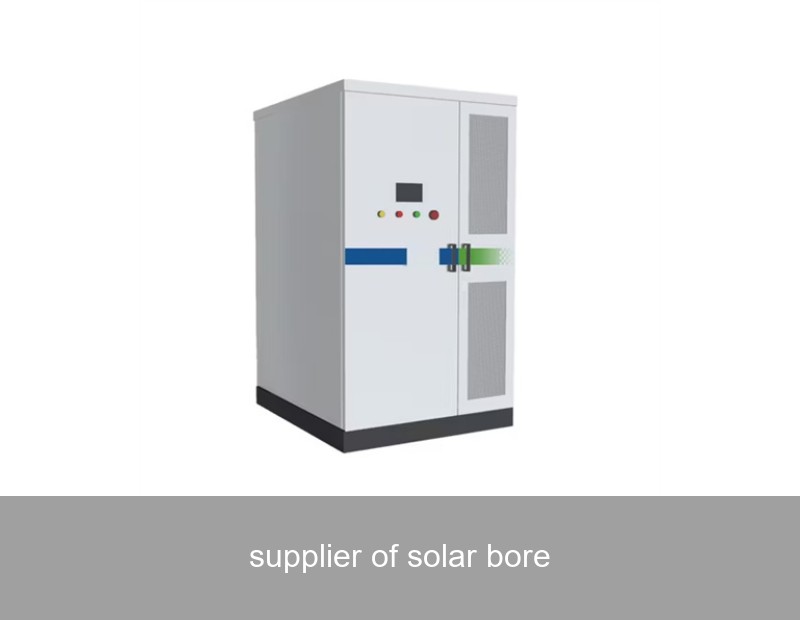
Imagine a remote farm, abundant with land but disconnected from the main electrical grid. The lifeblood of this operation—water for crops and livestock—lies deep underground, but powering a pump to access it is a constant, costly challenge. This is where a supplier of solar borehole pumps becomes more than just a vendor; they become a partner in sustainability. By combining solar energy with advanced water pumping technology, these systems offer a transformative solution for agriculture, remote communities, and off-grid enterprises worldwide. Choosing the right supplier, however, is critical. It's not just about the panels and the pump; it's about the intelligent energy management that ensures reliability when the sun isn't shining. This is where expertise in integrated solar and storage solutions, like that provided by Highjoule, becomes indispensable.
Table of Contents
- The Challenge: Water Access Meets Energy Cost
- The Solar Bore Solution: More Than Just Panels
- Why Energy Storage is the Game-Changer
- Case Study: A Spanish Vineyard's Transformation
- Choosing Your Supplier of Solar Borehole Pumps: Key Criteria
- Highjoule's Role: The Brains Behind Reliable Solar Pumping
- Future Trends and Your Next Step
The Challenge: Water Access Meets Energy Cost
For decades, accessing groundwater for irrigation or domestic use in off-grid or rural areas meant relying on diesel generators or expensive grid extension. The operational costs are staggering. Diesel is not only subject to volatile fuel prices but also requires constant maintenance, transportation, and creates noise and air pollution. According to the International Energy Agency (IEA), the water-energy nexus is a critical global issue, with water systems accounting for nearly 4% of global electricity consumption. For a farmer, this cost directly eats into profitability.
The phenomenon is clear: you need reliable water to sustain your operation, but the traditional energy sources to pump it are either unavailable, unreliable, or economically draining.
The Solar Bore Solution: More Than Just Panels
A solar borehole pumping system directly converts sunlight into electricity to drive a submersible pump. The core components include:
- Solar Photovoltaic (PV) Array: The power plant, converting sunlight to DC electricity.
- Solar Pump Controller/Inverter: The "translator," converting DC power to AC (if needed) and matching the power to the pump motor for optimal efficiency.
- Submersible Borehole Pump: The workhorse, placed deep in the well to lift water to the surface.
- Water Storage Tank: A crucial buffer, allowing water to be pumped during sunny hours and used as needed.
But here's a common oversight: what happens on cloudy days, at night, or during peak water demand before dawn? A system without a buffer is limited. This leads us to the most critical advancement in modern solar pumping.

Image Source: Unsplash - A typical agricultural solar setup. The missing piece? Integrated energy storage for 24/7 operation.
Why Energy Storage is the Game-Changer
Think of it this way: your water tank stores water for when you need it. A battery energy storage system (BESS) stores energy for when you need it. Integrating a BESS with your solar bore pump transforms it from a fair-weather friend into a 24/7 dependable partner. This is where the expertise of a technology leader like Highjoule becomes vital. Highjoule doesn't just supply batteries; they provide intelligent, integrated storage systems that manage energy flow seamlessly.
For a solar borehole pump, a Highjoule BESS can:
- Extend Pumping Hours: Pump water early in the morning or late in the evening, even after sunset.
- Ensure Reliability: Maintain operation during brief cloudy periods or reduced sunlight.
- Protect Equipment: Provide stable, clean power, reducing wear on the pump motor.
- Enable Smart Control: Allow for programmable pumping schedules based on water levels, time of day, or electricity tariffs if grid-tied.
Case Study: A Spanish Vineyard's Transformation
Let's look at a real-world example from Andalusia, Spain—a region with abundant sun but also rising energy costs and stringent sustainability goals.
Phenomenon: A 50-hectare vineyard relied on a deep borehole (180 meters) for drip irrigation. Their diesel generator consumed over 15,000 liters of fuel annually, costing roughly €18,000, with significant carbon emissions.
Data & Solution: In 2022, they partnered with a specialist supplier of solar borehole pumps who designed a hybrid system. The solution included a 40kWp solar array, a 7.5kW variable frequency drive pump, and a Highjoule Titan 20 battery storage system (20kWh capacity). The Highjoule energy management system was programmed to prioritize solar power, use the battery for peak demand and evening pumping, and only use the diesel generator as a last resort.
Results:
| Metric | Before | After |
|---|---|---|
| Annual Fuel Cost | €18,000 | €2,500 (backup only) |
| Annual CO2 Emissions | ~40 tonnes | ~5 tonnes |
| Pumping Availability | Manual, limited hours | Automated, 24/7 potential |
| Payback Period | N/A | Estimated 4.5 years |
Insight: This case underscores that the most effective solar pumping solutions are hybrid and intelligent. The inclusion of robust storage wasn't an add-on; it was the key to achieving >85% fuel displacement and operational resilience, making the entire investment viable and future-proof.
Choosing Your Supplier of Solar Borehole Pumps: Key Criteria
Not all suppliers are created equal. When evaluating a supplier of solar borehole pumps, consider these factors beyond the initial quote:
- System Design Expertise: Can they model solar yield, water demand, and storage needs specific to your site? Do they understand hydraulics and agronomy?
- Component Quality & Warranty: Are they using tier-one solar panels and reputable, efficient pumps? What is the warranty on the entire system?
- Integration Capability: This is crucial. Can they seamlessly integrate best-in-class storage, like Highjoule's systems, into the control architecture?
- Monitoring & Support: Do they offer remote monitoring and proactive maintenance? Can you see your water output and energy status from your phone?
Highjoule's Role: The Brains Behind Reliable Solar Pumping
While Highjoule is not a direct supplier of pumps, we are the essential technology partner for leading solar pump integrators. Our advanced Battery Energy Storage Systems (BESS) and Energy Management Software (EMS) provide the intelligence that makes modern solar bore solutions truly reliable. For an integrator or end-user, specifying Highjoule means:
- Proven Reliability: With nearly two decades of experience since 2005, Highjoule's storage systems are deployed in demanding commercial and industrial settings worldwide.
- Scalable Architecture: From a compact Highjoule Home unit for a small farmstead to a modular Highjoule Industrial solution for large-scale agricultural operations, we have a scalable fit.
- Smart Energy Management: Our EMS can be configured to prioritize solar self-consumption for pumping, manage grid/diesel generator interaction, and ensure the pump and battery health for longest life.

Image Source: Unsplash - A technician checks a battery storage system. Highjoule's solutions offer remote monitoring for even easier management.
Future Trends and Your Next Step
The future of solar pumping is connected and predictive. Imagine systems that use weather forecasting data to pump extra water into storage tanks before a predicted cloudy spell, all managed autonomously. The integration of AI and IoT with robust hardware will define the next generation of water access solutions. As a U.S. Department of Energy resource on solar pumping notes, the potential for cost savings and resilience is immense and still growing.
The journey to water and energy independence starts with the right questions. Are you evaluating a solar borehole pump system simply as a collection of components, or as an intelligent, water-producing asset for your land or community? Have you discussed with your potential supplier how they plan to guarantee water access not just at noon on a sunny day, but at 6 AM when your crops need it most?
What specific water volume and reliability challenge could a smart, storage-integrated solar bore solution solve for you this coming season?
 Inquiry
 Online Chat