


Finding the Right Supplier of Solar in Lusaka: A Guide to Sustainable Power and Energy Independence
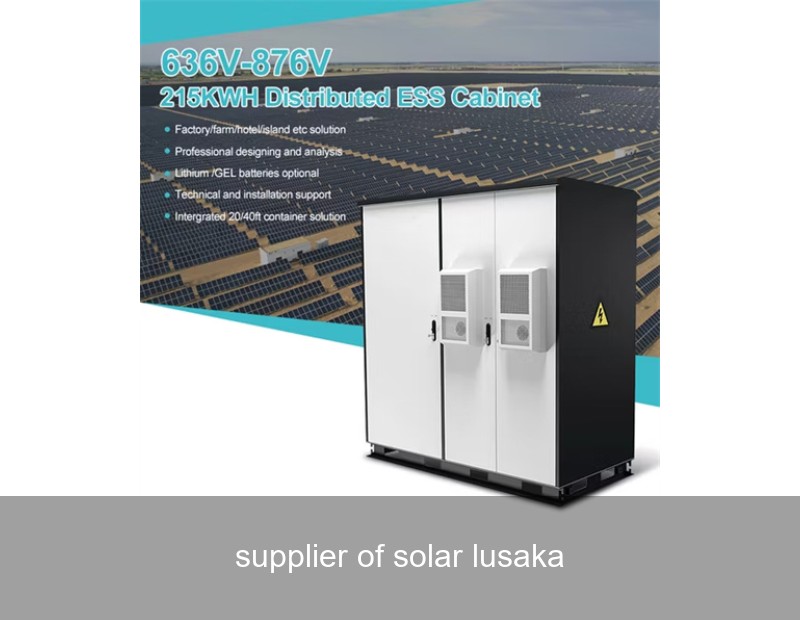
In the vibrant heart of Zambia, Lusaka is experiencing a quiet revolution. As the city grows, so does the demand for reliable, affordable, and sustainable electricity. Frequent load-shedding and rising grid costs aren't just inconveniences; they're significant hurdles for businesses aiming to thrive and homeowners seeking comfort and security. This has led many forward-thinking residents and enterprises to ask a crucial question: how do we choose a truly capable supplier of solar in Lusaka that delivers more than just panels? The answer lies in moving beyond basic hardware to comprehensive, intelligent energy solutions that guarantee performance for decades. It's about finding a partner who understands that solar is just the beginning—the real power is in how you store, manage, and utilize that energy.
Table of Contents
The Power Problem: More Than Just Sunshine
Let's be frank: Lusaka has abundant sunshine, a fantastic natural resource. However, the challenge isn't harvesting sunlight; it's providing consistent, 24/7 power. The national grid, while improving, faces strains that lead to unpredictable outages. For a business, a single hour of downtime can mean lost revenue, spoiled inventory, and disrupted operations. For a family, it means disrupted lives, from spoiled food to interrupted work and study.
The initial response for many is to install a diesel generator. But the data tells a sobering story. The World Bank highlights that reliance on expensive, imported fossil fuels for backup power is a major economic drain in Sub-Saharan Africa. Beyond cost, generators bring noise, pollution, and high maintenance. This creates a paradoxical situation: a city bathed in free solar energy remains tethered to costly, dirty fuels. The real solution requires a systemic shift from simple solar panel suppliers to providers of integrated solar-plus-storage systems.

Image Source: Unsplash - Representative image of commercial solar installation.
Beyond the Panel: What a True Solar & Storage Supplier Provides
A company that merely sells and mounts photovoltaic (PV) panels is addressing only half of the equation. Think of it like building a water system: the panels are the rain catchment, but without a large, reliable tank (the battery) and a smart pump and filter system (the inverter and energy management), you can't use the water when you need it most.
A leading supplier of solar in Lusaka must offer a holistic ecosystem:
- High-Efficiency Solar Panels: Engineered for performance in local conditions, including heat and dust.
- Advanced Battery Energy Storage Systems (BESS): This is the heart of 24/7 power. Not all batteries are created equal. The technology, lifespan (cycle life), depth of discharge, and safety are critical.
- Smart Hybrid Inverters: The brain of the operation. It intelligently manages energy flow between solar panels, batteries, the grid, and your loads, prioritizing solar usage and ensuring seamless backup during grid failure.
- Energy Management Software: A platform that allows you to monitor your system's performance in real-time, track savings, and even control your energy use remotely.
- Professional Services: This includes expert site assessment, custom system design, compliant installation, and long-term maintenance and warranty support.
This integrated approach is where global expertise becomes invaluable. Companies with a proven track record in mature markets bring tested, reliable technology and sophisticated energy management intelligence that can be tailored to Lusaka's specific needs.
Highjoule's Intelligent Storage: Engineered for Reliability
At Highjoule, with nearly two decades of experience as a global advanced energy storage provider, we've seen this transition firsthand. Our role isn't to be just another supplier of solar in Lusaka, but to be the critical technology partner for integrators and installers. We provide the core intelligent battery storage systems that turn a solar installation into a resilient power plant. Our modular Highjoule HPS Series for commercial and industrial applications is built with lithium iron phosphate (LFP) battery chemistry, renowned for its safety, long life (over 6000 cycles), and stability in high-temperature environments—a perfect match for Zambia's climate. For larger-scale needs like microgrids or industrial plants, our Containerized BESS offers a plug-and-play powerhouse of storage. These systems come with our proprietary EnergyOS™ platform, which provides installers and end-users with unparalleled control and insight into their energy assets, ensuring maximum return on investment.
Case Study: A Lusaka Agro-Processor's Journey to Energy Resilience
Let's look at a real-world scenario. "GreenHarvest Ltd." (a pseudonym for a real client) is a medium-sized food processing company in Lusaka's industrial area. Their cold storage and processing lines were highly vulnerable to load-shedding, risking thousands of dollars in lost produce daily. They initially considered a large diesel generator array.
Their chosen supplier of solar in Lusaka, a forward-thinking local integrator, proposed a different solution: a hybrid solar-plus-storage system centered on robust battery technology. The system included:
| Component | Specification | Role |
|---|---|---|
| Solar PV Array | 250 kWp | Primary daytime power generation |
| Highjoule HPS Commercial BESS | 300 kWh / 150 kW | Energy storage for night operation & grid backup |
| Smart Hybrid Inverters | 3 x 60 kW | Integration and power management |
- Energy Cost Reduction: Grid electricity consumption reduced by 70%.
- Eliminated Diesel Spend: Complete removal of a planned 150 kVA generator, saving over $25,000 annually in fuel and maintenance.
- Zero Downtime: Critical cold storage operations maintained uninterrupted through all grid outages.
- Payback Period: Achieved in under 5 years, with decades of low-cost operation ahead.
This case exemplifies the transformation possible when a local installer partners with global storage expertise. The International Renewable Energy Agency (IRENA) confirms that renewable power costs continue to fall, making such projects increasingly economical.

Image Source: Unsplash - Representative image of a technician inspecting a commercial BESS.
Choosing Your Solar & Storage Partner: Key Questions to Ask
So, how do you, as a business owner or homeowner in Lusaka, navigate this choice? When evaluating a supplier of solar in Lusaka, move the conversation beyond price-per-watt of solar. Here are essential questions to ask:
- Do you offer integrated solar AND storage solutions, not just panels? Can you model my 24/7 energy needs?
- What battery technology do you use, and why? Demand specifics on chemistry (LFP is the current safety and longevity standard), cycle life warranties, and thermal management.
- Can you provide a detailed performance and financial projection? This should include projected solar self-consumption, backup duration simulations, and total cost of ownership analysis.
- Who manufactures the core storage system, and what is their global track record? Partnering with an installer who uses proven, tier-1 storage components like Highjoule's systems mitigates long-term risk.
- What does your after-sales service and monitoring support look like? A 10-year warranty is only as good as the company standing behind it.
By asking these questions, you shift the dynamic. You're not just buying a product; you're investing in a long-term energy partnership and a foundational asset for your property or business.
The Future is Intelligent and Decentralized
The global trend, from Europe to the United States where Highjoule has deployed thousands of systems, is clear: energy systems are becoming decentralized, digitalized, and democratized. Lusaka is poised to leapfrog older grid models entirely. The vision is a city where homes, factories, and schools are not passive consumers but active "prosumers"—generating, storing, and managing their own clean power, contributing to grid stability rather than straining it.
As you contemplate your next step toward energy independence, what is the one critical process or comfort in your home or business that you simply cannot afford to leave to chance during the next power outage?
 Inquiry
 Online Chat