


Beyond the Panel: Why Your Choice of Supplier of Solar Steel is Critical for Project Success
When planning a solar installation, the focus naturally falls on the panels and inverters. However, a robust, long-lasting solar array is built from the ground up—or rather, from the racking up. The structural skeleton holding your photovoltaic investment is paramount. This brings us to a crucial, yet often underrated, component: the mounting system and its core material. Choosing the right supplier of solar steel isn't just a procurement task; it's a fundamental engineering decision impacting the lifespan, safety, and return on investment of your entire solar project. In this article, we'll explore why this choice matters more than you might think.
Table of Contents
- The Silent Backbone: More Than Just Metal
- Data on Durability: Corrosion's Costly Impact
- Case Study: A Dutch Agri-Solar Project's Lesson
- Highjoule's Engineering Philosophy: Integrated Strength from the Ground Up
- Key Criteria for Choosing Your Supplier of Solar Steel
- Future-Proofing Foundations: A Concluding Thought
The Silent Backbone: More Than Just Metal
Think of the solar mounting structure as the unsung hero of your PV system. It must withstand decades of environmental punishment—from relentless UV exposure and temperature swings to heavy snow loads, high winds, and, crucially, corrosion. Not all steel is created equal. A reputable supplier of solar steel provides materials engineered for this specific purpose, often utilizing high-strength, low-alloy (HSLA) steels with protective coatings like hot-dip galvanization (HDG) or advanced polymer finishes. The quality of these materials directly dictates the system's mechanical integrity. Compromise here, and you risk premature failure, costly maintenance, or even safety hazards, turning a promise of clean energy into a financial liability.
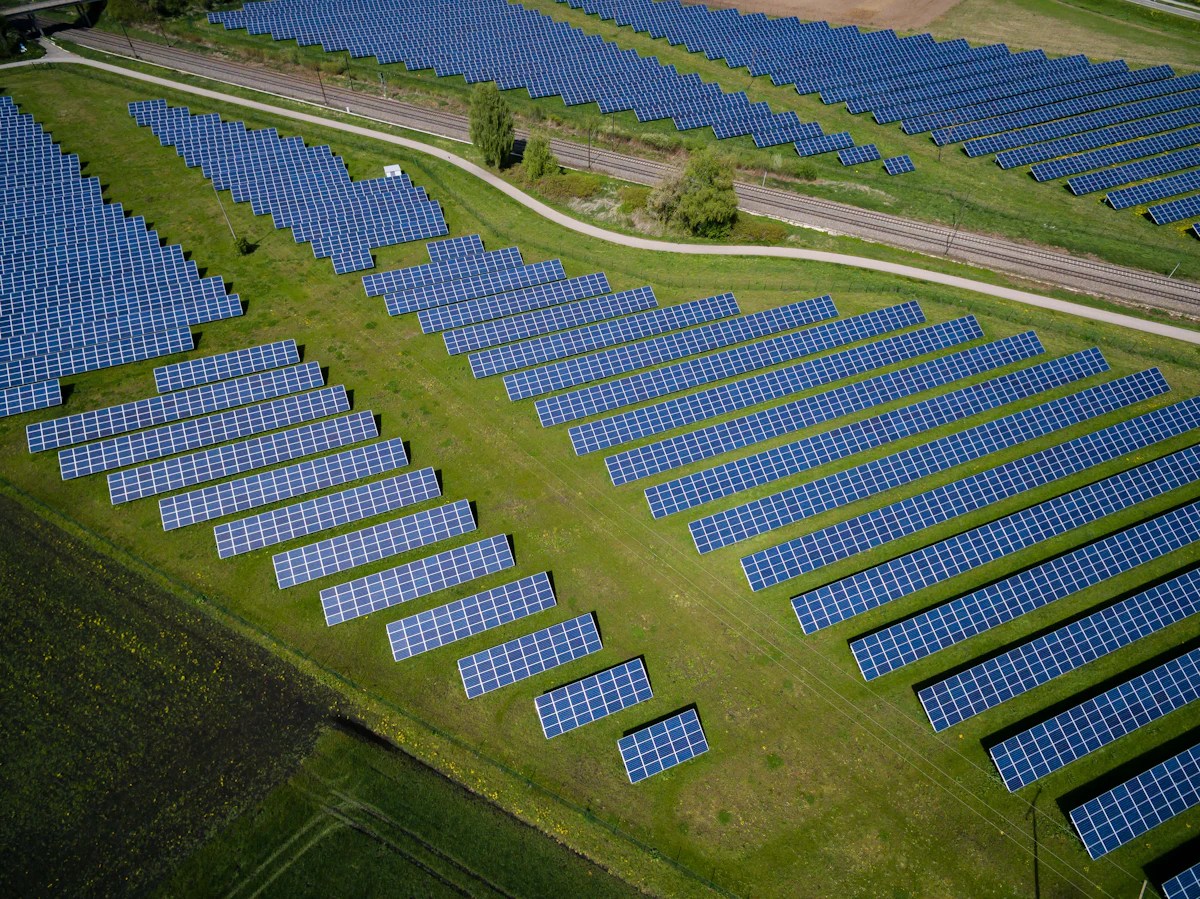
Image Source: Unsplash - A close-up view of quality galvanized steel solar mounting.
Data on Durability: Corrosion's Costly Impact
The phenomenon is clear: corrosion weakens structural components. But what does the data say? According to a NACE International study, the global cost of corrosion is estimated at over $2.5 trillion USD annually. For solar farms, corrosion-induced failures can lead to a reduction in the system's operational life well below its 25-30 year design life. For instance, a substructure failing at year 15 could necessitate a complete re-installation of the mounting system—a project costing potentially 40-60% of the original installation cost when decommissioning, new hardware, and labor are factored in. This isn't just about replacing a rusty bolt; it's about the total cost of ownership.
Case Study: A Coastal Agri-Solar Project in the Netherlands
Consider a real-world scenario from our target European market. A 5 MW agri-voltaic project was developed on farmland near the North Sea coast in the Netherlands—an environment with high humidity, saline air, and aggressive corrosion potential. The initial developer, focusing solely on bottom-line hardware costs, selected a low-cost mounting system from a non-specialized supplier.
Within seven years, inspectors found significant corrosion on the racking legs and clamps, particularly at weld points and scratches where the protective coating was compromised. The degradation was accelerating. Engineering assessments indicated potential load-bearing issues within the next 5-8 years, threatening the entire asset.
The solution? A full structural retrofit using a system sourced from a certified, premium supplier of solar steel specializing in marine environments. The new system featured:
- Z600-grade hot-dip galvanized steel (thicker zinc coating).
- Additional powder coating for an extra barrier.
- Compatible, corrosion-resistant hardware.
The retrofit cost over €850,000 and resulted in three weeks of lost production. This painful lesson underscores that the true cost of a mounting system is measured over decades, not just in upfront euros or dollars.
Highjoule's Engineering Philosophy: Integrated Strength from the Ground Up
At Highjoule, our expertise as an advanced energy storage systems provider has taught us a fundamental truth: every part of an energy system must be designed for longevity and performance. This principle extends to the physical foundation of solar generation. While we are not a raw steel manufacturer, our integrated solution design mandates partnering with only the most reputable suppliers of solar steel for our hybrid and microgrid projects.
For example, when Highjoule engineers a commercial or industrial solar-plus-storage solution, we don't just specify battery capacity and inverter specs. We consider the entire site's lifecycle. Our design packages often include recommendations for mounting systems that match the project's environmental and structural demands, ensuring the solar array that charges our batteries is as resilient and reliable as our storage systems themselves. This holistic approach de-risks projects for our clients in Europe and the US, providing a single point of accountability for performance.

Image Source: Unsplash - A large-scale solar farm requiring durable, long-lasting steel infrastructure.
Key Criteria for Choosing Your Supplier of Solar Steel
So, how do you vet a potential partner? Look beyond the price per ton. Here are critical factors to evaluate:
| Criterion | What to Look For | Why It Matters |
|---|---|---|
| Material Certification & Traceability | Mill certificates, compliance with standards (e.g., ASTM A123 for HDG, EN ISO 1461 in EU). | Guarantees chemical composition, mechanical strength, and coating quality. Essential for warranty and liability. |
| Coating Quality & Warranty | Detailed warranty on corrosion resistance (e.g., no red rust for 20+ years), coating thickness specs. | Directly predicts service life in specific environmental conditions (C1-C5 corrosivity categories). |
| Engineering Support | Provision of certified structural calculations, wind & snow load analysis, and BIM/CAD models. | Ensures the system is designed for your specific site, meeting all local building codes. |
| Compatibility & System Design | Comprehensive portfolio of compatible components (clamps, rails, fasteners) designed to work together. | Prevents galvanic corrosion and ensures mechanical integrity. Avoids "frankenstein" systems. |
The Highjoule Integration Advantage
For clients seeking a seamless energy solution, Highjoule leverages its network of trusted infrastructure partners. We help navigate these criteria, ensuring that the supplier of solar steel for your project aligns with the same high standards we apply to our Battery Energy Storage Systems (BESS). After all, a high-performance storage system is only as good as the renewable generation that feeds it.
Future-Proofing Foundations: A Concluding Thought
The energy transition is built on assets designed to last for generations. As solar projects scale from rooftop installations to gigawatt-scale power plants, the integrity of every component becomes a grid resilience issue. The choice of your structural supplier of solar steel is a decisive factor in that equation. It's a choice between a cost and an investment.
Given that the financial and operational success of your solar project rests on this silent backbone, what questions should you be asking your EPC contractor or supplier today to ensure your investment stands strong for the next 30 years?
 Inquiry
 Online Chat