


Finding the Right Supplier of Solar Kits for Your Energy Independence Journey
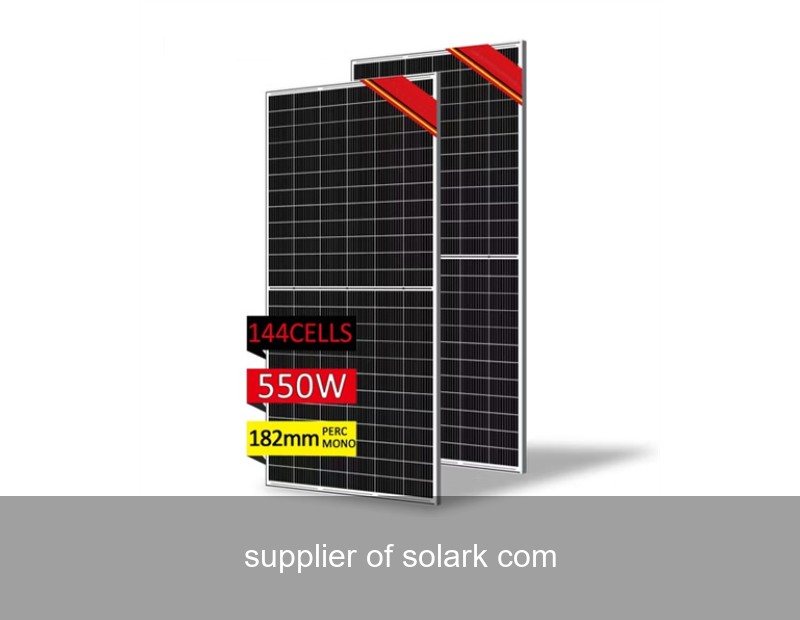
So, you've decided to harness the sun's power. It's a brilliant move towards energy independence, lower bills, and a lighter carbon footprint. But here's where many stumble: navigating the complex market to find a reliable, high-performance supplier of solar kits. It's not just about buying panels; it's about investing in a complete, integrated energy solution that will perform reliably for decades. This article will guide you through the key considerations, using real-world insights to help you make an informed choice for your home or business.
Table of Contents
- The Phenomenon: The Solar Kit Boom and Its Pitfalls
- The Data: What Separates a Good Kit from a Great Investment?
- Case Study: A German Bakery's Recipe for Energy Resilience
- The Highjoule Insight: Beyond the Kit to Intelligent Energy Management
- Choosing Your Supplier: A Checklist for Discerning Buyers
- What Does Your Energy Future Look Like?
The Phenomenon: The Solar Kit Boom and Its Pitfalls
The demand for residential and commercial solar-plus-storage systems is skyrocketing across Europe and North America. Driven by energy security concerns, rising electricity costs, and supportive policies, homeowners and business managers are turning to all-in-one solar kits. However, the market is flooded with options. Some suppliers offer generic, boxed components with little regard for your specific roof, consumption patterns, or local climate. The result? Systems that underperform, lack crucial safety features, or fail to integrate seamlessly with the grid and your lifestyle. The true cost isn't just the initial price tag; it's the long-term value, reliability, and peace of mind.

Image: A complete home energy system requires harmonious integration. (Photo by Vivint Solar on Unsplash)
The Data: What Separates a Good Kit from a Great Investment?
Let's look beyond marketing claims. Key performance indicators (KPIs) for a solar kit include:
- Energy Yield vs. Promise: Top-tier systems consistently achieve 95-98% of their projected annual yield, even in suboptimal weather, thanks to high-quality, matched components.
- Battery Cycle Life & Depth of Discharge (DoD): A premium lithium iron phosphate (LFP) battery, like those used by leading providers, can offer 6,000+ cycles at 90% DoD, guaranteeing daily use for over 15 years. Cheaper batteries may degrade significantly after just 2,000 cycles.
- System Efficiency: The round-trip efficiency (AC to AC) of a full system—from solar DC to battery storage and back to usable AC power—is critical. While average systems hover around 85%, advanced systems can achieve over 94%, meaning you waste far less of your precious solar energy.
According to a 2023 NREL report on PV system reliability, system design and component compatibility are the leading factors influencing long-term performance and failure rates, underscoring the importance of a technically proficient supplier.
Case Study: A German Bakery's Recipe for Energy Resilience
Consider "Bäckerei Schmidt," a family-run bakery in Bavaria. Their challenge: high, time-variable energy costs for refrigeration and ovens, and a desire to operate sustainably. They partnered with Highjoule, not just as a supplier of solar kits, but as a solution architect.
The installed system included:
- A 45 kWp high-efficiency photovoltaic array.
- A Highjoule H-Stack Commercial battery storage system with 120 kWh capacity, using stable LFP chemistry.
- Highjoule's proprietary Energy Operating System (EOS) for intelligent load management.
| Metric | Before Highjoule | After 12 Months with Highjoule |
|---|---|---|
| Grid Electricity Consumption | 100% (Baseline) | 38% |
| Self-Consumption of Solar Power | N/A (No Solar) | 92% |
| Energy Cost Savings | €0 (Baseline) | €11,200 annually |
| CO2 Emissions Reduction | N/A | 42 tonnes annually |
The EOS software intelligently schedules the bakery's large cooling compressors to run during peak solar production and uses stored battery power during high-price grid periods. This case demonstrates that the right supplier provides not just hardware, but the intelligence to maximize its economic return.
The Highjoule Insight: Beyond the Kit to Intelligent Energy Management
At Highjoule, we believe a true supplier of solar kits must be a long-term energy partner. Since 2005, we've evolved from providing components to delivering integrated, smart energy ecosystems. Our products are designed for the specific demands of the European and North American markets, focusing on safety, longevity, and grid support.
Our core offering for homes and businesses includes:
- The Highjoule H-Power Home System: A sleek, integrated AC-coupled system featuring our H-Cube battery (modular from 5-30 kWh), hybrid inverter, and the user-friendly Highjoule Home App. It's designed for easy installation and offers advanced features like virtual power plant (VPP) readiness.
- The Highjoule H-Stack Commercial & Industrial Series: Scalable, containerized solutions from 100 kWh to multi-MWh. These systems are built for demanding duty cycles and can include advanced grid services capabilities, helping businesses like Bäckerei Schmidt turn energy into a strategic asset.
- Highjoule Energy Operating System (EOS): The brain of the system. This AI-driven platform optimizes energy flows in real-time, learns consumption patterns, and can integrate with smart home devices and future energy markets. It's what transforms a collection of parts into a "smart" system.
We understand that local grid codes, incentives like the US Investment Tax Credit (ITC) or European subsidies, and climate patterns vary greatly. That's why our systems are not one-size-fits-all; they are engineered and configured for local compliance and maximum performance. For more on global storage trends, see the IEA's Energy Storage report.

Image: Industrial-grade storage requires robust design and monitoring. (Photo by American Public Power Association on Unsplash)
Choosing Your Supplier: A Checklist for Discerning Buyers
When evaluating a supplier of solar kits, ask these critical questions:
- Do they provide a comprehensive performance simulation based on your specific location and historical consumption data?
- Is the battery chemistry safe and long-lasting? (LFP is currently the benchmark for residential/commercial safety and cycle life).
- What is the warranty structure? Look for 10+ years on batteries and inverters, with clear terms on guaranteed end-of-warranty capacity.
- Does the system include intelligent software for monitoring, control, and updates, or is it a "dumb" hardware bundle?
- Can they offer local service, support, and installation through certified partners? A global presence with local expertise, like Highjoule's network in over 15 countries, is key.
- Are the components designed to work together seamlessly, or is it a patchwork of brands? Integrated systems from a single supplier often have fewer compatibility issues.
What Does Your Energy Future Look Like?
The journey to energy independence is exciting, but the path is paved with important technical decisions. The right partner won't just sell you a box of parts; they will understand your energy profile, your goals, and the regulatory landscape to design a system that delivers value for years to come. As you contemplate your next step, ask yourself: Is your goal merely to install solar panels, or is it to own a resilient, intelligent, and efficient personal power plant? What specific energy challenge in your home or business would you want a truly smart system to solve first?
 Inquiry
 Online Chat