


Finding the Right Solar Panel Supplier in the Philippines: Your Guide to a Smarter Energy Future
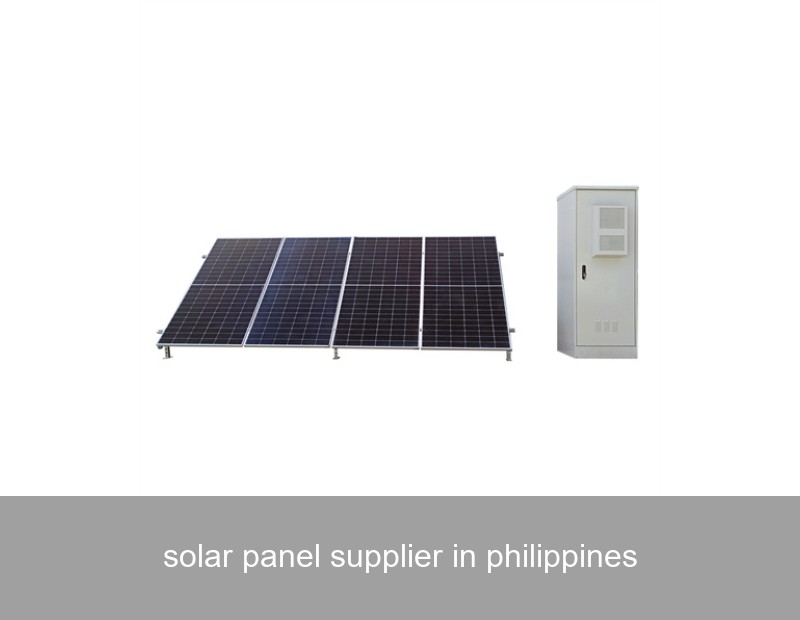
If you're a homeowner or business owner in the Philippines looking at the sun-drenched sky and thinking about solar, you're onto something big. The archipelago nation, blessed with abundant sunshine, is experiencing a renewable energy revolution. But here's a crucial insight from the industry: your journey to energy independence doesn't start and end with the solar panel supplier in the Philippines you choose. It begins with understanding the complete energy ecosystem. The panels are the workhorses, capturing the sun's rays. But what happens to that energy? How is it stored, managed, and optimized for when you need it most—during peak rates, brownouts, or at night? This is where the conversation evolves from simply buying panels to investing in an intelligent power solution.
Beyond the Panel: Why System Intelligence Matters
Imagine two identical buildings in Manila, both with high-quality solar panels installed. One building slashes its energy bill by 70%, enjoys seamless backup during grid outages, and even earns credits by selling excess power. The other sees only a 40% reduction and is still vulnerable to instability. The difference? The first building uses a smart, integrated solar-plus-storage system. The panels are just one component; the brain of the operation is the advanced battery storage and energy management system.
This is a critical consideration. A reputable solar panel supplier in the Philippines should be able to guide you on this holistic integration. Let’s break down the key components of a truly resilient system:
- High-Efficiency Solar Panels: The foundation. Look for suppliers offering Tier-1 panels with strong warranties and proven performance in tropical climates.
- Advanced Battery Energy Storage System (BESS): This is the game-changer. It stores excess solar energy for use at night or during outages.
- Intelligent Energy Management System (EMS): The "brain" that optimizes energy flow, deciding when to charge, discharge, or export power based on your usage patterns and tariff rates.
- Robust Power Conversion System (PCS): Safely manages the conversion between DC (solar/battery) and AC (your appliances).
This integrated approach is precisely where Highjoule excels. Since 2005, we've moved beyond being just a component provider to become a global solutions architect for smart, sustainable power. For the Philippine market, this means we partner with and support top-tier solar panel suppliers and installers by providing the core intelligence behind the scenes: our Highjoule HiveStack™ energy storage systems. These modular, scalable systems are designed for commercial, industrial, and residential applications, ensuring that the clean energy you generate is never wasted and always available on demand.

Consider this data: According to the International Renewable Energy Agency (IRENA), the cost of electricity from utility-scale solar photovoltaics fell by 88% between 2010 and 2021. This makes solar incredibly competitive. However, the true value is unlocked when paired with storage, which can manage the intermittency of solar and provide firm, dispatchable power.
A Case Study in Resilience: Luzon's Commercial Success
Let's look at a real-world application. A medium-sized food processing plant in Central Luzon was facing two major challenges: cripplingly high electricity costs from running cold storage and machinery, and frequent, unpredictable brownouts that risked spoiling inventory. They partnered with a local solar panel supplier in the Philippines who integrated a Highjoule HiveStack™ 500kWh battery system with a new 300kW rooftop solar array.
The results, measured over 12 months, were transformative:
| Metric | Before Installation | After Installation |
|---|---|---|
| Monthly Grid Energy Consumption | 120,000 kWh | 35,000 kWh |
| Energy Cost Savings | Baseline | 68% Reduction |
| Outage Protection | 0 hours (Full vulnerability) | 8+ hours of critical load backup |
| ROI Period | N/A | Estimated 4.2 years |
The Highjoule system's intelligent EMS was programmed to prioritize solar charging, use stored energy during peak tariff hours (4-9 PM), and provide instantaneous backup during grid failures. This not only secured their operations but turned their energy infrastructure from a cost center into a strategic asset.
Choosing Your Solar Panel Supplier in the Philippines: Key Questions to Ask
So, as you evaluate a solar panel supplier in the Philippines, your checklist should extend beyond panel brands and per-watt price. Here are essential questions to ask:
- Do you offer integrated solar-plus-storage solutions? If not, can you partner with a specialist storage provider?
- What is the depth of system design expertise? Can they model your load profile and simulate financial returns accurately?
- What are the warranties on the entire system, especially the battery's performance and longevity? (Highjoule systems, for instance, come with robust performance warranties backed by 18+ years of field experience).
- Can the system be easily expanded in the future? Modularity is key as your energy needs grow.
- Do you have local service and maintenance support? This is non-negotiable for long-term system health.

The Future is Integrated and Intelligent
The Philippine energy landscape is rapidly evolving. Policies are encouraging self-generation, and the cost of fossil fuels remains volatile. The Department of Energy has set ambitious targets for renewable energy capacity. In this context, an intelligent energy storage system is no longer a luxury add-on; it's the cornerstone of a reliable, cost-effective solar investment.
When you engage with a solar panel supplier in the Philippines, you're choosing a partner for a 20+ year investment. The most forward-thinking partners understand that the value lies in the total solution. They will likely work with global technology leaders like Highjoule to deliver not just kilowatt-hours of generation, but kilowatt-hours of controlled, secure, and intelligent power.
What does your ideal energy future look like? Is it simply lower bills, or is it complete energy resilience and the ability to take control of your power costs, regardless of what happens to the national grid?
 Inquiry
 Online Chat