


Navigating the Energy Transition: Your Guide to a Supplier of Verkor LFP Batteries
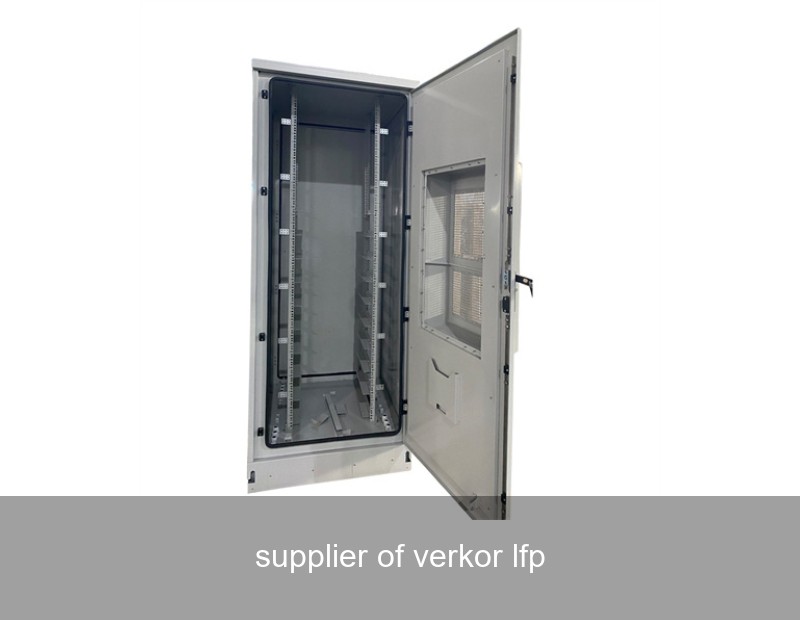
The European and North American energy landscapes are undergoing a seismic shift. As industries and communities strive for energy independence and sustainability, the demand for robust, long-lasting battery storage has skyrocketed. In this quest, one name has emerged as a beacon of European innovation: Verkor. Their high-performance Lithium Iron Phosphate (LFP) batteries are coveted for their safety, longevity, and efficiency. But for system integrators and project developers, a critical question arises: who is the right supplier of Verkor LFP technology to bring these advanced cells into a reliable, grid-ready system? It's not just about buying cells; it's about sourcing integrated intelligence.
Table of Contents
The Verkor Advantage: Why LFP is Dominating Modern Storage
Let's start with the core component. Verkor, a French industrial pioneer, is at the forefront of designing and manufacturing premium LFP battery cells in Europe. But why has LFP chemistry become the go-to choice for serious energy storage applications?
The shift is driven by hard-nosed economics and risk management. Unlike older chemistries, LFP batteries offer exceptional thermal and chemical stability, dramatically reducing fire risk—a paramount concern for commercial and industrial installations. They also boast a significantly longer cycle life, often exceeding 6,000 cycles while retaining 80% of their capacity. This translates to a lower total cost of ownership over the system's lifespan. For a business, this means predictable performance and better ROI. As the International Energy Agency (IEA) highlights, safety and cost durability are key drivers for storage deployment.

Image: A modern containerized BESS unit. Safety and longevity are paramount for industrial applications. (Source: Unsplash)
Beyond the Cell: The Critical Role of a System Supplier
Here’s where the story gets more complex. A Verkor LFP cell is a masterpiece of electrochemical engineering, but it is not a plug-and-play power solution. Imagine receiving the world's finest engine block—it's powerful and well-made, but you still need a skilled engineer to integrate it with a transmission, cooling system, and controls to build a functional, reliable vehicle.
The same is true for battery storage. A true supplier of Verkor LFP-based systems provides the essential ecosystem that turns cells into a resilient asset. This integration involves:
- Advanced Battery Management System (BMS): The "brain" that meticulously monitors each cell for voltage, temperature, and state of charge, ensuring balance, safety, and longevity.
- Thermal Management: A precise cooling and heating system to keep the cells in their optimal temperature window, crucial for performance and lifespan.
- Power Conversion System (PCS): The bidirectional inverter that manages the flow of electricity between the battery (DC) and the grid or facility (AC).
- Grid Integration & Control Software: The intelligence that allows the system to perform applications like peak shaving, frequency regulation, or backup power seamlessly.
Choosing a partner who masters this integration is the single most important decision after selecting the cell technology itself.
Case Study: Stabilizing a German Industrial Microgrid
Let's look at a real-world scenario. A mid-sized automotive parts manufacturer in Bavaria, Germany, faced two challenges: volatile energy prices cutting into profit margins and a commitment to power its factory with 100% on-site renewables (solar and wind). Their intermittent generation created power quality issues.
Their solution was a 2 MWh / 1 MW battery energy storage system (BESS). They partnered with a supplier of Verkor LFP technology that provided a fully integrated, containerized solution. The supplier’s expertise was not just in housing Verkor cells, but in delivering:
- A proprietary, adaptive BMS calibrated for Verkor's cell characteristics.
- An energy management system (EMS) programmed for German grid codes and to optimize self-consumption.
The Results (12 months post-installation):
| Metric | Outcome | Impact |
|---|---|---|
| Peak Demand Charges | Reduced by 40% | Direct, recurring cost savings |
| Renewable Self-Consumption | Increased from 55% to 85% | Less wasted solar/wind energy |
| Grid Service Revenue | €28,000 annually | Income from primary frequency response (a service to the German grid operator) |
| System Round-Trip Efficiency | Consistently >94% | Maximizes every unit of energy stored |
This case, documented in a Fraunhofer ISE study on storage value streams, illustrates that the value lies in the intelligent application of the hardware.
The Highjoule Approach: Intelligence Meets Verkor Durability
At Highjoule, with nearly two decades of experience as a global advanced energy storage system provider, we understand this principle deeply. When we act as your supplier of Verkor LFP battery systems, we deliver more than just premium cells in a rack. We deliver a guaranteed outcome.
Our HI-Stack Commercial series, built around Verkor's robust LFP cells, is engineered for the demands of C&I and microgrid applications. What makes it different?
- Predictive Analytics Platform: Our cloud-connected Highjoule OS doesn't just report data; it analyzes performance trends and predicts maintenance needs, preventing downtime before it happens.
- Application-Specific Programming: Whether your goal is maximizing solar self-consumption in California or participating in the UK's Dynamic Containment market, our systems are pre-configured and certified for local grid requirements.
- Scalable Architecture: Start with a 500 kWh system and expand seamlessly to multi-megawatt installations as your needs grow, all managed through a single control interface.
For a large-scale microgrid project in Scandinavia, Highjoule's integration of Verkor LFP cells with our advanced cold-weather thermal management system ensured >98% availability even in sub-zero temperatures, a critical factor for remote community resilience.

Image: Centralized monitoring and control are key for optimizing BESS performance. (Source: Unsplash)
Choosing Your Strategic Storage Partner
So, as you evaluate your options for a supplier of Verkor LFP battery systems, look beyond the datasheet. Ask potential partners:
- How does your BMS actively adapt to the aging profile of LFP cells to maximize lifespan?
- Can you provide documented case studies with real performance data in my target market (e.g., ERCOT, National Grid)?
- What is your software roadmap, and how will my system's capabilities evolve over the next decade?
- How do you ensure local service and technical support for operations and maintenance?
The right partner bridges the gap between groundbreaking cell technology and tangible, daily business value—turning stored electrons into a strategic asset.
 Inquiry
 Online Chat