


Sustainable Energy Products: The Key to Unlocking a Resilient and Independent Future
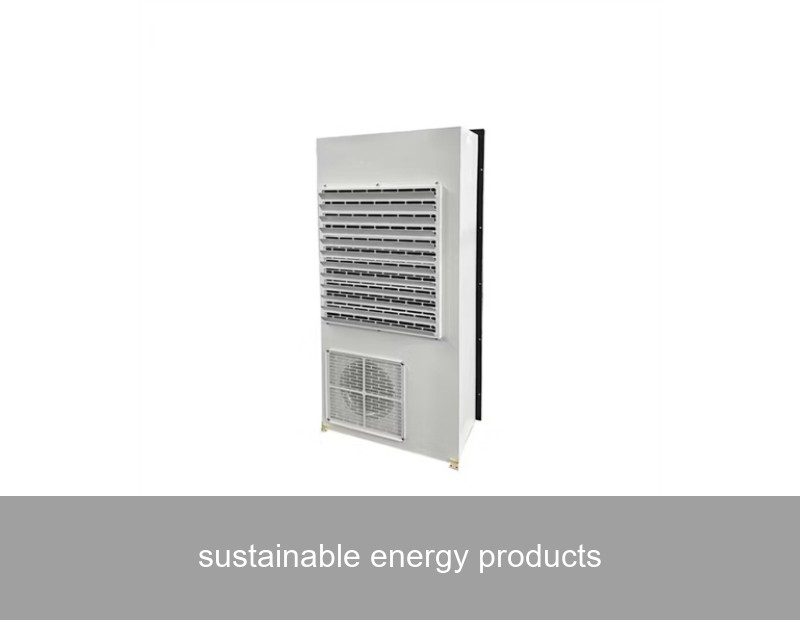
Have you ever glanced at your rising electricity bill and wondered, "There must be a better way"? Or felt a pang of concern about grid reliability during a storm warning? You're not alone. Across homes and businesses in Europe and the US, a quiet revolution is underway. People are moving beyond just wanting clean power; they are actively seeking sustainable energy products that deliver energy independence, financial savings, and true resilience. This isn't just about solar panels anymore. It's about intelligent, integrated systems that capture, store, and manage renewable energy seamlessly. As a leader in this space since 2005, Highjoule has witnessed this evolution firsthand, engineering solutions that turn the promise of sustainable energy into a daily, dependable reality.
Table of Contents
- The Phenomenon: From Passive Consumer to Proactive Prosumer
- The Data: Why Sustainable Energy Systems Are No Longer a Niche
- The Core: What Makes a Truly Sustainable Energy Product?
- Case Study: A Bavarian Bakery's Recipe for Energy Independence
- The Highjoule Approach: Intelligence at the Heart of Sustainability
- Future Horizons: What's Next for Energy Resilience?
The Phenomenon: From Passive Consumer to Proactive Prosumer
The traditional, one-way flow of electricity—from a distant power plant to your outlet—is becoming obsolete. A combination of factors is driving this shift. In Europe, energy security concerns have accelerated the demand for self-sufficiency. In the US, increasing grid instability due to extreme weather events, from heatwaves in California to winter storms in Texas, has homeowners and business owners alike looking for backup solutions. The modern energy user is no longer just a consumer; they are a "prosumer"—both producing and consuming energy. This shift demands a new category of sustainable energy products: systems that are interconnected, smart, and built to last.
The Data: Why Sustainable Energy Systems Are No Longer a Niche
Let's look at the numbers. The global energy storage market is projected to grow exponentially, with front-of-the-meter and behind-the-meter applications leading the charge. According to the International Energy Agency (IEA), the world added 42 GW of energy storage capacity in 2023 alone, a 60% increase from the previous year. In the residential sector, a study by the Solar Energy Industries Association (SEIA) found that solar-plus-storage attachments in the US have surged from under 10% a few years ago to now over 50% in key markets like California and Hawaii. This isn't a trend; it's a mainstream movement. The data clearly shows that standalone solar is giving way to integrated systems where storage is the linchpin, maximizing the use of every kilowatt-hour generated.

Integrated solar and storage systems are becoming a standard for energy-resilient homes. (Image credit: Unsplash)
The Core: What Makes a Truly Sustainable Energy Product?
When we discuss sustainable energy products, we must look beyond the green label. True sustainability encompasses three pillars:
- Environmental Sustainability: High-efficiency components that maximize renewable energy utilization, long product lifespans, and safe, recyclable materials.
- Economic Sustainability: Significant reduction in energy bills, protection from volatile energy prices, and increased property value.
- Operational Sustainability: Uninterrupted power during outages, grid support services, and intelligent management that adapts to your usage patterns.
The magic happens when these pillars are supported by advanced technology. This is where companies like Highjoule focus their expertise. It's not just about providing a battery; it's about delivering a complete Battery Energy Storage System (BESS) with sophisticated energy management software that acts as the brain of your personal microgrid.
Case Study: A Bavarian Bakery's Recipe for Energy Independence
Let's make this concrete with a real-world example. Schmidt's Backstube, a family-owned bakery in southern Germany, faced a classic dilemma. Their ovens, refrigeration, and lighting created high, variable energy costs, and their commitment to using local ingredients extended to wanting local, clean power. They installed a 120 kW solar array, but found they were exporting excess power at low noon rates only to buy it back at higher evening rates during their final baking cycle.
The solution was a Highjoule HiveStack BESS with an integrated energy management system. The 250 kWh battery store captures the midday solar surplus. Now, when the evening baking rush begins, the bakery runs primarily on stored solar energy, not grid power.
- Grid electricity consumption reduced by 78%.
- Energy cost savings of €18,500 annually.
- Ability to participate in a local grid flexibility program, earning additional revenue by providing stabilizing services.
- Uninterrupted operations during two planned grid maintenance blackouts.
"For us, sustainability means being responsible for our community and our business's future," said owner Klaus Schmidt. "The Highjoule system turned our solar panels from a cost-saver into a strategic asset. We control our energy, and that's priceless."
The Highjoule Approach: Intelligence at the Heart of Sustainability
At Highjoule, we believe intelligence defines the next generation of sustainable energy products. Our solutions are designed for the prosumer, whether it's a homeowner, a factory, or a remote microgrid. Our core philosophy is built on three layers:
| Layer | Highjoule Solution | Benefit to You |
|---|---|---|
| Hardware Excellence | High-density, long-cycle life lithium-ion battery racks (HiveCell), scalable from 10 kWh to multi-MWh. Compatible with all major inverter brands. | Durability, safety, and a system that grows with your needs. |
| System Integration | Pre-engineered, plug-and-play enclosures (HiveStack for C&I, HiveHome for residential) that integrate batteries, inverters, cooling, and safety systems. | Faster, safer installation and a seamless, reliable all-in-one unit. |
| Digital Intelligence | Highjoule Nexus™ AI-powered software. It forecasts energy production/consumption, optimizes charge/discharge cycles for savings, and enables remote monitoring & control. | Maximizes ROI, automates savings, and gives you full visibility and control via a simple app. |
For a commercial or industrial client, this might mean a HiveStack system that performs peak shaving—dynamically discharging the battery during the most expensive grid demand hours—saving thousands. For a homeowner with a HiveHome system, it means the software automatically switches to backup power during a blackout before the lights even flicker, all while prioritizing solar self-consumption daily.

Scalable, containerized BESS solutions like Highjoule's HiveStack are key for commercial and industrial sustainability. (Image credit: Unsplash)
Future Horizons: What's Next for Energy Resilience?
The journey doesn't end with a battery in your basement or a container on your property. The future of sustainable energy products lies in their ability to communicate and collaborate. Imagine a network of home batteries in a neighborhood, orchestrated to support the local grid during a strain, enhancing community-wide resilience. Or an industrial park where multiple Highjoule systems trade energy peer-to-peer, creating a hyper-efficient local energy market. This concept, known as the Virtual Power Plant (VPP), is already being piloted with our technology. The National Renewable Energy Lab (NREL) highlights VPPs as a critical tool for grid decarbonization and stability. The sustainable energy product of tomorrow is not just an island of resilience but an active citizen in a smarter, cleaner energy ecosystem.
So, we leave you with this question: As you look at your own energy needs—whether driven by cost, reliability, or environmental goals—what is the first step you envision taking to transform from a passive consumer into an empowered energy prosumer?
 Inquiry
 Online Chat