


Sustainable Energy Systems and Applications: Powering a Resilient Future
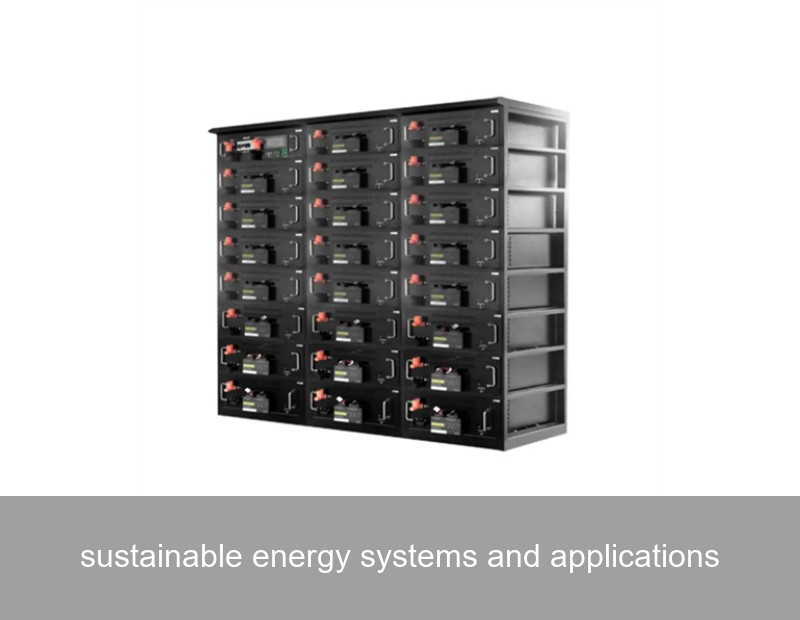
Imagine a world where your home, business, or community isn't just powered by the grid, but can also power itself. This is no longer a futuristic dream, but a tangible reality made possible by modern sustainable energy systems and applications. For nearly two decades, Highjoule has been at the forefront of this revolution, designing intelligent energy storage solutions that transform how we generate, store, and use power. This article will explore the core applications of these systems, the tangible benefits they deliver, and how they are shaping a more resilient and efficient energy landscape globally.
Table of Contents
- The Rise of Sustainable Energy Systems
- Key Applications of Sustainable Energy Systems
- The Data Advantage: Why Storage is Non-Negotiable
- Case Study: A German Manufacturing Plant's Journey to Resilience
- Highjoule's Role: Intelligent Systems for Real-World Challenges
- Future Horizons and Your Next Step
The Rise of Sustainable Energy Systems
The global shift towards renewables is undeniable. However, the sun doesn't always shine, and the wind doesn't always blow. This intermittency is the fundamental challenge that sustainable energy systems and applications are designed to solve. At their core, these systems integrate generation (like solar PV), advanced battery storage, and smart energy management software to create a reliable, self-optimizing power ecosystem. It's about moving from passive consumption to active, intelligent energy management.

Image Source: Unsplash - Representative image of commercial solar application.
Key Applications Transforming Our Grid
The versatility of modern sustainable energy systems is their greatest strength. They are not one-size-fits-all but are tailored to specific needs across different sectors.
1. Residential Energy Independence
For homeowners, the application is about security, savings, and sustainability. A typical system pairs rooftop solar with a home battery, like Highjoule's ResiCore series. This allows households to:
- Store excess solar energy for use at night, dramatically reducing grid reliance.
- Provide critical backup power during outages, keeping lights and refrigerators on.
- Participate in utility demand response programs (where available), earning credits for supporting grid stability.
2. Commercial & Industrial (C&I) Cost and Carbon Management
For businesses, energy is a major operational cost and a sustainability metric. C&I systems, such as Highjoule's GridMax Industrial platform, focus on:
- Peak Shaving: Storing energy during low-cost periods to use during expensive peak demand times, slashing electricity bills.
- Power Quality Management: Protecting sensitive equipment from voltage sags and surges.
- Meeting ESG Goals: Enabling a higher consumption of self-generated renewable energy, reducing scope 2 carbon emissions.
3. Microgrids and Community Resilience
This is perhaps the most transformative application. Microgrids are localized grids that can disconnect from the main grid and operate autonomously. They are vital for:
- Remote communities reliant on diesel generators, integrating solar/wind + storage to cut fuel costs and pollution.
- Critical facilities (hospitals, universities, military bases) that require 100% uptime.
- Enhancing overall grid resilience by acting as independent power nodes during regional blackouts or natural disasters.
The Data Advantage: Why Storage is Non-Negotiable
Let's talk numbers. The U.S. Energy Information Administration (EIA) projects that battery storage capacity will grow significantly in the coming years, a clear indicator of market direction. But why this explosive growth? The logic is compelling:
| Challenge | Solution with Storage | Outcome |
|---|---|---|
| Solar/Wind are Intermittent | Batteries store excess for later use | Firm, dispatchable renewable power |
| Grid Congestion & Peak Charges | Discharge stored energy during peaks | Lower costs, deferred grid upgrades |
| Grid Outages & Instability | Islanding capability & grid services | Enhanced resilience and reliability |
Without storage, a significant portion of renewable energy can be wasted. With it, we unlock the full economic and environmental value of every kilowatt-hour generated.
Case Study: A German Manufacturing Plant's Journey to Resilience
Let's make this concrete. A mid-sized automotive parts manufacturer in Bavaria, Germany, faced two problems: volatile energy prices impacting their bottom line and a corporate mandate to reduce carbon footprint by 30% within five years. Their existing 500 kW rooftop solar array only covered about 40% of their daytime load, and nothing after sunset.
The Sustainable Energy Application: They partnered with Highjoule to implement a turnkey solution featuring a 1 MWh Highjoule GridMax Industrial battery energy storage system (BESS), integrated with their existing solar and upgraded smart controls.
The Data-Driven Results (12 months post-installation):
- Energy Cost Reduction: By strategically "peak shaving" and optimizing solar self-consumption, they reduced their grid electricity costs by 68% during peak pricing periods.
- Carbon Reduction: Their renewable self-consumption rate jumped from 40% to over 85%, putting them firmly on track to meet their sustainability target.
- ROI: The system achieved a projected payback period of under 5 years, thanks in part to Germany's supportive regulatory environment for decentralized energy.

Image Source: Unsplash - Representative image of an industrial BESS installation.
Highjoule's Role: Intelligent Systems for Real-World Challenges
Since 2005, Highjoule's mission has been to bridge the gap between renewable potential and reliable power. Our expertise isn't just in hardware; it's in creating intelligent, application-specific systems. We understand that a residential system in California has different needs than an industrial microgrid in Scandinavia. Our product suite reflects this:
- ResiCore Home Battery: A sleek, safe, and scalable lithium iron phosphate (LFP) battery system designed for seamless integration with residential solar, managed by an intuitive app.
- GridMax Commercial & Industrial BESS: A modular, containerized or rack-mounted solution featuring advanced thermal management and grid-forming capabilities. It's the backbone for peak shaving, backup power, and grid support.
- Microgrid Control Platform (MCP): The "brain" of complex systems. This software platform optimizes energy flows between solar arrays, battery storage, diesel generators, and the main grid, ensuring reliability and lowest cost at every moment.
Our approach is holistic. We provide consultation, system design, installation support, and ongoing monitoring, ensuring every deployment delivers on its promise of sustainability and resilience. The International Renewable Energy Agency (IRENA) has highlighted the critical role of energy storage in the global energy transition, and Highjoule's technology is built to fulfill that role every day.
Future Horizons and Your Next Step
The landscape of sustainable energy systems and applications is evolving rapidly. We're seeing the rise of virtual power plants (VPPs), where thousands of distributed systems like home batteries are aggregated to act as a single, large power plant. Vehicle-to-Grid (V2G) technology, where electric vehicles can feed power back into homes or the grid, is on the horizon. These innovations promise a grid that is not only cleaner but also more democratic and resilient.
The question is no longer if sustainable energy systems are viable, but how to best implement them for your specific needs. Whether you're a homeowner tired of blackouts, a facility manager tasked with cutting costs, or a developer planning an off-grid community, the technology is here and proven.
What specific energy challenge—be it cost, reliability, or sustainability—is most pressing for your home or business today, and how might an intelligent storage solution reshape that equation?
 Inquiry
 Online Chat