


Understanding the Autonomous Electrical System: Your Path to Energy Independence
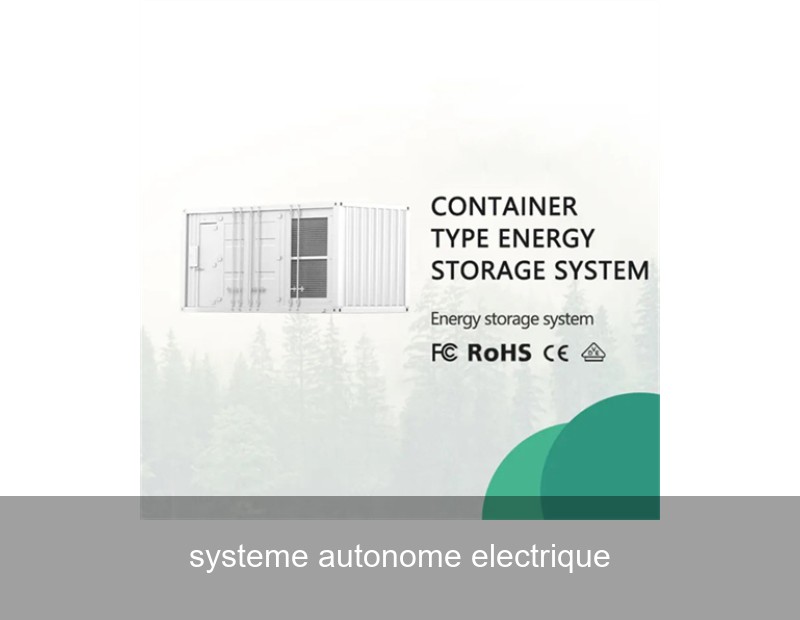
Have you ever imagined a home or business that generates, stores, and manages its own electricity, completely independent from the grid? This isn't science fiction; it's the reality made possible by an autonomous electrical system. As energy prices fluctuate and climate concerns grow, especially across Europe and the US, the quest for reliable, clean, and self-sufficient power has never been more urgent. An autonomous electrical system, or off-grid power system, is the ultimate solution, combining renewable generation with intelligent storage to create a self-sustaining energy ecosystem. For nearly two decades, Highjoule has been at the forefront of this revolution, engineering smart, efficient, and sustainable storage solutions that form the intelligent core of any successful autonomous setup.
Table of Contents
- What is an Autonomous Electrical System?
- Key Components of a Reliable System
- Highjoule's Role: The Intelligence Behind Autonomy
- Case Study: A Winery's Journey to Energy Independence
- Designing Your Autonomous System: Key Considerations
- The Future of Autonomous Energy
What Exactly is an Autonomous Electrical System?
An autonomous electrical system is a standalone power setup designed to meet 100% of a site's electricity needs without connection to the public utility grid. Think of it as a self-contained energy island. Its primary goal is energy independence, providing security, resilience, and often significant long-term cost savings. While commonly associated with remote cabins, its application has exploded for homes, farms, businesses, and critical infrastructure in grid-connected areas seeking backup and autonomy.

Image: A modern autonomous energy setup for a residential property. (Photo by Unsplash)
The Building Blocks: Key Components of a Reliable System
Creating true energy autonomy requires more than just solar panels. It's a sophisticated symphony of components working in harmony:
- Energy Generation (The Source): Typically solar PV or wind turbines. Solar is the most common due to its modularity and decreasing cost. The size must be calculated to cover annual consumption, even in low-production seasons.
- Energy Storage (The Bank): This is the heart of the system. Batteries store excess energy generated during sunny or windy periods for use at night or during calm weather. Not all batteries are created equal for this demanding, daily cycling role.
- Charge Controller & Inverter (The Brain & Interpreter): The charge controller manages the flow of electricity into the batteries to prevent damage. The inverter converts the stored DC battery power into AC power used by your appliances. In advanced systems, these are integrated into a single, intelligent unit.
- Backup Generator (Optional Safety Net): For extended periods of low renewable generation, a biodiesel or propane generator can provide backup, ensuring uninterrupted power.
- Energy Management System (The Conductor): The true intelligence. This software platform monitors generation, consumption, and storage, making real-time decisions to optimize efficiency and prioritize loads.
The Hidden Cost of Grid Reliance: More Than Just Blackouts
We often don't appreciate the grid until it fails. But the reliance on centralized power presents a multi-faceted challenge. Beyond the obvious inconvenience of outages—which cost the US economy an estimated $150 billion annually—there's volatility. In Europe, energy prices have seen unprecedented spikes, directly impacting household budgets and business operational costs. Furthermore, grid power's carbon intensity varies, often conflicting with corporate sustainability goals or personal environmental values. An autonomous system addresses all three: resilience, cost predictability, and green integrity.
Highjoule's Expertise: The Intelligent Core of Your Autonomous System
While the concept is straightforward, the execution is complex. This is where Highjoule's 19 years of specialization becomes critical. We don't just supply batteries; we provide the integrated intelligence that makes autonomy reliable and hassle-free.
Our flagship product for residential and commercial autonomous systems is the Highjoule Nexus Energy Hub. This isn't a simple battery box. It's an all-in-one unit that combines a high-efficiency hybrid inverter, a sophisticated battery management system (BMS), and modular lithium iron phosphate (LiFePO4) battery packs into a single, sleek cabinet. The Nexus is designed for the rigorous daily charge/discharge cycles of off-grid life, offering exceptional cycle life and safety.
For larger-scale industrial or microgrid applications, our Highjoule GridSynch Platform enables the seamless integration of multiple power sources (solar, wind, generator) with massive storage capacity, creating a stable and autonomous microgrid. All our systems are managed by our proprietary Highjoule Apex OS, a cloud-connected energy management platform that gives you real-time insight and control over your personal energy ecosystem from anywhere in the world.
| System Aspect | Conventional DIY Approach | With Highjoule Integrated Solution |
|---|---|---|
| System Intelligence | Multiple devices from different vendors, requiring complex integration. | Unified, pre-engineered hardware and software designed to work seamlessly. |
| Battery Longevity | Dependent on proper sizing and manual management. | Advanced BMS with AI-driven cycling to actively prolong battery life. |
| Monitoring & Control | Basic local displays or fragmented apps. | Comprehensive remote monitoring, analytics, and control via Apex OS. |
| Scalability | Often difficult and expensive to expand. | Modular design allows for easy capacity addition as needs grow. |
Case Study: Achieving Autonomy at Château de la Roche, France
Let's look at a real-world example. Château de la Roche, a family-owned winery in Burgundy, faced two major issues: unpredictable grid power threatening their temperature-sensitive fermentation process, and a strong desire to reduce their carbon footprint. Their goal was a 99% autonomous electrical system to power the winemaking facility and tasting room.
The Challenge: Ensure critical cooling systems never fail during fermentation, handle high starting loads of agricultural equipment, and do so within a constrained space.
- A 120 kW solar PV array installed on winery outbuildings.
- A Highjoule GridSynch Platform with 240 kWh of LiFePO4 storage.
- Intelligent load management to prioritize the refrigeration units and phase other loads.
- A natural gas backup generator (used less than 50 hours per year) for ultimate redundancy.
The Results (Data after 24 months of operation):
- Energy Autonomy: Achieved 98.7% grid independence.
- Cost Savings: Reduced energy costs by 100% for 9 months of the year; only minimal costs during deepest winter.
- Reliability: Zero production losses due to power issues, securing the annual vintage.
- Emission Reduction: Carbon footprint of operations reduced by an estimated 42 tonnes of CO2 annually, a key marketing point for their eco-conscious clientele.

Image: Solar panels on commercial buildings are a cornerstone of industrial autonomy. (Photo by Unsplash)
Designing Your System: Key Questions to Consider
Embarking on your autonomy journey requires careful planning. Here are the essential questions our experts at Highjoule help our clients answer:
- What is your primary goal? (Full off-grid, backup resilience, cost stability?)
- What is your total energy consumption, and what is your critical load? A detailed energy audit is step one.
- What is your site's renewable potential? (Solar irradiation, wind patterns.)
- What level of redundancy do you need? Can you tolerate a short outage if batteries are low and the sun isn't shining, or is 100% uptime non-negotiable?
Professional design is non-negotiable. Undersizing leads to failure; oversizing leads to unnecessary expense. Highjoule's design services use sophisticated modeling tools to simulate year-round performance, ensuring your autonomous electrical system is perfectly tailored to your site and needs.
The Broader Horizon: Autonomous Systems and the Future Grid
While focused on independence, autonomous systems also play a collective role. Imagine communities of homes and businesses with Highjoule systems forming resilient, decentralized energy networks. During regional grid stress, these systems can reduce collective demand or even provide localized support, a concept known as a virtual power plant (VPP). The National Renewable Energy Laboratory (NREL) highlights the grid-stabilizing potential of such distributed resources. Your personal autonomy can contribute to broader grid stability and a faster transition to renewables.
Ready to Explore Your Energy Independence?
The technology for robust, intelligent autonomous electrical systems is here, proven, and more accessible than ever. It moves from being a niche alternative to a smart, strategic choice for energy security and sustainability. What would energy independence mean for you—freedom from bills, absolute business continuity, or simply the peace of mind that your power is clean and under your control? What's the first load you would secure with your own autonomous power?
 Inquiry
 Online Chat