


How Much Does Solar Energy Really Cost? A Complete Breakdown for 2024
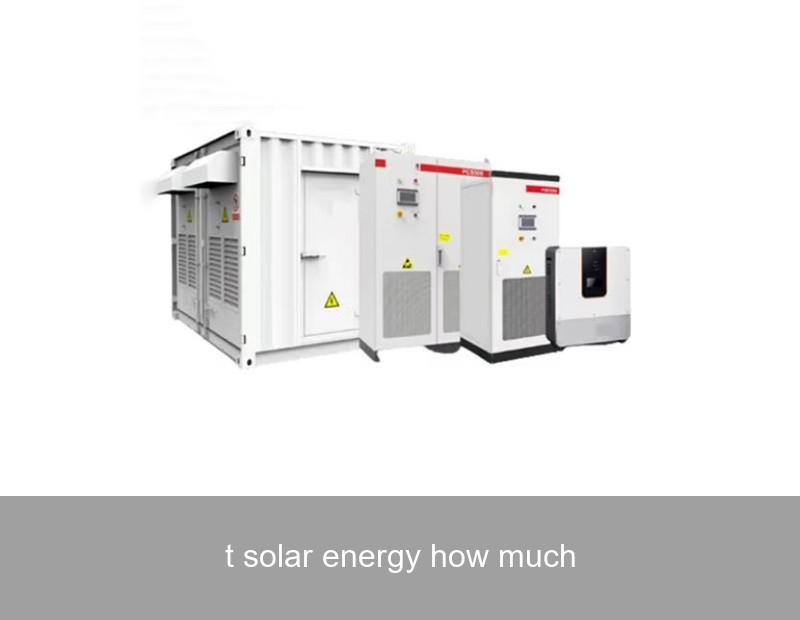
If you're considering solar panels, your first question is likely, "How much does solar energy cost?" It's a smart question, but the answer isn't a single number. The cost of solar energy is no longer just about the price tag on the panels. It's about the total system—including cutting-edge energy storage—and the long-term value it delivers in energy independence and bill savings. For homeowners and businesses in Europe and the US, understanding this holistic cost is key to making a powerful investment. This article will break down the real costs, showcase real-world savings, and explain how modern solutions from providers like Highjoule are changing the value equation.
Table of Contents
- The Real Cost: Beyond the Price Per Panel
- Key Factors Influencing Your Solar Investment
- The Storage Game-Changer: Why Battery Cost Matters
- Case Study: A German Bakery's Recipe for Savings
- The Highjoule Solution: Intelligent, Integrated Energy
- The Future Outlook: Costs vs. Value
The Real Cost: Beyond the Price Per Panel
Let's address the headline figure first. In 2024, the average cost for a residential solar panel system in the U.S. ranges between $15,000 and $25,000 before incentives. In Europe, prices vary by country but often fall within a similar range per watt of capacity. But here's the critical shift in perspective: we must stop thinking in terms of "cost" and start thinking in terms of "energy economics." The true metric is the Levelized Cost of Energy (LCOE)—the average net present cost of electricity generation over the system's lifetime. For solar, the LCOE has plummeted by over 80% in the last decade, making it highly competitive with grid power.
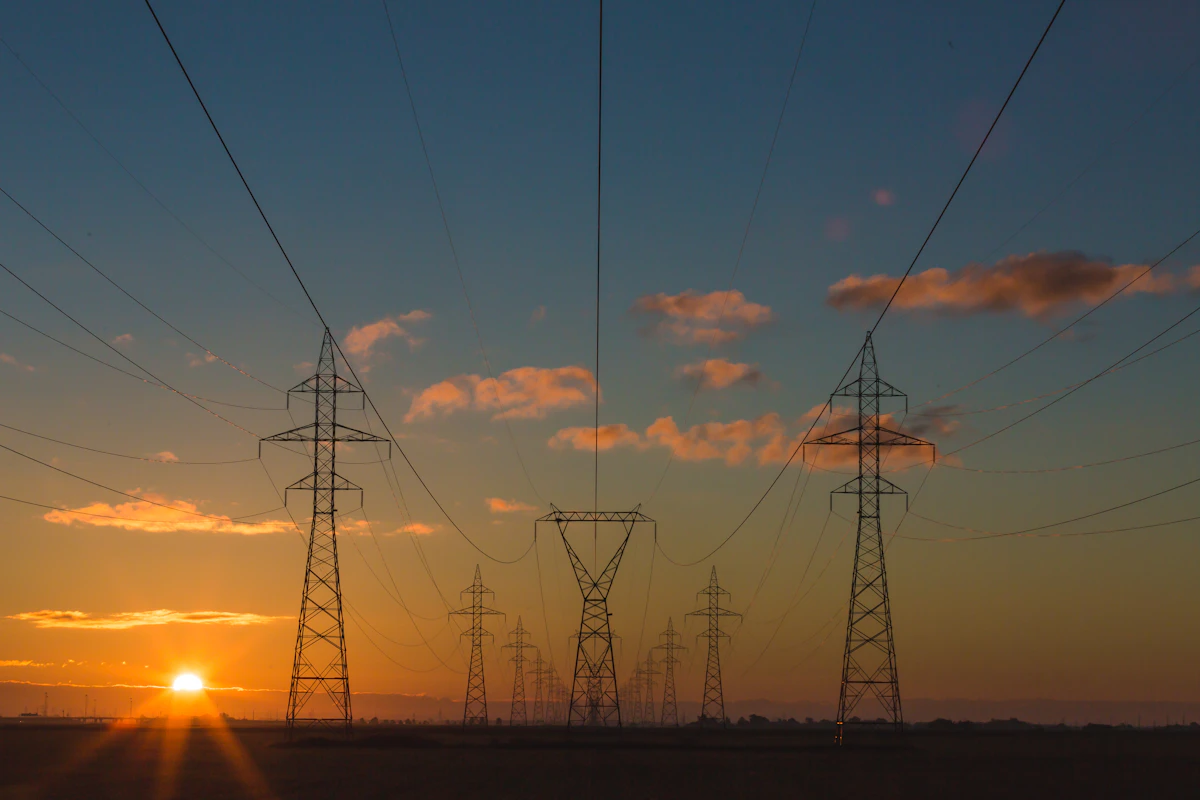
Image Source: Unsplash - The modern solar installation is a key part of a holistic home energy system.
Key Factors Influencing Your Solar Investment
Several variables directly answer "how much" for your specific situation:
- System Size & Energy Usage: Your historical electricity consumption (in kWh) dictates the size of the system you need. A bigger system has a higher upfront cost but generates more savings.
- Location & Sunlight: Solar insolation—how much sun your roof gets—is crucial. A home in Southern Spain will generate more energy than one in Northern Germany, affecting the system's payback period.
- Equipment Quality: Not all panels and inverters are equal. High-efficiency panels and durable components may cost more upfront but yield better performance and longevity.
- Installation & Labor: This includes design, permits, and the installer's expertise. Reputable, certified installers are worth the investment.
- Government Incentives: This is a major factor. The U.S. federal Investment Tax Credit (ITC) and various European subsidies (like Germany's EEG or Italy's Superbonus) can reduce net cost by 30% or more.
The Storage Game-Changer: Why Battery Cost Matters
This is where the conversation gets exciting. A solar-only system exports excess power to the grid, often at a low feed-in tariff. But what if you could store that cheap, clean energy for use when the sun isn't shining and grid prices are high? Adding a battery storage system transforms your solar array into a personal power plant.
The added cost for a residential battery system can range from $7,000 to $15,000. However, when integrated intelligently, it delivers immense value:
- Maximized Self-Consumption: Use more of your own solar energy, sometimes increasing self-sufficiency to 70-80%.
- Peak Shaving: Avoid drawing expensive power from the grid during peak evening hours.
- Backup Power: Provide critical electricity during grid outages—a growing concern.
The question is no longer just "how much do solar panels cost?" but "how much does a resilient, intelligent solar-plus-storage system cost, and what is its long-term value?"
Case Study: A German Bakery's Recipe for Savings
Let's look at real data. A family-owned bakery in Bavaria, Germany, faced high and volatile energy costs, with intensive cooling and baking operations running day and night. Their solar-only system covered only daytime needs, leaving them exposed to high evening grid prices.
In 2022, they installed a supplemental Highjoule H2 Series Commercial Battery System (120 kWh capacity) alongside their existing solar. The results after one year:
| Metric | Before Storage | After Storage |
|---|---|---|
| Grid Energy Consumption | 65% of total need | 28% of total need |
| Energy Self-Sufficiency | 35% | 72% |
| Annual Electricity Bill | €18,500 | €6,200 |
The system paid for itself in under 5 years, thanks to Germany's energy pricing structure and the intelligent software that optimizes charging and discharging based on real-time prices and usage patterns. This case shows that the savings, not just the cost, define the investment.

Image Source: Unsplash - Commercial operations like bakeries have unique, high-demand energy profiles.
The Highjoule Solution: Intelligent, Integrated Energy
As a global leader in advanced energy storage since 2005, Highjoule addresses the core of the modern cost question. We don't just sell batteries; we provide intelligent, integrated systems that maximize the financial return of your solar investment.
Our Residential H-Series and Commercial H2-Series battery systems are built with proprietary, long-life lithium iron phosphate (LFP) cells for safety and durability. What truly sets them apart is the Highjoule Energy Operating System (EOS). This AI-driven platform doesn't just store energy; it learns your consumption habits, forecasts weather and local energy prices, and automatically dispatches stored energy to save you the most money. It turns your storage system into an active financial asset.
For businesses and microgrids, our services include detailed feasibility studies and energy modeling to precisely forecast the answer to "how much will this system cost and save?" before any installation begins. We ensure the economics are clear and compelling.
The Highjoule Advantage:
- Adaptive Control: EOS software optimizes for self-consumption, time-of-use rates, or backup priority.
- Scalable Design: Systems can be expanded over time as your needs grow.
- Global Support: With a strong presence in Europe and North America, we provide local service and expertise.
The Future Outlook: Costs vs. Value
While hardware costs for solar and storage are expected to continue a gradual decline, the largest gains are coming from smarter integration and software. The future cost-benefit analysis will be dominated by how well a system can interact with the grid (providing grid services), participate in virtual power plants, and adapt to dynamic electricity markets.
Furthermore, the rising cost of grid electricity—driven by geopolitical factors and infrastructure demands—makes the fixed, predictable cost of a solar-plus-storage system an increasingly attractive hedge. A report from Lazard consistently shows that the LCOE for utility-scale solar and wind is now often lower than the marginal cost of conventional generation.
So, when you ask "how much does solar energy cost?" what you are really asking is, "What is the price of my energy independence, my resilience against blackouts, and my contribution to a sustainable future?" The upfront investment is one part of the equation. The decades of clean, low-cost, reliable power and peace of mind are the answer.
What specific energy challenge in your home or business would you most want a solar and storage system to solve?
 Inquiry
 Online Chat