


The Industrial Power Distribution Board: Your Facility's Beating Heart in the Age of Renewables
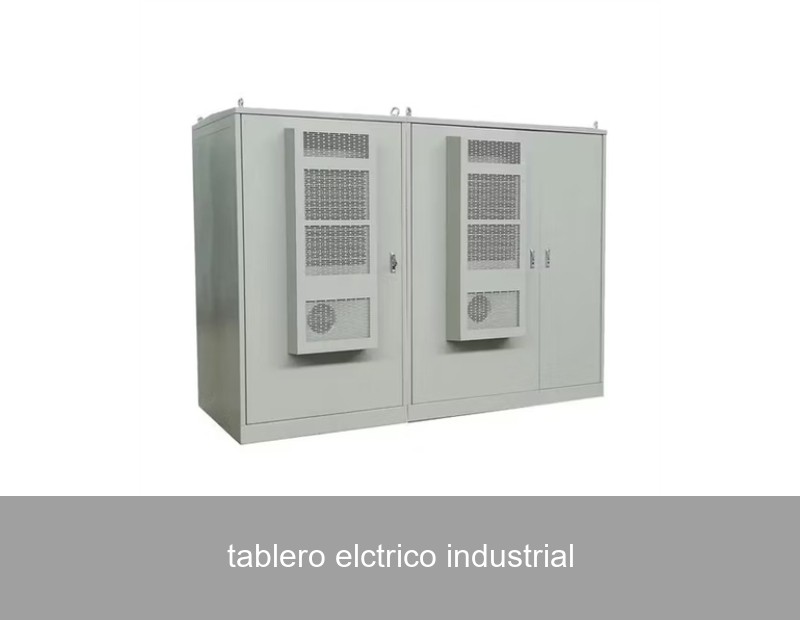
For decades, the industrial power distribution board (or panelboard) has been the unsung hero of manufacturing plants, data centers, and large commercial facilities. Think of it as the central nervous system for your facility's electricity. It receives high-voltage power, safely divides it into smaller circuits, and sends it to every machine, light, and control system. Its primary job has always been clear: distribute and protect. But what happens when the very nature of the power flowing into that board begins to change? When it's no longer just a one-way street from the grid, but a dynamic, two-way exchange involving solar panels, battery storage, and sophisticated energy management software? This is where the traditional tablero eléctrico industrial evolves from a passive component into the intelligent command center for modern, sustainable operations.
Modern Challenges: Beyond Basic Power Distribution
The classic industrial electrical panel was designed for a simpler era. Power came reliably (we hoped) from the utility, and the board's job was to send it where needed and trip a breaker if something went wrong. Today, industrial energy managers face a triple challenge:
- Energy Volatility: Grid instability, extreme weather events, and fluctuating energy prices make predictable operations and budgeting difficult.
- Sustainability Mandates: Corporate ESG goals and regulatory pressures demand a reduction in carbon footprint and increased use of renewable energy.
- Cost Pressures: Rising electricity costs directly impact the bottom line, making efficiency not just an ideal but a financial imperative.
Simply put, a traditional distribution board isn't equipped to handle these modern complexities. It can't "see" the real-time cost of energy, it can't automatically switch to a backup battery when prices spike, and it can't seamlessly integrate the variable output of your onsite solar array. This gap between old infrastructure and new energy realities creates risk and missed opportunity.

Image Source: Unsplash - Representative image of advanced industrial energy monitoring.
The Data: The True Cost of Unreliable Power
Let's talk numbers. According to a report by the U.S. Department of Energy, power outages and grid disturbances cost U.S. industrial facilities an estimated $150 billion annually in lost productivity, spoiled materials, and equipment damage. A separate study by the European Commission highlights that even minor voltage sags, which a basic breaker might not catch, can cause sensitive automated manufacturing lines to halt, resulting in average losses of tens of thousands of euros per event.
Furthermore, the integration of intermittent renewables without intelligent control can create new problems. For example, if your facility's solar panels suddenly reduce output due to cloud cover, a traditional system would simply draw more from the grid, potentially during peak tariff periods. An intelligent system, however, would detect the drop and seamlessly dispatch stored energy from a battery system to cover the gap, avoiding costly demand charges. This level of coordination requires your power distribution board to be part of a larger, smarter ecosystem.
The Core Components of a Modern Power Ecosystem
| Component | Traditional Role | Modern, Intelligent Role |
|---|---|---|
| Power Distribution Board | Passive distribution & circuit protection. | Active node in a network; equipped with smart breakers & sensors for real-time data. |
| Energy Source | Grid power only. | Hybrid: Grid + Onsite Solar/Wind + Battery Storage. |
| Control System | Manual or basic automation. | AI-driven Energy Management System (EMS) that makes autonomous decisions. |
Case Study: From Reactive to Proactive Power Management
Consider the real-world example of a medium-sized automotive parts manufacturer in Baden-Württemberg, Germany. Facing steep “Strompreis” (electricity prices) and ambitious carbon neutrality goals, they approached Highjoule with a challenge: make their existing infrastructure smarter and integrate a new 500 kW rooftop solar array.
The Problem: Their existing tablero eléctrico industrial was a robust but "dumb" system. They couldn't use solar energy optimally, often exporting excess at low feed-in tariffs while still buying expensive grid power. They also feared production disruptions from grid instability.
The Highjoule Solution: Our team didn't rip and replace the entire board. Instead, we integrated our HJ-Sentinel Smart Distribution Module into key sections of the existing panel. This module added real-time monitoring, advanced metering, and grid-forming capabilities at the circuit level. It was then connected to a 1 MWh Highjoule CubeStack BESS (Battery Energy Storage System) and governed by our AdaptiveOS energy management platform.
The Data-Driven Outcome: Within the first year:
- Energy Cost Reduction: 34% decrease in grid electricity purchases by using solar for self-consumption and battery-stored energy during peak hours.
- Reliability: The system provided seamless backup for critical loads during two grid disturbances, preventing an estimated €280,000 in production line downtime.
- Sustainability: Increased renewable self-consumption from 55% to over 90%, significantly advancing their decarbonization roadmap.
The facility's power distribution board transformed from a passive distributor into the dynamic hub of a resilient, efficient microgrid.
The Future: Intelligent, Integrated Systems
The trajectory is clear. The future industrial power distribution board will be defined by three key attributes:
- Digital Native: Embedded IoT sensors will provide granular data on energy flow, power quality, and equipment health, enabling predictive maintenance.
- Grid Interactive: It will communicate bi-directionally with the public grid, providing services like frequency regulation or demand response, creating a new revenue stream for facilities.
- Renewables-Optimized: Designed from the ground up to manage the variable, bi-directional flow of DC from solar and AC from batteries and the grid, with built-in inverters and converters.
This isn't just about hardware; it's about the intelligence that binds it all together. The real value is unlocked when your distribution board, your solar PV, and your battery storage are orchestrated by a single, intelligent software platform that understands your operational priorities and energy costs in real-time.

Image Source: Unsplash - Industrial rooftop solar installation.
Highjoule: Your Partner in Intelligent Power Distribution
At Highjoule, we understand that upgrading your facility's core electrical infrastructure is a significant decision. That's why we don't just sell components; we deliver integrated, future-proof power ecosystems. Our approach centers on making your existing industrial electrical panel smarter and more capable, often through strategic upgrades rather than total replacement.
Our Industrial Energy Resilience Suite includes:
- HJ-Sentinel Smart Distribution Panels: Next-generation boards with integrated monitoring, communication, and control capabilities, ready for hybrid AC/DC systems.
- CubeStack BESS: Modular, containerized battery storage systems with industry-leading safety and longevity, designed for seamless grid interaction.
- AdaptiveOS Software Platform: The brain of the operation. This AI-driven platform analyzes data from every source, forecasts energy needs, and autonomously optimizes for cost, carbon, and reliability based on your predefined goals.
We partner with you from audit and design through installation and lifetime support, ensuring your transition to an intelligent power system is smooth and delivers a clear return on investment. For a deeper dive into grid-interactive efficient buildings, the U.S. Department of Energy's resources are an excellent authoritative source.
Why This Integration Matters
Imagine a scenario where a grid price spike is forecasted for 2 PM. Your Highjoule AdaptiveOS sees this, checks your solar production (which is high), and notes your battery is at 80%. It then pre-cools your facility using solar power before 2 PM, reduces non-essential loads during the peak, and uses battery power to cover the rest—all without human intervention. Your power distribution board is the critical enabler, executing these seamless source transitions safely and reliably.
Next Steps for Your Facility
The evolution from a traditional tablero eléctrico industrial to an intelligent energy command center is no longer a futuristic concept—it's a practical pathway to resilience, savings, and sustainability. The question for today's industrial energy manager is not if this transition will happen, but when and how.
What single piece of data from your current power distribution system—be it peak demand cost, a reliability incident, or your renewable self-consumption rate—would most motivate your team to explore an intelligent upgrade?
 Inquiry
 Online Chat