


Finding the Cheapest Solar Panels: A Smart Buyer's Guide to True Value
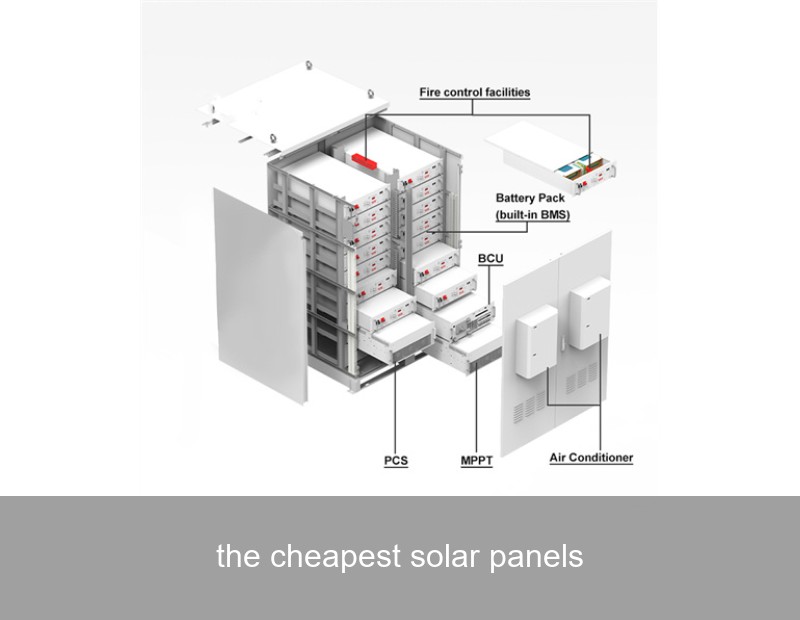
When you start your solar journey, the search for "the cheapest solar panels" is often the first step. It's a natural instinct—we all want to save money upfront. But here’s a reality check from the world of renewable energy: the panel with the lowest price tag is rarely the cheapest solution in the long run. True value lies not just in the cost per watt of the panel itself, but in the decades of reliable, efficient power it produces as part of a complete, well-engineered system. Let's unpack what "cheap" really means for your solar investment, especially for homeowners and businesses in Europe and the US.
Table of Contents
The Price Trap: When "Cheap" Panels Cost You More
The global solar market is vast, with panel prices varying widely based on manufacturing origin, technology, and quality controls. While you might find incredibly low-cost options, they often come with hidden compromises:
- Lower Efficiency: Cheap panels often convert less sunlight into electricity. This means you need more roof space to generate the same power, potentially increasing installation and structural costs.
- Faster Degradation: Quality panels lose about 0.5% of their output per year. Inferior panels can degrade at 1% or more annually. Over 25 years, that difference can represent a massive amount of lost energy and revenue.
- Weak Warranties: A robust 25- to 30-year performance warranty is a sign of manufacturer confidence. Budget panels may offer shorter or less comprehensive coverage, leaving you vulnerable.
In essence, focusing solely on the upfront cost can lead to a higher levelized cost of energy (LCOE)—the real metric that matters for your pocket.
The True Cost of Solar: It's a System, Not Just Panels
Think of your solar installation as a symphony. The panels are the violins—important, but their performance depends entirely on the conductor and the rest of the orchestra. The true cost and value are systemic.
| System Component | Impact on "Cheap" vs. "Value" |
|---|---|
| Inverters | A cheap inverter can fail years earlier than a quality one, leading to high replacement costs and system downtime. |
| Mounting & Racking | Low-grade hardware can compromise roof integrity and fail in extreme weather, a critical consideration in storm-prone areas of the US or snowy European winters. |
| Design & Installation | Poor design (shading issues, wrong orientation) can cripple even the best panels. Expert installation is non-negotiable for safety and performance. |
| Energy Management | Without smart monitoring and storage, excess solar energy is wasted or sold back to the grid at low rates, diminishing your savings. |
This is where the conversation shifts from finding the cheapest solar panels to investing in the most cost-effective energy ecosystem. Maximizing your return requires intelligent integration of generation, storage, and control.

A professional installation ensures safety, performance, and longevity—key factors in the true cost of your system.
Case Study: The German Factory's "Bargain" Lesson
A mid-sized manufacturing plant in Bavaria, Germany, made a decision in 2018 based on upfront cost. They installed a 500 kW solar array using the lowest-priced tier-2 panels available. The initial savings were significant.
However, by 2023, data told a different story:
- Performance Lag: The system's actual output was 12% below initial projections, due to higher-than-expected degradation and minor micro-cracks.
- Inverter Issues: Two central inverters failed, causing weeks of lost production during critical energy price peaks.
- Financial Impact: When factoring in lost production, lower feed-in-tariff income, and repair costs, their LCOE was 18% higher than a neighboring factory that invested in a premium, integrated system.
The factory manager noted, "We bought the cheapest panels, but we did not buy the cheapest energy. Our mistake was not valuing system intelligence." In 2024, they are retrofitting with a smarter solution that includes storage to capture their full solar potential.
The Highjoule Approach: Intelligent Systems for Maximum ROI
At Highjoule, with nearly two decades of experience, we understand that sustainable savings come from holistic design. We don't just sell panels; we provide intelligent, integrated power solutions that make every kilowatt-hour count.
For our residential and commercial clients across Europe and North America, this means:
- Optimized Component Selection: We source high-quality, durable panels from trusted manufacturers, but our primary focus is on their performance within your specific system. We pair them with our proprietary Highjoule Energy Hub—a smart inverter and controller that acts as the brain of the installation.
- Seamless Storage Integration: The real game-changer. Our Highjoule CellMatrix™ battery systems store excess solar energy for use at night or during grid outages. This dramatically increases self-consumption, shielding you from volatile utility rates. It turns your solar array from a partial solution into a personal power plant.
- AI-Powered Energy Management: Our platform learns your consumption patterns and can automatically optimize when to use solar power, when to store it, and when to draw from the grid, maximizing financial returns. For more on how smart tech is reshaping energy, see this U.S. Department of Energy overview.
By controlling and optimizing the entire ecosystem, we ensure that your initial investment delivers the lowest possible cost of energy for 25+ years.

Integrated battery storage, like Highjoule's CellMatrix™, is key to unlocking the full value of solar generation.
How to Future-Proof Your Investment
So, how do you make a savvy decision? Shift your questions from price to performance and partnership.
Questions to Ask Your Solar Provider:
- What is the projected Levelized Cost of Energy (LCOE) for my system over 20 years, not just the upfront price?
- How does the system design optimize for my specific consumption patterns and local weather? (Check your local potential with tools like the EU's PVGIS calculator).
- Is the system storage-ready, and how would adding a battery like the Highjoule CellMatrix™ improve my energy independence and payback?
- Can you show me monitored performance data from similar installations you've done in my region?
The Storage Imperative
With electricity prices experiencing volatility on both sides of the Atlantic, the ability to store and use your own solar power is transforming from a luxury to a core component of financial logic. A system designed with storage in mind from day one is more efficient and cost-effective than a retrofit years later.
The journey to solar is an exciting step toward energy independence and sustainability. But the path to genuine savings is paved with smart technology and integrated thinking, not just low sticker prices. What will your first question be when evaluating a solar proposal: "What's the total cost?" or "What's the long-term value of the energy you'll provide?"
 Inquiry
 Online Chat