


The Smart Storage System: Your Key to Unlocking Energy Independence and Savings
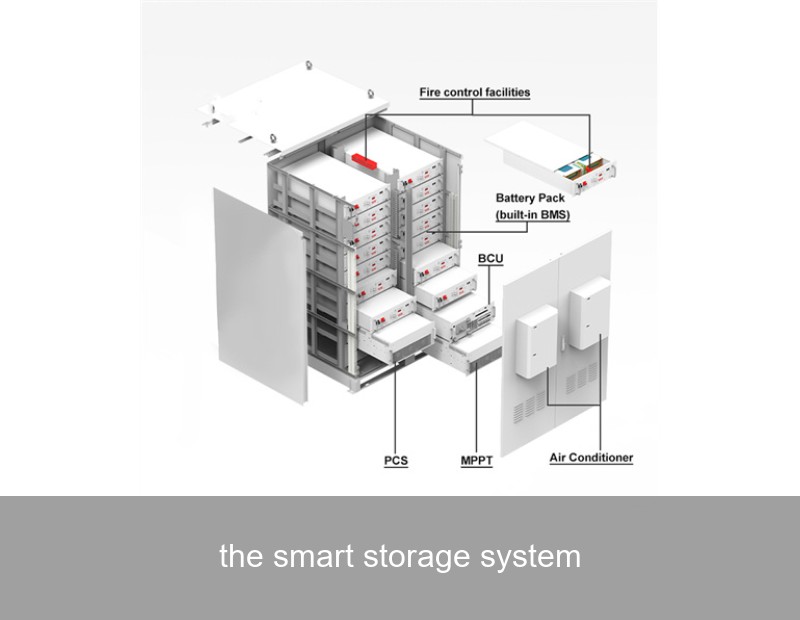
Have you ever looked at your electricity bill on a sunny, windy day and wondered, "With all this free energy around, why am I still paying so much?" You're not alone. Across Europe and the US, homeowners and businesses are hitting a wall with renewable energy. The problem isn't generating power; it's the smart storage system that holds it for when you actually need it. This isn't just about having a battery; it's about having an intelligent energy brain that makes decisions, saves money, and strengthens the grid for everyone. Let's explore how this technology is transforming our relationship with power.
Table of Contents
The Problem: Wasted Sun and Unstable Grids
The renewable revolution has a dirty little secret: curtailment. This is the process where grid operators deliberately switch off wind turbines or solar panels because the grid can't handle the excess power. In 2023 alone, California curtailed over 2.4 million megawatt-hours of solar and wind energy – enough to power 350,000 homes for a month. This isn't just a Californian issue; similar scenes play out in Texas, Germany, and Spain.
The core issue is the fundamental mismatch between when renewable energy is produced (sunny afternoons, windy nights) and when we consume it (dark evenings, calm mornings). Traditional grids were built for one-way, predictable power flow from large plants. Our new, dynamic reality demands a two-way, intelligent network. Without a smart storage system to capture that surplus green energy, we are literally throwing money and carbon savings away.
The Solution: More Than Just a Battery
Enter the true game-changer: the smart storage system. Think of it as the difference between a bucket and a sophisticated water management plant for your home. A bucket (a simple battery) just holds water. The management plant (a smart system) knows when to collect rainwater, when to use stored water to avoid peak tariffs, when to release excess to the community, and how to ensure pressure is always perfect.
A smart storage system integrates three critical components:
- Hardware: High-performance battery cells (like Lithium Iron Phosphate for safety and longevity), a hybrid inverter, and thermal management systems.
- Software: The true "brain." It uses AI and machine learning to forecast energy production (from your solar panels) and consumption (your household habits).
- Grid Connectivity: Secure, two-way communication with the utility grid, enabling services like frequency regulation and virtual power plants.

This intelligence allows the system to perform complex, money-saving tasks automatically: storing solar energy for use at night, avoiding drawing power during expensive peak hours, and even selling excess energy back to the grid at the most profitable times.
How a Smart Storage System Actually Works: A Day in the Life
Let's break down a typical day for a household with a smart storage system.
| Time | Solar Production | Household Demand | Smart System Action | Result |
|---|---|---|---|---|
| 6:00 AM | Low | High (Morning routine) | Discharges stored energy from battery | Zero grid import, avoids morning peak rate. |
| 12:00 PM | Very High | Low (Home empty) | Charges battery to full, directs excess to grid. | Battery full, earns feed-in tariff. |
| 6:00 PM | Low | Very High (Evening peak) | Discharges battery, avoids drawing from grid. | Saves significantly on expensive peak electricity. |
| 10:00 PM | None | Low | May draw a small amount of cheap off-peak grid power to top up battery for next day. | Ensures resilience at lowest cost. |
This automated orchestration is what delivers a rapid return on investment, often slashing electricity bills by 70% or more while providing backup power during outages.
A Real-World Case Study: The Bavarian Business Park
Let's move from theory to hard data. A medium-sized business park in Bavaria, Germany, faced rising energy costs and wanted to achieve carbon neutrality goals. They had a 500 kW rooftop solar array but were still importing 60% of their power, especially during expensive morning and evening hours.
In 2022, they installed a centralized smart storage system featuring a 750 kWh battery capacity. The system was integrated with their solar inverters and building management software. The results after one year were compelling:
- Self-Consumption of Solar Power Increased: From 35% to 89%.
- Grid Energy Costs Reduced: By €72,000 annually.
- Peak Demand Charges Reduced: By 40%, saving an additional €15,000 per year.
- ROI Timeline: Projected to be under 5 years, factoring in German subsidy programs.
Furthermore, by enrolling in the local utility's virtual power plant program, the business park earns quarterly payments for allowing the utility to use its battery (in small, non-disruptive increments) to help stabilize the regional grid frequency. This turns a cost center into a revenue stream.
Highjoule's Intelligent Approach to Smart Storage
At Highjoule, we've been engineering solutions for this exact energy dilemma since 2005. We understand that a one-size-fits-all approach doesn't work for a smart storage system. Our flagship product, the Highjoule Harmony Series, is designed for this intelligent era.
The Harmony Series isn't just a collection of components; it's a seamlessly integrated ecosystem. Its core is the Adaptive Energy Operating System (AEOS), which continuously learns your energy patterns and optimizes for your specific goals—whether that's maximum bill savings, 100% green self-consumption, or grid service participation.
For our commercial and industrial clients, like the Bavarian business park, we offer the Highjoule Matrix Platform. This scalable, containerized solution can manage multiple megawatt-hours of storage, integrate with existing renewable assets, and provide critical backup power for operations. Our services extend from initial consultancy and system design to long-term performance monitoring and maintenance, ensuring your investment delivers for its entire 15+ year lifespan.

The Future is a Collaborative Grid
The ultimate potential of the smart storage system is realized when millions of them work together. Imagine a network where your home battery, your neighbor's EV, and a local school's storage system form a "virtual power plant." During a heatwave when the grid is strained, this collective can provide gigawatts of power, preventing blackouts and eliminating the need for polluting "peaker" plants. This vision is already being piloted in places like Vermont and parts of the UK.
This transforms every prosumer (producer + consumer) into a vital stakeholder in grid stability. It democratizes energy and accelerates the transition to a resilient, low-carbon future.
Ready to Take Control of Your Energy Flow?
The technology is here, the economics are compelling, and the environmental imperative is clear. The smart storage system is no longer a futuristic concept; it's the logical next step for anyone with solar panels, or for anyone tired of volatile energy prices. It puts you in the driver's seat.
What would you do with an extra 70% on your annual energy budget? Or, more importantly, what value do you place on having reliable, clean power for your home or business, independent of the whims of the external grid?
 Inquiry
 Online Chat