


Top 10 Solar Inverters: Powering Your Energy Independence in 2024
So, you're going solar. Fantastic choice! You've likely researched panels and estimated your energy savings. But here's a pro tip: the heart of your solar power system isn't just the panels on your roof—it's the solar inverter. This unsung hero is the brain that converts the sun's DC power into usable AC electricity for your home or business. Choosing the right one from the myriad of options is crucial for efficiency, reliability, and long-term savings. This guide will walk you through the key considerations and present a curated look at the landscape of top-tier solar inverters, helping you make an informed decision for your renewable energy journey.
Table of Contents
- What is a Solar Inverter and Why Does It Matter?
- Key Criteria for Choosing a Top Solar Inverter
- The Three Main Types of Solar Inverters
- Navigating the Top 10 Solar Inverter Landscape
- Real-World Impact: A German Commercial Case Study
- Beyond Conversion: The Future is Integrated Storage
- Making Your Final Choice
What is a Solar Inverter and Why Does It Matter?
Think of your solar panels as a prolific apple tree, producing a bounty of fruit (DC electricity). An apple straight from the tree isn't in a form most kitchens can use. You need a kitchen appliance—a juicer or peeler—to transform it. The solar inverter is that essential appliance. It takes the raw, direct current (DC) and converts it into the alternating current (AC) that powers every device in your home. Its efficiency determines how much of your harvested solar "fruit" you actually get to enjoy. A drop from 98% to 95% efficiency might seem small, but over 25 years, it can represent a significant amount of lost energy and revenue.
Key Criteria for Choosing a Top Solar Inverter
When evaluating the top contenders, don't just look at the brand name. Scrutinize these technical and practical aspects:
- Efficiency: The percentage of DC power converted to AC. Look for peak and weighted efficiencies (like European or CEC efficiency). Top models now exceed 99%.
- Reliability & Warranty: A longer warranty (10-12+ years is standard, with extendable options) often reflects confidence in build quality. Look for robust design suitable for your local climate.
- Monitoring & Smart Features: Advanced inverters offer detailed, real-time monitoring via apps, allowing you to track production, consumption, and system health.
- Grid Services & Compliance: In markets like Europe and the U.S., inverters must support grid stability functions like frequency-watt response, voltage regulation, and ride-through capabilities. Ensure your model complies with local grid codes (e.g., VDE-AR-N 4105 in Germany, UL 1741 SA in the U.S.).
- Service & Support: Global brands typically offer better local service networks, which is vital for troubleshooting and warranty claims.
The Three Main Types of Solar Inverters
Your choice here fundamentally shapes your system's performance, especially in suboptimal conditions.
| Type | How It Works | Best For | Consideration |
|---|---|---|---|
| String Inverters | Multiple panels connected in series ("a string") to a single inverter. | Simple, unshaded roofs with uniform panel orientation; most cost-effective. | Shading on one panel can reduce the output of the entire string. |
| Microinverters | A small inverter attached to each individual solar panel. | Complex roofs with shading, multiple angles; maximizes each panel's output. | Higher initial cost, but often leads to greater lifetime energy harvest. |
| Power Optimizer Systems (DC-DC) | An optimizer per panel conditions DC power, sent to a central string inverter. | A balance between string and micro benefits; excellent module-level monitoring and safety. | Adds complexity but offers panel-level optimization without as many electronic units on the roof. |

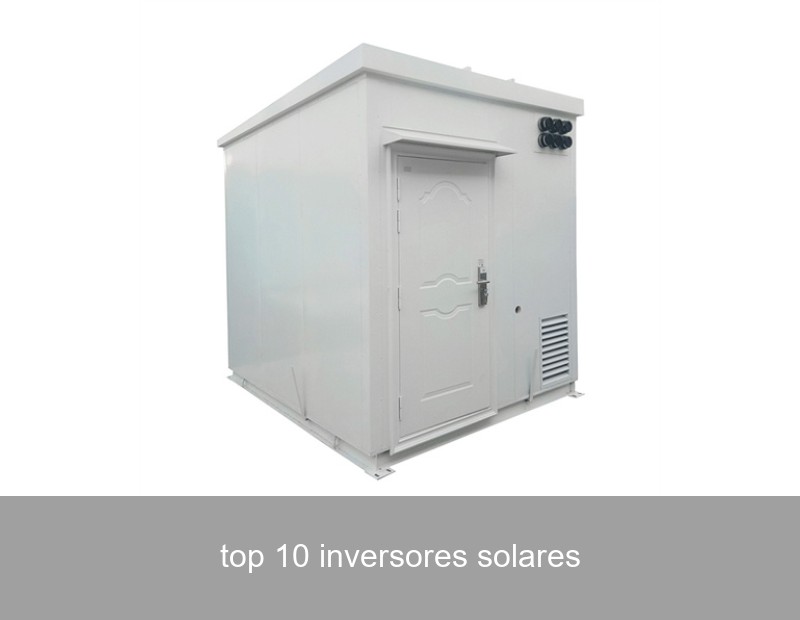
Image source: Unsplash. A modern grid-tie inverter, the central command for many solar systems.
Navigating the Top 10 Solar Inverter Landscape
While we won't give a rigid, numbered list (as the "best" depends entirely on your project), the global market for top-tier solar inverters is led by several established and innovative players. When you hear installers discuss the "top 10," they are often referring to brands renowned for their technology, global reach, and proven track record. These typically include European engineering powerhouses like SMA, Fronius, and Kostal (for high-quality string and hybrid solutions), and leading global manufacturers like Huawei, Sungrow, and Growatt, known for their advanced technology and competitive offerings. From the US, Enphase dominates the microinverter segment with its integrated system approach.
However, the true mark of a leading solution in today's market isn't just a standalone inverter. It's the ability to form the core of a comprehensive, intelligent energy ecosystem. This is where companies like Highjoule redefine the standard. Since 2005, Highjoule has evolved from a specialist provider into a global leader in advanced Battery Energy Storage Systems (BESS). Our expertise lies in seamlessly integrating with the best-in-class solar inverters you're considering. We don't just add a battery; we provide the intelligent Hybrid Inverter and energy management system (EMS) that unifies solar production, battery storage, grid interaction, and consumption. Think of Highjoule's platform as the conductor of your personal energy orchestra, ensuring every kilowatt-hour is generated, stored, and used with maximum efficiency and economic sense.
Real-World Impact: A German Commercial Case Study
Let's move beyond specs to real performance. Consider a mid-sized automotive parts manufacturer in Baden-Württemberg, Germany. They installed a 250 kWp rooftop solar system in 2020 using high-efficiency string inverters. The data showed a significant challenge: self-consumption was only at 35%. Most of the solar energy was being fed into the grid during the day when the factory was at peak production, only to buy back expensive electricity in the evening during lower solar output.
In 2022, they partnered with Highjoule to address this. We integrated a 500 kWh Highjoule CubeStack BESS with the existing solar array through our advanced hybrid control system. The results after one year were transformative:
- Self-Consumption Rate: Increased from 35% to over 80%.
- Grid Energy Cost Reduction: Slashed by 68% annually.
- ROI Period: The combined solar + storage system is projected to pay for itself in under 7 years, thanks to optimized arbitrage and reduced demand charges.
This case, documented in a whitepaper by the Fraunhofer Institute for Solar Energy Systems ISE, underscores a critical point: the ultimate value of your solar investment is unlocked not just by the inverter's conversion efficiency, but by the system intelligence that manages the entire energy flow. Highjoule's technology provides exactly that.
Beyond Conversion: The Future is Integrated Storage
The conversation around "top solar inverters" is rapidly shifting towards "top solar-plus-storage systems." As feed-in tariffs decline and energy prices fluctuate, the goal is no longer just to generate power, but to control it. A modern hybrid inverter or a dedicated storage controller must be capable of:
- Intelligent Load Management: Automatically directing solar power to priority loads, the battery, or the grid based on cost and need.
- Grid Interaction: Participating in demand response programs or providing backup power during outages (where grid codes allow).
- Future-Proofing: Being software-upgradable to adapt to new market rules and tariffs.
Highjoule's H-Energy OS platform is designed as this central nervous system. It turns a collection of components (panels, inverters, batteries) into a resilient, money-saving, and sustainable energy asset for homes, businesses, and microgrids.
Image source: Unsplash. The modern energy-independent home: solar panels, storage, and electric vehicle integration.
Making Your Final Choice
Selecting your solar inverter is a significant decision. Start by asking your installer not just "which brand," but deeper questions: How will this system maximize my specific self-consumption? How is it prepared for me to add a battery in 2 or 3 years? What intelligence does it have to protect my investment against changing energy markets?
The most forward-thinking approach is to plan your solar and storage system as one cohesive project from the outset. This ensures optimal compatibility and performance. When you consult with your energy partner, ask them how Highjoule's intelligent storage solutions can be integrated with your chosen solar technology to create a truly future-proof energy system.
What energy independence goal is driving your solar project—is it total resilience during power outages, maximizing financial return, or reducing your carbon footprint as fully as possible?
 Inquiry
 Online Chat