


Top Battery Cell Suppliers: Powering the Global Energy Transition
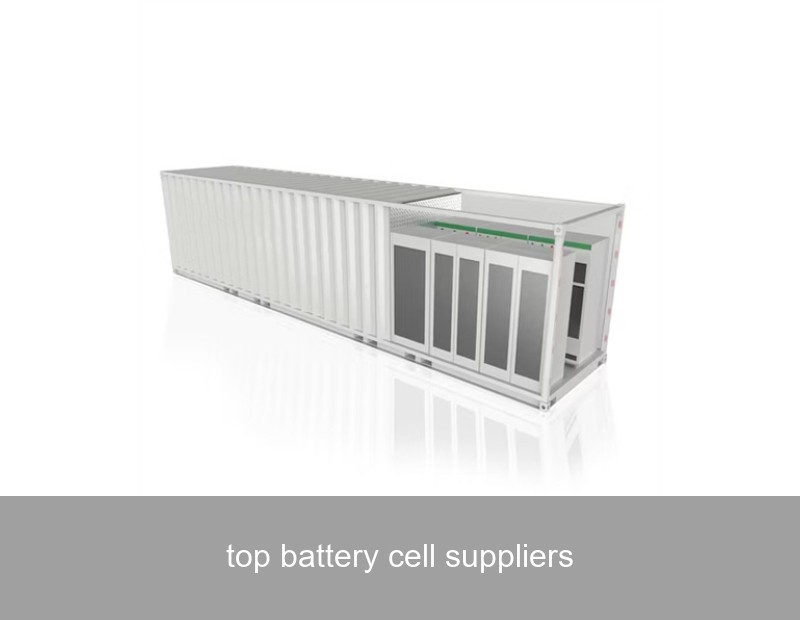
Have you ever wondered what's at the very heart of the electric vehicle you drive or the home battery system that powers your evenings? The answer lies in the battery cell—the fundamental building block of modern energy storage. As the world shifts decisively towards renewables, the demand for high-quality, reliable, and innovative battery cells has skyrocketed. This surge has propelled a competitive landscape of top battery cell suppliers who are not just manufacturing components but enabling a cleaner energy future. For system integrators like Highjoule, selecting the right cell supplier is a critical strategic decision that directly impacts the safety, longevity, and performance of the final energy storage solution delivered to homes, businesses, and communities.
Table of Contents
- The Core of the Matter: Why Battery Cells Are Fundamental
- Key Players: The Global Landscape of Top Battery Cell Suppliers
- Beyond the Brand: Critical Criteria for Selecting a Cell Supplier
- From Cell to Grid: A Real-World Case Study in California
- The Highjoule Approach: Integrating Top-Tier Cells into Intelligent Systems
- Future Trends: What's Next for Battery Cell Technology?

Advanced manufacturing is key for top battery cell suppliers.
The Core of the Matter: Why Battery Cells Are Fundamental
Think of a battery cell as a tiny, self-contained power factory. Through electrochemical reactions, it stores electrical energy and releases it on demand. String hundreds or thousands of these cells together with sophisticated management systems, and you have the battery packs that are revolutionizing how we use energy. The quality of the individual cell dictates almost everything about the larger system: its energy density (how much power it can hold), cycle life (how many times it can be charged and discharged), safety profile, and ultimately, its cost-effectiveness. This is why the race among top battery cell suppliers is so intense; they are competing on the core technology that will define the pace of the energy transition.
Key Players: The Global Landscape of Top Battery Cell Suppliers
The market is dominated by a mix of established Asian giants and ambitious newcomers from Europe and North America. The landscape is dynamic, but several names consistently rank as leaders.
| Supplier | Primary Base | Key Technology Focus | Notable Applications |
|---|---|---|---|
| CATL | China | LFP (Lithium Iron Phosphate), CTP (Cell to Pack) | EVs, Utility-Scale Storage |
| LG Energy Solution | South Korea | NCM (Nickel Cobalt Manganese) | EVs, Residential Storage |
| Panasonic | Japan | NCA (Nickel Cobalt Aluminum) | EVs, Industrial |
| SK On | South Korea | High-Nickel NCM | EVs |
| BYD | China | LFP, Blade Battery | EVs, Energy Storage |
| Northvolt | Sweden | Green Lithium-ion | EVs, Sustainable Storage |
While this table highlights global leaders, the choice for system integrators isn't about picking the biggest name. It's about matching the cell's chemistry and performance characteristics to the specific application. For instance, Lithium Iron Phosphate (LFP) cells, championed by suppliers like CATL and BYD, offer longer cycle life and enhanced safety, making them increasingly popular for stationary energy storage systems, a core market for Highjoule.
Beyond the Brand: Critical Criteria for Selecting a Cell Supplier
Choosing from among the top battery cell suppliers requires a deep dive into more than just datasheets. Here are the non-negotiable factors we evaluate at Highjoule:
- Quality & Consistency: Manufacturing defects are not an option. We require suppliers to have world-class, automated production lines and rigorous quality control, ensuring every cell batch meets exact specifications.
- Safety Data & Certification: Comprehensive safety testing (UL, IEC standards) and transparent failure rate data are paramount. The cell's thermal runaway characteristics dictate our system's safety design.
- Technical Roadmap: We partner with suppliers who are innovating, not just producing. Their R&D focus on higher energy density, faster charging, and lower cost directly benefits our future products.
- Supply Chain Ethics & Sustainability: Traceability of raw materials (like cobalt and lithium) and a commitment to low-carbon manufacturing are becoming decisive factors, especially for our European and North American clients.
- Commercial Viability: Long-term supply agreements, scalable production, and financial stability ensure we can deliver to our customers for the 10-20 year lifespan of our systems.
From Cell to Grid: A Real-World Case Study in California
The theory comes to life in projects like our collaboration with a mid-sized winery in California's Sonoma Valley. The client faced two challenges: unpredictable grid outages that threatened refrigeration and a desire to reduce their carbon footprint.
The Problem: Protect critical cooling processes and shift energy use to solar with a reliable, safe battery system.
The Highjoule Solution: A 500 kWh commercial energy storage system integrated with their existing solar array.
The Cell Choice: After thorough analysis, we selected high-cycle life LFP cells from a leading global supplier. Why? The winery needed daily cycling (charge from solar, discharge in the evening) for maximum economic return. LFP chemistry offers over 6,000 cycles to 80% capacity, far exceeding the project's 15-year financial model. The superior thermal stability of LFP also provided an extra layer of safety for a facility not staffed 24/7 by technicians.
The Result: The system now provides 98% backup coverage for critical loads and has increased the winery's consumption of its own solar energy from 30% to over 80%. The robust cells are the unsung heroes, performing reliably through daily cycles and ensuring the system meets its performance guarantees. You can explore more about grid resilience needs from the U.S. Department of Energy.

Commercial energy storage, like at this winery, relies on durable battery cells.
The Highjoule Approach: Integrating Top-Tier Cells into Intelligent Systems
At Highjoule, we believe the cell is only the starting point. Our expertise lies in transforming these raw cells into safe, smart, and sustainable energy solutions. We don't just buy cells; we engineer the entire system around their specific characteristics.
Our IntelliBESS platform exemplifies this. For a residential customer in Germany, we might integrate premium NCM cells for their high energy density in a compact home storage unit. For a rugged industrial microgrid in Texas, we would deploy our containerized systems built around ultra-stable LFP chemistry. In every case, our proprietary Battery Management System (BMS) is meticulously calibrated for the chosen cell's voltage curves and thermal behavior, extracting maximum performance and lifespan while guarding against any faults.
Furthermore, our focus on sustainability aligns with the evolving practices of leading cell manufacturers. We actively seek partners who utilize renewable energy in production and participate in responsible recycling programs, creating a truly green energy loop from production to second-life application. The International Energy Agency tracks progress in energy storage globally.
Future Trends: What's Next for Battery Cell Technology?
The innovation race is far from over. The top battery cell suppliers of tomorrow are investing heavily in solid-state batteries, which promise even greater safety and energy density. Sodium-ion chemistry is emerging as a potentially lower-cost, resource-abundant alternative for stationary storage. Silicon-anode technology is on the horizon to significantly boost charge speeds.
For us at Highjoule, this means maintaining agile, chemistry-agnostic system architectures. Our modular design allows us to adopt the best-in-class cell technology as it matures, future-proofing our clients' investments. The question is no longer just "who makes the best cell?" but "which system integrator can best harness these advancements to deliver reliable, affordable power?"
Your Energy Future
Whether you're a homeowner considering solar-plus-storage, a business owner looking to cut costs and ensure resilience, or a community planner designing a microgrid, the quality of the underlying battery cells is a foundational concern. It's a complex landscape, but one where expertise matters. How will the evolving capabilities of battery cell technology shape your organization's energy strategy in the next five years?
 Inquiry
 Online Chat